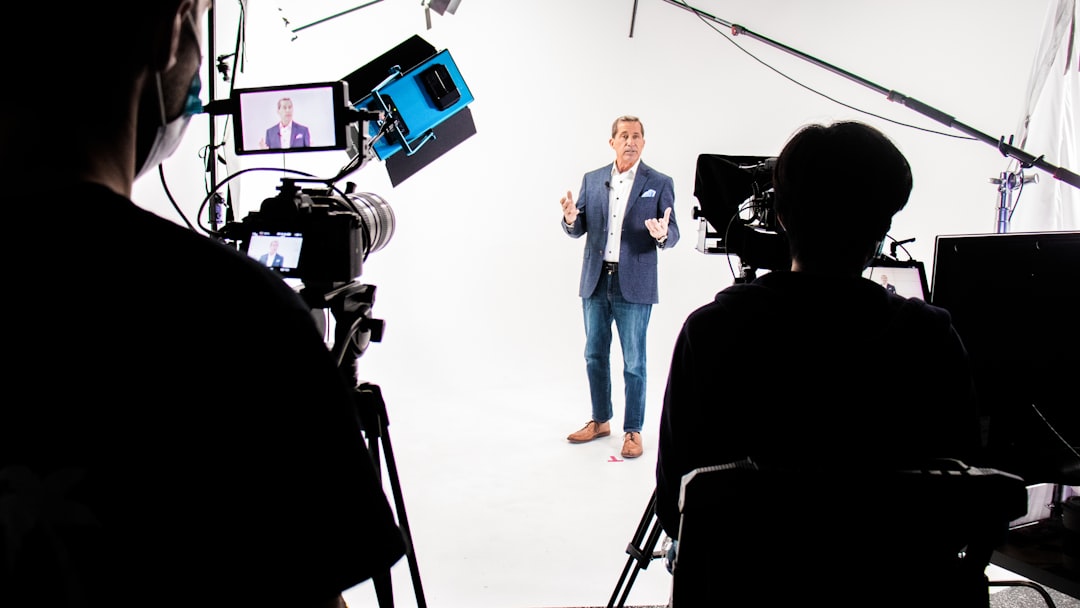
Artificial intelligence has transformed the way organizations create video content, enabling businesses, educators, and creators to produce professional videos without cameras, studios, or on-screen talent. Among the most notable innovations are AI video generation platforms like Synthesia that allow users to create lifelike AI avatars who deliver spoken content in multiple languages. These platforms dramatically reduce production time and cost while increasing accessibility and scalability. As demand for video content grows, AI-driven avatar platforms are becoming an essential communication tool across industries.
TLDR: AI video generation platforms like Synthesia allow users to create professional-quality videos using realistic digital avatars and text-to-speech technology. They eliminate the need for traditional filming, making video production faster, cheaper, and scalable. Businesses use these tools for training, marketing, onboarding, and multilingual communication. While highly efficient, users must also consider ethical implications and authenticity concerns.
What Are AI Video Generation Platforms?
AI video generation platforms are software solutions that use artificial intelligence to transform text scripts into fully produced videos featuring digital presenters. Instead of hiring actors, renting studios, or managing complex editing software, users simply input their script, choose an AI avatar, select voice and language preferences, and render a polished video in minutes.
These platforms rely on a combination of advanced technologies:
- Natural Language Processing (NLP) to understand and structure scripts
- Text-to-Speech (TTS) engines to generate realistic voiceovers
- Computer Vision and Deep Learning to animate facial expressions and lip-sync movements
- Machine Learning models trained on vast datasets of human speech and gestures
The result is a lifelike AI avatar that appears to speak naturally and convincingly.
How Platforms Like Synthesia Work
AI avatar video platforms are designed to simplify video creation into a few streamlined steps:
- Script Input: The user enters or pastes a written script into a dashboard.
- Avatar Selection: The platform provides a library of digital avatars representing diverse appearances, attire, and settings.
- Voice and Language Choice: Users can select from numerous voices and accents and translate scripts into multiple languages.
- Customization: Backgrounds, text overlays, branding elements, and animations can be added.
- Rendering: The AI processes the inputs and generates a complete video.
Many platforms also allow organizations to create custom avatars based on real individuals, enabling brands to maintain a consistent digital spokesperson.
Key Benefits of AI Avatar Video Platforms
1. Cost Efficiency
Traditional video production can require a significant budget — including equipment, talent fees, editing teams, and studio rentals. AI video platforms eliminate many of these expenses. A user can produce multiple videos for a fraction of the cost of a single filmed production.
2. Speed and Scalability
Creating a professional training or marketing video conventionally might take weeks. With AI avatars, the same content can be generated in hours. This allows businesses to scale video production rapidly, especially when producing large libraries of instructional or onboarding material.
3. Multilingual Reach
One of the most transformative features is instant language translation. Instead of re-recording content for each market, users can generate the same video in dozens of languages while maintaining lip synchronization and voice naturalness.
4. Consistency in Messaging
Human presenters may vary in tone and delivery. AI avatars ensure consistent quality and presentation across all videos, which is especially beneficial for compliance training and corporate communications.
5. Accessibility
These platforms empower small businesses and independent creators who may not have access to professional equipment. They democratize access to high-quality video production.
Image not found in postmetaCommon Use Cases
AI avatar video platforms serve a broad range of industries and functions:
- Corporate Training: Employee onboarding, compliance modules, and internal updates
- E-Learning: Educational lessons, course modules, and tutorials
- Marketing and Sales: Product demos, explainer videos, personalized outreach
- Customer Support: FAQ walkthroughs and help center videos
- Healthcare Communication: Patient instructions and informational campaigns
For global enterprises, the ability to create standardized yet localized content has proven particularly valuable.
Customization and Personal Avatars
Some platforms allow users to build personalized AI avatars modeled after real employees or executives. This can be done using filmed footage from multiple angles to train the system to replicate facial expressions, gestures, and voice patterns.
Custom avatars offer:
- Brand recognition
- Greater trust from audiences
- Stronger internal engagement
However, companies must obtain clear consent and maintain ethical guidelines when replicating real individuals digitally.
Ethical Considerations and Challenges
While AI video generation presents tremendous convenience, it also introduces ethical questions. The realism of AI avatars raises concerns about misinformation and impersonation. Responsible platforms enforce strict usage policies to prevent misuse.
Critical concerns include:
- Deepfake misuse
- Lack of transparency
- Data privacy risks
- Loss of human authenticity
Organizations adopting AI video tools should implement clear disclosure practices and ensure ethical usage standards are followed.

Limitations of AI Avatar Platforms
Despite their advantages, AI avatar platforms are not without limitations:
- Facial expressions may still appear slightly artificial in complex emotional contexts.
- Creative storytelling scenes are limited compared to traditional filmmaking.
- Highly customized cinematic production remains outside their core strength.
These tools are best suited for structured communication rather than dramatic, narrative-heavy productions.
The Future of AI Video Avatars
The evolution of generative AI suggests that avatar realism will continue to improve. Innovations in emotional intelligence modeling, gesture realism, and voice inflection are rapidly enhancing authenticity. In the near future, AI avatars may respond interactively in real time, enabling personalized video conversations.
Industries such as customer service, telemedicine, and online education are likely to benefit significantly from this progression. As computational power and machine learning models advance, the boundary between human and AI-generated presenters will blur further.
Additionally, integration with virtual reality and augmented reality environments could expand immersive communication experiences.
Choosing the Right AI Video Platform
When evaluating platforms like Synthesia and similar services, decision-makers typically consider:
- Avatar quality and diversity
- Voice realism and language support
- Customization capabilities
- Security and compliance standards
- Pricing structure
- Ease of use
Businesses should assess their primary objectives — whether for training, marketing, or internal communication — and choose a platform aligned with those needs.
Conclusion
AI video generation platforms like Synthesia represent a significant shift in digital communication. By removing traditional production barriers, they empower organizations to produce scalable, multilingual, and professional content with remarkable efficiency. Although ethical considerations and creative limitations persist, the advantages in speed, cost, and accessibility are undeniable. As the technology matures, AI avatars are poised to become a standard tool in corporate, educational, and marketing environments worldwide.
Frequently Asked Questions (FAQ)
1. What is an AI avatar?
An AI avatar is a digitally generated presenter created using artificial intelligence. It can simulate human speech, facial expressions, and gestures to deliver video content.
2. Do users need video editing skills to use these platforms?
No. Most AI video platforms are designed with user-friendly interfaces that require minimal technical expertise.
3. Are AI-generated videos customizable?
Yes. Users can customize scripts, backgrounds, colors, branding elements, voice styles, and languages.
4. Is it possible to create a custom avatar based on a real person?
Many platforms offer this feature, but it requires consent and proper authorization from the individual being replicated.
5. Are AI video platforms suitable for marketing purposes?
Absolutely. They are widely used for product demonstrations, promotional videos, personalized outreach, and social media content.
6. What are the risks associated with AI video avatars?
Potential risks include misuse for deepfakes, misinformation, and ethical concerns related to impersonation if not properly managed.
7. How much do AI video generation platforms cost?
Pricing varies by provider and feature set, typically offering subscription-based plans depending on video length and customization options.
8. Will AI avatars replace human presenters?
While AI avatars are highly efficient for structured content, they are unlikely to fully replace human presenters in emotionally nuanced or highly creative productions.