
International travel exposes professionals, students, and tourists to a wide range of digital risks that often go unnoticed until a breach occurs. From unsecured public Wi‑Fi networks to government surveillance and geo-restricted services, the modern traveler operates in an increasingly complex cybersecurity environment. A Virtual Private Network (VPN) has become one of the most practical and accessible tools to reduce these risks while abroad.
TLDR: A VPN is a critical security tool for international travelers because it encrypts internet traffic, protects sensitive data on public Wi‑Fi, and enables secure access to services from abroad. Real-world examples show how VPNs safeguard business communications, bypass censorship, prevent financial fraud, and maintain operational continuity. Whether for executives, journalists, or casual travelers, using a VPN significantly reduces cybersecurity exposure. In high-risk regions especially, it can be a decisive layer of protection.
Below are ten real-world examples illustrating how VPN use strengthens international travel security.
1. Protecting Corporate Data on Hotel Wi‑Fi
Business travelers frequently rely on hotel networks to access email, CRM platforms, shared drives, and financial dashboards. Unfortunately, hotel Wi‑Fi is often poorly secured and vulnerable to packet sniffing or man-in-the-middle attacks.
In one documented corporate security case, executives traveling to a trade event unknowingly connected to a spoofed hotel network designed to intercept credentials. Employees using a VPN were unaffected because their traffic was encrypted end-to-end. Those without VPN protection required password resets and incident response measures.
Key takeaway: A VPN encrypts data transmissions, preventing attackers on shared networks from capturing sensitive login credentials or confidential business information.
2. Securing Financial Transactions Abroad
International travelers often access online banking or authorize large transactions while abroad. Financial institutions monitor geographic anomalies, sometimes freezing accounts when foreign logins occur.
By connecting to a VPN server in their home country, travelers can:
- Encrypt financial sessions on public networks
- Reduce fraud alerts triggered by unfamiliar IP locations
- Prevent session hijacking attempts
In several reported fraud investigations, compromised sessions originated from unsecured airport Wi‑Fi. Encrypted VPN connections significantly reduce this exposure by shielding session cookies and user credentials.
3. Avoiding Government Censorship and Surveillance
In countries with strict internet controls, access to news sites, messaging platforms, and productivity tools may be restricted or monitored. Journalists and NGO workers often rely on VPNs to maintain operational independence.

For example, reporters covering political demonstrations in restrictive regions have used VPNs to:
- Bypass blocked media platforms
- Encrypt communications with editors
- Protect sources from digital surveillance
While travelers must always comply with local laws, encrypted connections reduce exposure to mass surveillance and data logging in high-monitoring environments.
4. Protecting Remote Workers on Extended Stays
The rise of remote work has created a new category of long-term international travelers. Digital nomads often operate from coworking spaces, cafes, and short-term rentals.
These shared environments present multiple security risks:
- Rogue access points mimicking legitimate networks
- Network-level malware injection
- Unencrypted file sharing vulnerabilities
In several cybersecurity audits conducted by managed service providers, remote employees traveling abroad were identified as high-risk endpoints. Mandatory VPN use dramatically lowered incident probability by encrypting all outbound traffic and routing it through secured corporate gateways.
5. Preventing Identity Theft at Airports
Airports are prime hunting grounds for cybercriminals. Travelers frequently connect to free Wi‑Fi while distracted, fatigued, or rushing between flights.
Attackers often deploy:
- Fake Wi‑Fi networks with similar names
- Evil twin hotspots
- Packet capture devices in crowded seating areas
In real-world penetration tests conducted by security researchers, attackers successfully captured unencrypted browsing traffic from unsuspecting travelers within minutes.
A VPN mitigates this risk by encrypting all traffic the moment it leaves the user’s device, rendering intercepted data unreadable.

6. Accessing Corporate Systems with Geolocation Restrictions
Some enterprises restrict access to internal systems based on geographic IP ranges as a security control. Employees traveling internationally may find themselves locked out of essential systems.
Using a company-approved VPN allows secure tunneling into the corporate network from abroad. This ensures:
- Business continuity
- Compliance with internal access policies
- Reduced likelihood of account lockouts
Organizations with global operations increasingly mandate VPN use for all international access attempts to minimize credential abuse and maintain audit trails.
7. Safeguarding Intellectual Property During Trade Shows
International trade fairs and exhibitions concentrate competitors, journalists, and cybercriminals in a single venue. Companies often showcase proprietary technology, making digital espionage a real concern.
Security firms have documented attempts to intercept prototype specifications and confidential presentations via unsecured wireless connections at convention centers.
Sales teams and engineers who used VPN connections during demonstrations added an essential layer of defense. By encrypting document transfers and internal communications, they minimized the risk of intellectual property theft.
For industries such as defense, manufacturing, and biotechnology, this precaution is particularly critical.
8. Maintaining Secure Communications for Human Rights Workers
Humanitarian organizations and advocacy groups frequently operate in politically sensitive regions. Communications with headquarters or international partners can place field workers at risk if intercepted.
- Encrypted VPN connections obscure browsing destinations
- Secure protocols prevent session monitoring
- IP masking reduces targeting risks
Several NGOs now include VPN tools in their standard travel security kits, alongside device encryption and multi-factor authentication. In these contexts, digital security directly translates into physical safety.
9. Reducing Targeted Advertising and Data Profiling Abroad
Travelers often notice an increase in aggressive advertising or price discrimination based on location. Airlines, hotels, and booking platforms may display different pricing structures depending on geographic IP origin.
While not strictly a security issue, data profiling exposes broader privacy risks. VPN use allows travelers to:
- Limit tracking by local ad networks
- Reduce exposure to data aggregation practices
- Maintain greater personal privacy standards
Privacy-conscious individuals—including executives and public figures—often use VPNs internationally to minimize digital footprints and reduce correlation of travel patterns with online activity.
10. Responding to Cyber Incidents While Abroad
When a cyber incident occurs during international travel—such as suspected malware infection or credential compromise—a VPN can serve as an immediate containment measure.
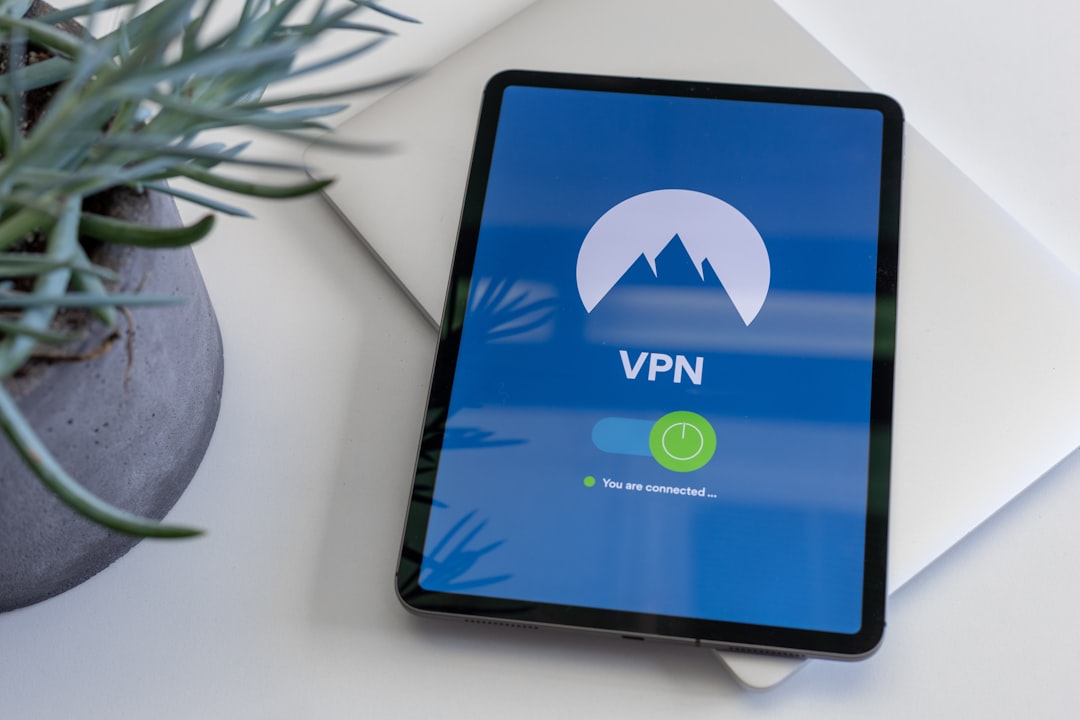
By routing traffic through a secure encrypted tunnel, travelers can:
- Communicate safely with IT teams
- Conduct forensic uploads or log reviews
- Change compromised passwords without exposing new credentials
Incident response teams often instruct traveling employees to connect to a trusted VPN immediately after detecting suspicious activity. This reduces further exposure while remediation steps are underway.
Best Practices for Using a VPN During International Travel
While VPNs are powerful tools, effectiveness depends on proper implementation. Security professionals recommend the following:
- Install and test the VPN before departure.
- Use reputable providers with strong encryption standards.
- Enable automatic connection on unsecured Wi‑Fi.
- Combine VPN use with multi-factor authentication.
- Keep devices and VPN software updated.
It is also essential to understand local regulations regarding VPN usage, as some jurisdictions impose restrictions.
The Strategic Importance of VPNs in Travel Security
Cybersecurity threats do not pause at international borders. On the contrary, travel often amplifies digital exposure due to unfamiliar networks, heightened surveillance, and operational urgency. From corporate executives closing cross-border deals to journalists reporting in restrictive environments, the risks are real and well documented.
A VPN does not eliminate all threats, nor should it replace comprehensive security protocols. However, it remains one of the most immediately deployable, cost-effective, and impactful protective measures available to international travelers. When combined with encrypted devices, strong authentication policies, and informed user behavior, VPN usage significantly strengthens overall travel security posture.
In a world where physical mobility and digital connectivity are inseparable, protecting data in transit is no longer optional. It is a professional responsibility.