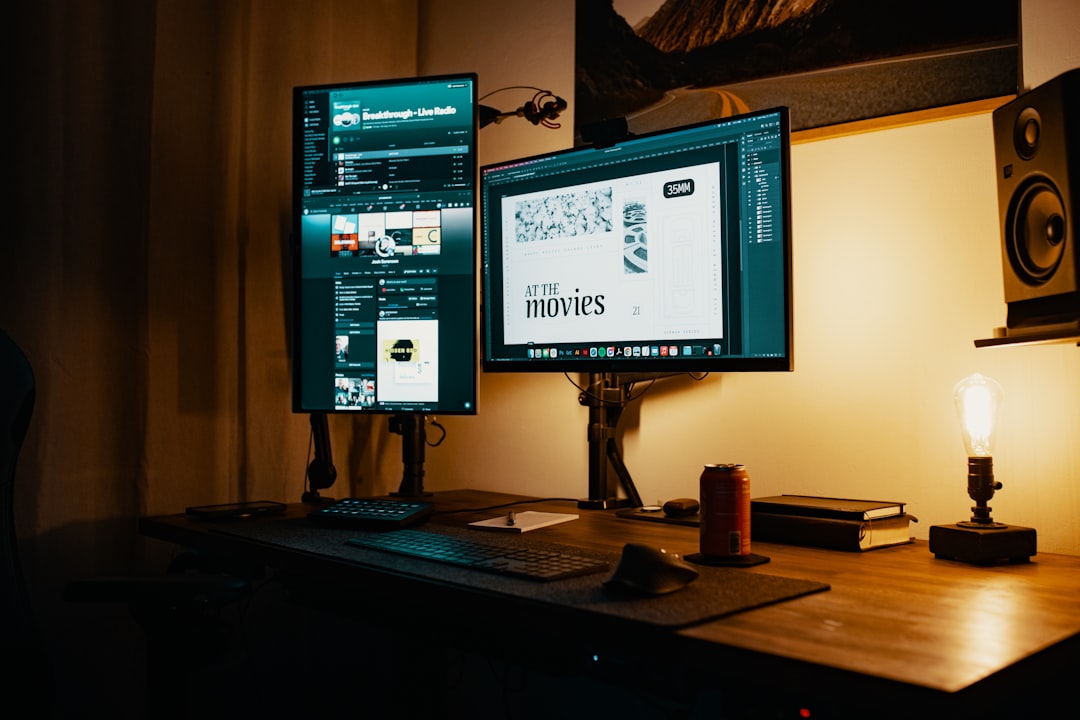
In today’s fast-paced and highly digital work environment, freelancers and solo creators need more than just talent—they need tools that streamline their workflow and enhance their online presence. Whether you’re a writer, designer, developer, consultant, or coach, having a professional website can increase your visibility, build your credibility, and even automate aspects of your business. That’s where website builders come into play.
TL;DR: Freelancers and solo creators often juggle multiple roles, so using the right website builder is crucial in building an efficient and attractive online platform. This article explores 8 ideal website builders tailored to the needs of independent professionals. We cover highlights like ease of use, affordability, scalability, and customization. Whether you want a portfolio, a blog, or a full-on ecommerce platform, you’ll find an option that works for you.
1. Wix – Best for Design Flexibility
Wix provides freelancers with a drag-and-drop interface that is intuitive and packed with functionality. With over 800 predefined templates, it’s perfect for those who want design freedom without needing to know how to code. You can also use Wix’s AI-powered tool, Wix ADI, to build a professional-looking website almost instantly.
Key Features:
- Extensive template library
- App Market for functionality expansion
- Impressive mobile optimization
Best for: Creatives like graphic designers, photographers, and illustrators who want visual control.
2. Squarespace – Most Stylish Templates
Famous for its minimalist and chic designs, Squarespace is a favorite among artists, bloggers, and creatives who emphasize aesthetics. The platform supports blogging, ecommerce, portfolios, and features a clean content management system (CMS).
Key Features:
- Beautiful mobile-responsive templates
- Built-in blogging and ecommerce tools
- Solid SEO and analytics tools
Best for: Creatives who prioritize elegant presentation, like writers, artists, and boutique shop owners.
3. Webflow – Best for Advanced Customization Without Coding
Webflow offers a unique combination of design freedom and technical flexibility. It’s ideal for freelancers who want more control over layout and animation but don’t want to dive into deep code—though it also supports custom HTML and CSS for those who need it.
Key Features:
- Visual CSS interface
- Built-in CMS for managing dynamic content
- Advanced animations and interactions
Best for: Designers and developers who want high-level customization without relying on templates.

4. WordPress.com – Best for Blogging and Long-form Content
WordPress.com remains the go-to platform for bloggers and content marketers. It provides a robust content management system with wide plugin support and a vast array of themes—great for freelancers who want to build authority through their writing.
Key Features:
- Wide range of themes and plugins
- Excellent blogging tools
- Auto-updates, backups, and security for peace of mind
Best for: Writers, coaches, and consultants focusing on content marketing or blog monetization.
5. Zyro – Simple and Streamlined for Beginners
Zyro shines for its simplicity and affordability. It’s the ideal platform if you want to get a polished site up and running quickly. With fewer customization options than Wix or Webflow, it nonetheless offers plenty for a freelancer just starting out.
Key Features:
- AI-powered tools for copy and design
- Fast loading times and mobile optimization
- User-friendly template editor
Best for: Freelancers looking for an efficient, no-fuss web-building experience.
6. Strikingly – Best for One-Page Websites
If your goal is to get a single, stunning page online—think resumes, personal brands, or lean portfolios—Strikingly is worth a look. It offers single-page layouts that guide visitors through your content seamlessly.
Key Features:
- Mobile-optimized single-page sites
- Built-in analytics and contact forms
- Fast and easy to publish
Best for: Personal branding, freelancers looking to showcase services concisely, and quick client pitches.
7. Shopify – Best for Freelancers Selling Products
If ecommerce is part of your freelance work—selling art, courses, templates, or merchandise—Shopify has you covered. Known for its robust ecommerce capabilities, it’s great for freelancers looking to build their own online store with minimal hassle.
Key Features:
- Comprehensive ecommerce features
- Beautiful themes and customization
- Powerful inventory and order management
Best for: Creators selling digital or physical goods like artists, crafters, and course creators.

8. Carrd – Best for Landing Pages and Portfolios
Built for simplicity and speed, Carrd is only for one-page sites but does its job exceptionally well. Ideal for creators launching a product, building a personal brand, or collecting newsletter signups, it’s a minimalist solution with big impact.
Key Features:
- Extremely easy to use
- Responsive design built-in
- Very affordable—free and paid versions available
Best for: Freelancers needing a quick, beautiful landing page or newsletter signup page, especially for marketing campaigns.
Choosing the Right Builder: What to Consider
Before diving into any platform, ask yourself a few key questions:
- What is your main goal? Is it showcasing a portfolio, running a blog, or selling products?
- Do you need advanced customization? More advanced platforms like Webflow might be better for you.
- How comfortable are you with tech? Beginners will thrive on platforms like Zyro or Carrd, while more advanced users might lean toward WordPress or Webflow.
- Budget and scalability: Free plans are available on many platforms, but think about what happens when you need to upgrade.
Final Thoughts
As a freelancer, your time and presentation are both incredibly valuable. These 8 website builders strike a fine balance between price, power, and usability. Whether you’re just starting out or expanding your solo business, choosing the right builder means focusing more on your craft and less on the technicalities. From portfolios to online stores to single-page CVs, there’s a perfect match for every creator.
Pick the one that fits your goals best, experiment with it, and let your website start pulling its weight in your business.