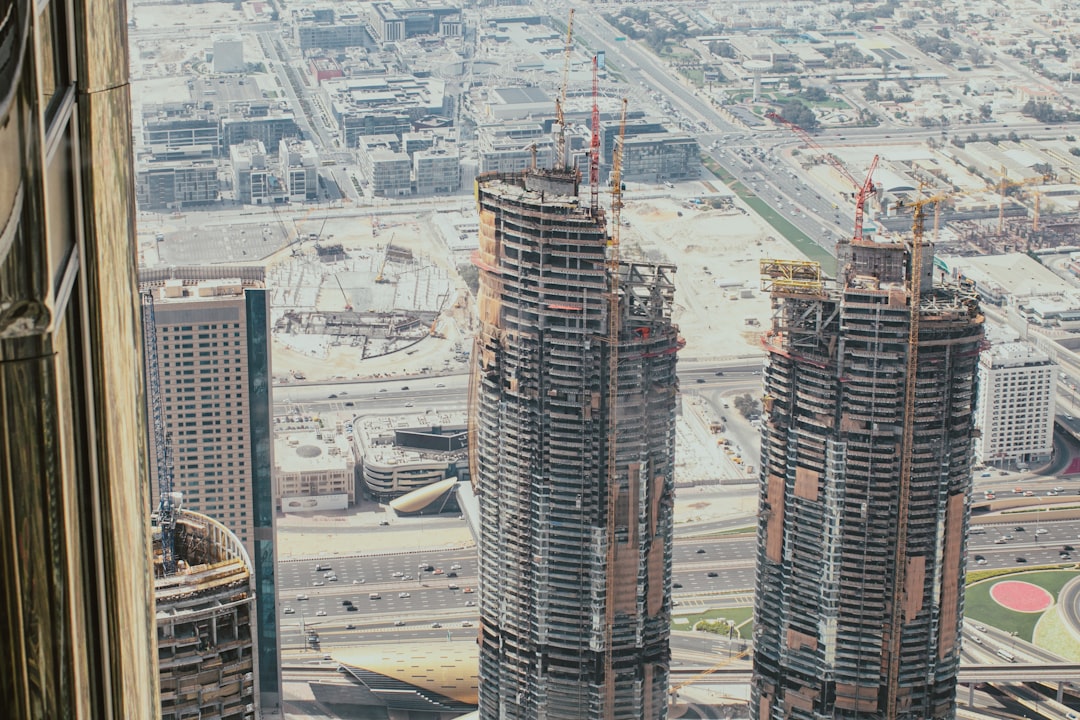
Purchasing an apartment in Dubai can be an exciting and highly rewarding investment opportunity. With its opulent skyline, booming economy, and world-class infrastructure, Dubai is one of the most sought-after real estate markets in the world. However, the process of buying property here can be complex, especially for first-time buyers and foreign investors. Making a wrong move can cost you time, money, and a lot of headaches.
TLDR:
Buying an apartment in Dubai is an attractive investment, but it’s easy to fall into common traps. Always research the legal requirements and work with RERA-registered professionals. Don’t rush into deals that look too good to be true, and avoid overlooking hidden costs and due diligence. Patience and knowledge are key to making a sound decision.
1. Not Understanding the Freehold vs Leasehold Zones
Dubai offers both freehold and leasehold properties, and not knowing the difference is one of the earliest mistakes buyers make.
- Freehold areas: Buyers of all nationalities have full ownership of the property and the land it’s built on. Popular areas include Dubai Marina, Downtown Dubai, and Palm Jumeirah.
- Leasehold areas: Buyers get rights to the property for a fixed period—usually 30 to 99 years—but not the land itself. These are often situated in older parts of the city or government zones.
Newcomers often assume they can buy anywhere without considering ownership types, which may lead to legal dissatisfaction later. Plan your investment and lifestyle needs carefully to choose the right zone.
2. Skipping Pre-Approval for Mortgages
Another frequent mistake is shopping for apartments without first securing mortgage pre-approval from a UAE bank. It’s a vital step, especially for foreign buyers.
Pre-approval gives you a realistic budget, simplifies negotiations, and shows sellers that you are a serious buyer. It improves your standing in case you’re competing for popular listings. Being turned down at a late stage due to ineligibility is not only frustrating—it can also cost non-refundable fees.
3. Ignoring the Developer’s and Agent’s Reputation
Dubai has a range of real estate developers and agents, and not all of them are created equal. A common blunder is choosing deals based solely on price or flashy brochures.
Before signing anything, ask:
- Is the developer RERA (Real Estate Regulatory Agency) registered?
- What are the developer’s previous projects and their completion histories?
- Is the agent registered and licensed in Dubai?
A simple search online or through the Dubai Land Department can reveal reviews, complaints, or government action against the company. Trustworthy professionals are key to your confidence and success.
4. Being Unaware of All Costs Involved
The listed property price is only part of the real cost of buying an apartment in Dubai. Many overlook various additional expenses, causing budget surges and unwanted stress at closing.
Common hidden or additional costs include:
- Dubai Land Department (DLD) fee: 4% of the property value
- Real estate agent’s commission: around 2%
- Mortgage registration fee: 0.25% + AED 290
- Developer’s service charges: paid annually
- Oqood registration (off-plan only): 4%
These can quickly add up to 7–8% of the property’s price. Before you fall in love with a property, run the numbers realistically.
5. Rushing into Off-Plan Purchases Without Research
Off-plan apartments—those still under construction—are usually cheaper and might promise higher ROI. However, buying based only on blueprints or showroom models is risky without due diligence.
Risks of jumping into off-plan properties include:
- Project delays or cancellations
- Changes to the final layout or quality
- Developer liquidity issues
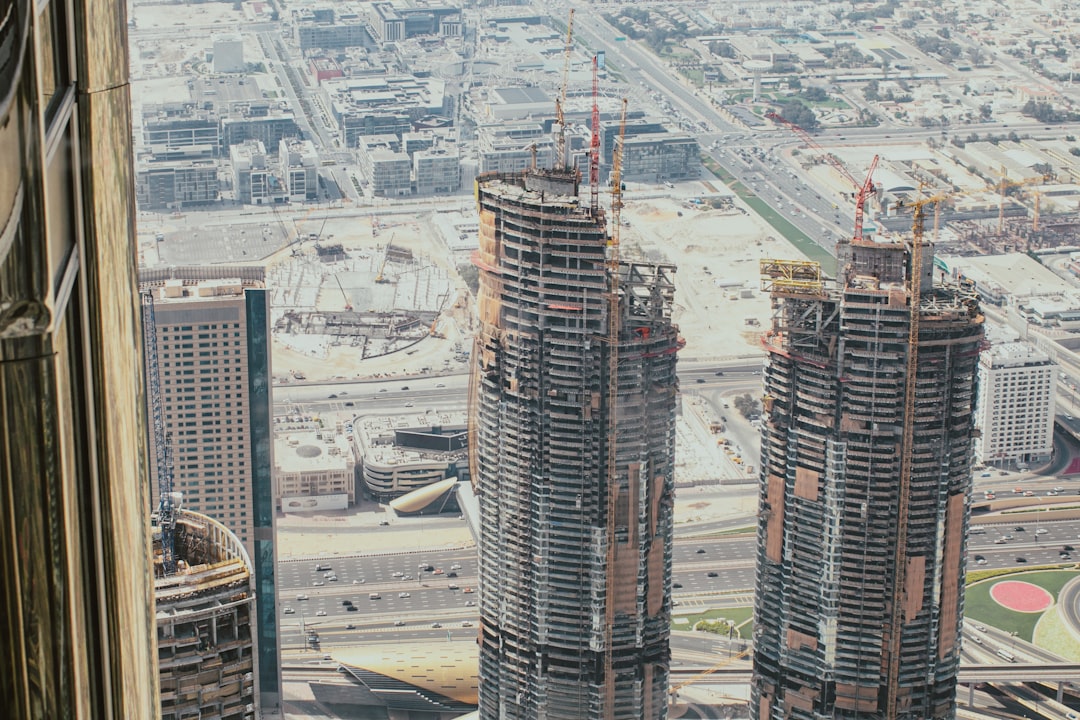
Always investigate the developer’s financial health and track record. Ask for escrow protection and project completion guarantees. Also, confirm the property is listed on RERA’s official register for off-plan developments.
6. Neglecting Location Priorities
Dubai is a city of contrasts—where you choose to live will drastically shape your experience and investment potential.
Common mistakes when assessing location include:
- Focusing only on current price rather than future growth
- Ignoring transportation links, especially the Metro
- Neglecting nearby amenities like schools, hospitals, or shopping centers
Trendy neighborhoods like Business Bay or Jumeirah Village Circle (JVC) might appeal, but they may not suit your commute, work life, or tenants if you’re renting it out. Define your lifestyle or rental goals clearly before deciding on a location.
7. Not Verifying the Property’s Legal Status
Always ensure the property you’re buying is legally available for sale. Although property fraud is rare in Dubai due to strong regulations, unauthorized listings can still occur.
Ensure the following is verified:
- Title deed from the Dubai Land Department
- No outstanding mortgages or liens
- Valid building completion certificate (for ready properties)
Use a professional conveyancer or a lawyer to conduct property verification and documentation review. Never sign any Sale and Purchase Agreement (SPA) without proper legal support.
8. Forgetting to Inspect the Property
This might seem like a no-brainer, but you’d be surprised how many buyers skip inspections, especially foreign investors making decisions remotely.
Always choose to:
- Visit or send someone to see the unit physically
- Check for cracks, leaks, faulty AC, or water damage
- Inspect the lobby, elevators, rooftop, and parking areas
For resale units, it’s wise to request a snagging report from a third-party service. Minor issues can become costly repairs if left unchecked.
9. Underestimating Service Charges
Each building and community in Dubai charges annual service fees, typically calculated per square foot. This covers maintenance, security, landscaping, and shared facilities.
Buyers often underestimate these fees, especially in high-end developments where amenities are more luxurious. A low-cost apartment with high service fees might turn out to be more expensive in the long run.
Check the latest service fee index on the Dubai Land Department website or ask the building management directly.
10. Making Emotional Decisions
Finally, real estate in Dubai can feel luxurious and tempting, with extravagant views and lush interiors. Don’t allow emotions to cloud your judgment.
Whether it’s the property’s view of the Burj Khalifa or a picture-perfect balcony, pause and ask if it aligns with your long-term strategy—especially if you’re investing rather than buying to live.
Create a checklist and stick to it. Evaluate properties based on verified data, investment ROI, rental yields, growth potential, and location fundamentals. Emotional buys are often the least profitable.
Final Thoughts
Dubai’s real estate market is one of the most dynamic and investor-friendly in the world, but it does come with its set of complexities. By avoiding common mistakes such as skipping mortgage pre-approval, failing to understand legal requirements, or ignoring location details, buyers can save a significant amount of money and stress.
Educate yourself, work with trusted professionals, and always perform in-depth due diligence. If done right, buying an apartment in Dubai can be a fruitful and secure long-term investment.