
Managing finances as a digital nomad is significantly more complex than handling personal budgets in a single country. Income may arrive in one currency, expenses pile up in another, and tax obligations often stretch across borders. Without a structured system, it becomes easy to lose track of cash flow, overspend due to exchange rate fluctuations, or struggle during tax season. Choosing the right expense tracking app is not simply about convenience — it is about financial stability, compliance, and long-term sustainability.
TLDR: Digital nomads need expense tracking tools that support multiple currencies, international banking integrations, and smart reporting for tax purposes. The five best apps for this lifestyle are Expensify, YNAB, Spendee, Revolut, and Trail Wallet. Each offers distinct strengths, from automated receipt scanning to real-time exchange rate tracking. Selecting the right one depends on your income structure, travel frequency, and business complexity.
Below is a detailed examination of five reliable expense tracking apps that consistently perform well for professionals working across multiple countries.
1. Expensify
Expensify is one of the most established expense management platforms available. Originally built for business expense reporting, it has evolved into a powerful solution for freelancers, remote teams, and independent contractors operating internationally.
Key Strengths:
- Smart receipt scanning with automatic data extraction
- Multi-currency support with automatic exchange rate conversion
- Direct integrations with accounting platforms like QuickBooks and Xero
- Automatic credit card import and categorization
For digital nomads invoicing international clients, Expensify simplifies report generation by organizing expenses into reimbursement-ready documents. The SmartScan feature reduces manual work by extracting merchant names, dates, and totals from photographed receipts.

Why it works for multi-country professionals: Expensify automatically applies current exchange rates, ensuring that reports remain consistent even when expenses are incurred in different currencies. This helps prevent underreporting or miscalculations during tax filing.
Potential limitation: The interface is optimized for business reporting rather than personal budgeting, which may feel overly structured for nomads seeking lifestyle expense visibility.
2. YNAB (You Need A Budget)
YNAB is widely respected for its disciplined, zero-based budgeting methodology. While not built specifically for international travelers, its adaptability makes it one of the most powerful financial planning tools for digital nomads.
Key Strengths:
- Zero-based budgeting framework
- Real-time bank synchronization
- Goal tracking and long-term forecasting
- High-security standards
Unlike typical tracking apps that simply monitor spending, YNAB forces users to assign every dollar a specific role. For digital nomads whose income fluctuates monthly, this structure provides clarity and minimizes financial uncertainty.
Why it works across borders: YNAB allows accounts in multiple currencies and supports global bank connections. Even when banks cannot sync automatically, manual adjustment is straightforward and transparent.
Potential limitation: It requires consistent engagement. Nomads who prefer automation over hands-on budgeting may find it demanding.
3. Spendee
Spendee offers a balance between visual clarity and international functionality. It is particularly attractive to location-independent professionals who value intuitive dashboards over complex accounting tools.
Key Strengths:
- Multiple wallet setup for different currencies
- Shared wallets for travel partners or remote teams
- Visual spending analytics
- Cryptocurrency tracking support
Its “Wallets” feature allows users to separate expenses by country, project, or trip — an extremely useful feature for nomads rotating between locations every few months.
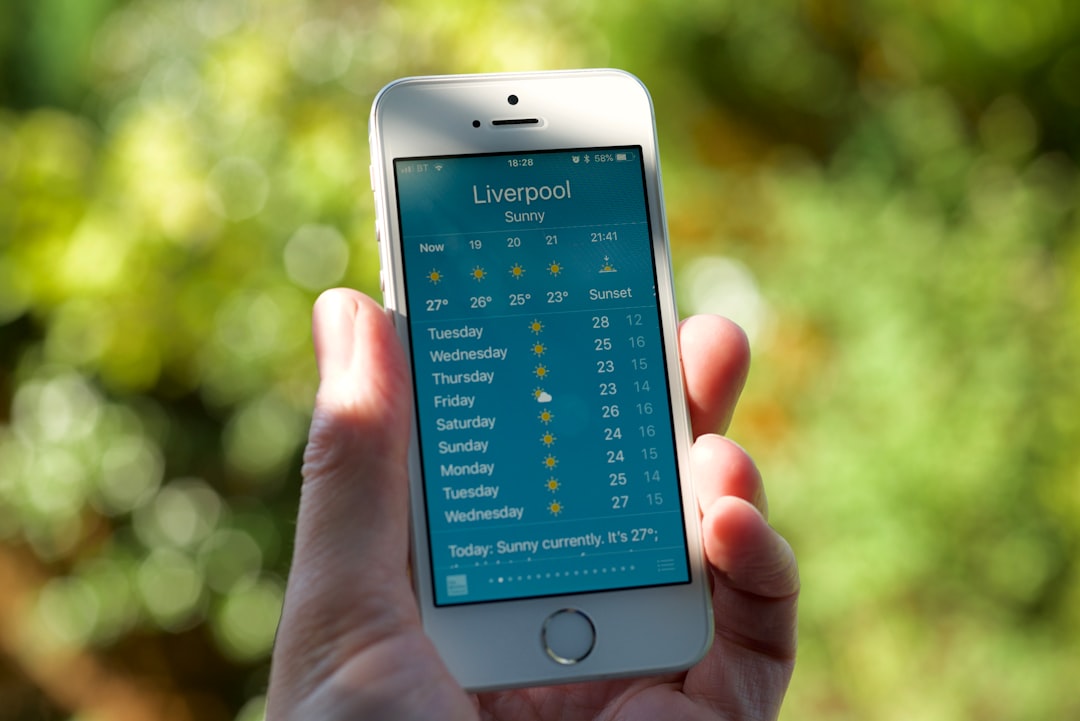
Why it works internationally: You can create separate wallets in euros, dollars, pesos, or baht, helping reduce confusion caused by currency conversion while still maintaining oversight in a single dashboard.
Potential limitation: Spendee is more focused on expense monitoring than deep financial forecasting.
4. Revolut
Revolut is more than an expense tracking app — it functions as an international banking solution. For nomads who prioritize seamless currency exchange and low transfer fees, it can replace or significantly supplement traditional banking.
Key Strengths:
- Multi-currency accounts with real exchange rates
- Instant spending notifications
- Built-in budgeting analytics
- Competitive forex rates
Revolut enables users to hold, exchange, and spend money in dozens of currencies. Because expense tracking is directly embedded into the banking platform, spending insights are immediate and accurate.
Why it works globally: The automatic currency conversion feature helps avoid hidden markup fees that traditional banks often charge. For remote workers paid in one currency but living in another, this can generate substantial savings.
Potential limitation: Budgeting and categorization features are less detailed than dedicated budgeting platforms like YNAB.
5. Trail Wallet
Trail Wallet is specifically designed for frequent travelers and digital nomads. Developed by long-term travelers, it focuses on simplicity and mobility.
Key Strengths:
- Offline functionality
- Fast manual expense entry
- Per-trip budget tracking
- Lightweight, intuitive design
Unlike more complex financial ecosystems, Trail Wallet prioritizes speed and clarity. You can track daily spending limits and monitor how quickly you are consuming your trip budget.

Why it works across multiple countries: It converts currencies automatically while allowing users to track spending in the local amount entered. This prevents overreliance on memory when recalculating costs later.
Potential limitation: Lacks deep integrations with accounting software or banking APIs.
Comparison Chart
| App | Best For | Multi Currency Support | Bank Integration | Business Features |
|---|---|---|---|---|
| Expensify | Freelancers and remote teams | Yes | Yes | Advanced reporting and receipt scanning |
| YNAB | Structured budgeting | Yes | Yes | Goal forecasting |
| Spendee | Visual expense monitoring | Yes | Partial | Shared wallets |
| Revolut | Banking and currency exchange | Extensive | Native banking | Integrated spending analytics |
| Trail Wallet | Frequent travelers | Yes | No | Trip focused budgeting |
How to Choose the Right App
While all five tools are reputable, your choice should be based on three critical factors:
- Income Structure: Are you invoicing international clients, earning passive income, or employed by a single company?
- Travel Frequency: Monthly country changes require more robust currency management.
- Tax Complexity: Operating as a registered business demands stronger reporting and export features.
For example, a freelance consultant invoicing U.S. clients while living in Southeast Asia would likely benefit most from Expensify or Revolut. Meanwhile, a slow-travel content creator prioritizing long-term financial clarity might prefer YNAB.
Final Considerations
Expense tracking for digital nomads is not merely administrative housekeeping — it directly impacts savings rates, tax accuracy, and stress levels. Currency volatility alone can quietly erode profit margins if spending is not carefully tracked.
There is no universal solution, but there is a correct solution for your specific lifestyle. Whether you need automated reports, zero-based budgeting discipline, travel-friendly simplicity, or integrated banking, the tools reviewed above consistently deliver reliability and transparency.
In a borderless work environment, financial clarity becomes your anchor. The right expense tracking app ensures that while your location may change, your financial oversight remains stable and precise.