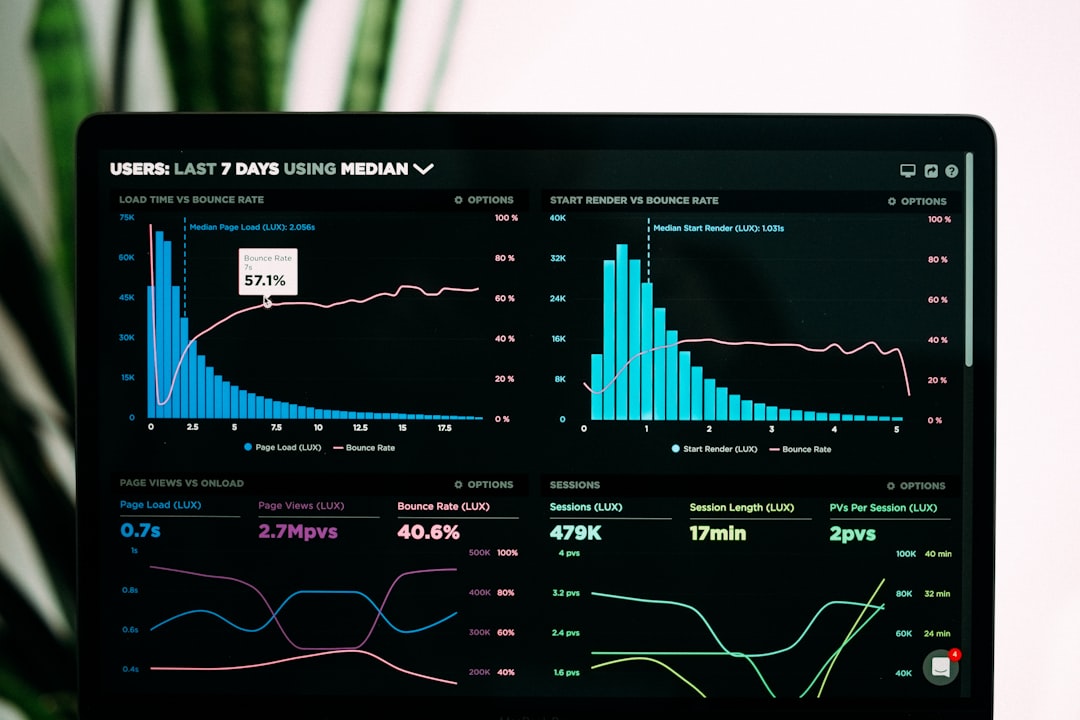
In the competitive world of SaaS and online businesses, growth hinges on one crucial factor: your ability to turn prospects into paying customers consistently and efficiently. But hiring a massive sales team isn’t always practical—or profitable. That’s where automation comes in. When implemented strategically, sales automation doesn’t replace human connection; it enhances it, ensuring every lead gets timely attention while your team focuses on closing high-value deals.
TL;DR: Sales automation helps SaaS and online businesses convert more leads with less manual work. By combining smart lead qualification, email sequences, CRM workflows, AI-powered chat, self-serve funnels, and data-driven optimization, you can build a predictable sales engine. The key is to automate repetitive steps while preserving personalized touchpoints. Done right, automation scales revenue without scaling overhead.
Below are six smart strategies that can help you automate sales effectively—without sacrificing customer experience.
1. Automate Lead Capture and Qualification
Not every website visitor is ready to buy. Your first goal is to automatically identify who is—and who isn’t.
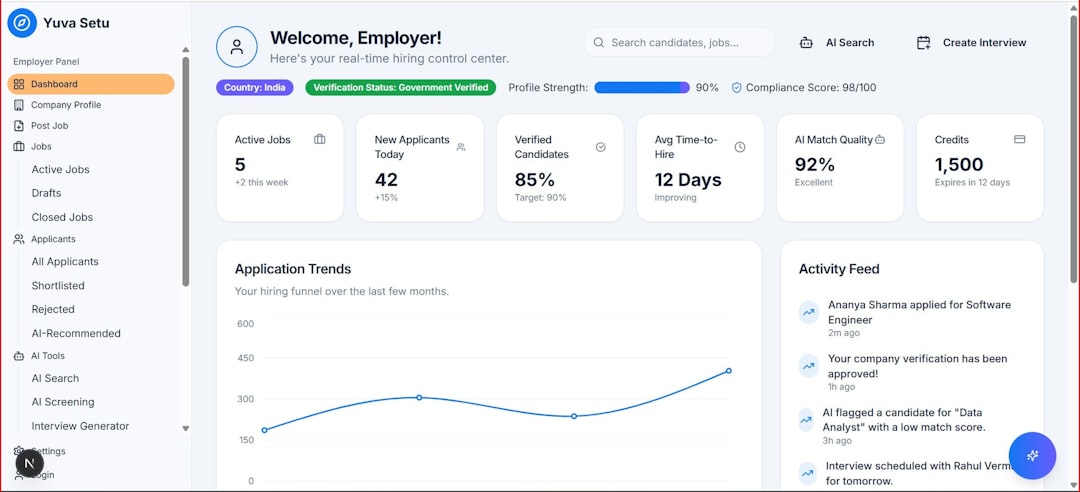
Start by integrating smart forms, behavior tracking, and lead scoring. Modern CRM platforms allow you to assign points based on:
- Page visits (pricing or demo pages carry more weight)
- Email engagement
- Company size or job title
- Product usage during free trials
When a lead reaches a predefined score, your system can automatically:
- Create a CRM task for sales
- Send a personalized follow-up email
- Invite the lead to schedule a demo
This ensures your sales team focuses only on sales-qualified leads (SQLs), rather than chasing cold prospects.
Pro Tip: Use progressive forms that ask new questions each time someone returns, slowly enriching the contact profile without overwhelming them.
2. Build Behavior-Based Email Sequences
Email remains one of the most powerful automated sales tools—especially for SaaS businesses with longer buying cycles.
Instead of generic newsletters, create behavior-triggered sequences such as:
- Welcome sequences for new signups
- Trial onboarding flows
- Abandoned checkout reminders
- Re-engagement campaigns
- Upsell sequences based on feature usage
For example, if a user signs up for a free trial but doesn’t activate a core feature within three days, your system can automatically send:
- A tutorial email
- A case study
- An offer to book a quick assistance call
This kind of targeted communication increases engagement without requiring manual follow-up.
The magic lies in segmentation. The more relevant your emails, the higher your open and conversion rates.
3. Use AI Chatbots and Live Chat Automation
Your website visitors often have questions—but they may not want to fill out a form and wait 24 hours for a reply.
This is where AI-powered chatbots shine. They can:
- Answer common product questions
- Qualify visitors instantly
- Route hot leads to sales reps
- Schedule meetings automatically
A well-configured chatbot can ask qualifying questions like:
- “What’s your company size?”
- “What tools are you currently using?”
- “What’s your biggest challenge?”
If the answers match your ideal customer profile, the bot can immediately offer a calendar link.
This creates an always-on sales assistant that works 24/7—capturing opportunities even while your team sleeps.
Important: Keep the bot conversational and simple. Over-complicated scripts reduce engagement.
4. Implement Self-Serve Sales Funnels
Modern SaaS buyers prefer autonomy. They want to explore, test, and purchase without speaking to sales—especially for lower-priced plans.
Automating your self-serve funnel means:
- Clear pricing pages
- Seamless checkout systems
- Instant onboarding workflows
- Automated billing and subscription management
Your funnel should guide users effortlessly from discovery to conversion:
- Landing page
- Free trial signup
- Guided onboarding emails
- In-app product tooltips
- Upgrade prompts based on usage
When your infrastructure supports a frictionless purchasing experience, customers close themselves.
This model works especially well for:
- Low to mid-ticket SaaS subscriptions
- Digital courses
- Membership platforms
- Subscription-based tools
The result? Revenue grows without requiring direct sales effort for each deal.
5. Automate Follow-Ups and CRM Workflows
One of the biggest sales killers is poor follow-up. Automated CRM workflows ensure no lead falls through the cracks.
Set up automation rules such as:
- If no reply after 3 days → Send follow-up email
- If demo completed → Send recap + next steps
- If proposal sent → Automatic reminder in 5 days
- If deal lost → Enroll in nurturing sequence
Automation also helps your pipeline stay clean. For example, inactive deals can automatically move to a “Re-engagement” stage.
Many CRMs also allow you to create task automation for reps, such as automatic reminders to call high-value prospects.
The benefit is twofold:
- Higher close rates
- Reduced administrative workload
6. Use Data and Predictive Analytics to Optimize Sales
Automation without analysis is guesswork. To truly scale sales, you need automated reporting and predictive insights.
Track key metrics such as:
- Lead-to-demo conversion rate
- Trial-to-paid conversion rate
- Customer acquisition cost (CAC)
- Sales cycle length
- Churn rate
Advanced tools now use AI-driven forecasting to predict revenue trends and identify at-risk customers.
For example:
- If feature usage drops → Trigger retention outreach
- If multiple team members log in daily → Suggest a larger plan
- If engagement stalls → Offer personalized assistance
This level of automation allows you to shift from reactive selling to proactive revenue growth.
Comparison Chart: Popular Tools for Sales Automation
| Tool | Best For | Key Features | Pricing Level |
|---|---|---|---|
| HubSpot | All-in-one CRM automation | Email workflows, lead scoring, analytics, chatbot | Mid to High |
| ActiveCampaign | Email-heavy automation | Behavior tracking, advanced segmentation | Mid |
| Intercom | Chat automation | AI chatbot, product tours, onboarding flows | Mid to High |
| Salesforce | Enterprise sales teams | Advanced CRM workflows, forecasting, AI insights | High |
| Pipedrive | Simple sales pipeline automation | Pipeline tracking, reminders, task automation | Low to Mid |
Each platform serves different needs. Smaller SaaS startups may prefer lightweight tools like Pipedrive or ActiveCampaign, while scaling companies often gravitate toward HubSpot or Salesforce.
Final Thoughts: Automation Amplifies, It Doesn’t Replace
The smartest SaaS and online businesses understand that automation isn’t about removing humanity from sales—it’s about eliminating inefficiency.
When you automate:
- Lead qualification becomes precise
- Follow-ups happen consistently
- Customers receive instant responses
- Your team focuses on high-impact activities
The most effective approach is hybrid: automate repetitive tasks and personalize critical moments.
Start small. Choose one strategy—maybe automated follow-ups or chatbot qualification—and optimize it fully before layering on others. Over time, these systems interlock to form a powerful, scalable sales engine.
In the digital economy, speed and consistency win. With the right automation strategy, your business can sell smarter, grow faster, and scale sustainably—all without dramatically increasing headcount.