We live in a world of screens. Phones buzz. Tablets glow. Laptops hum late into the night. News travels fast and often disappears even faster. Yet, in the middle of this digital storm, print stands calm and steady. Books still line shelves. Magazines still land in mailboxes. Business cards still change hands. Print is not gone. In many ways, it is stronger than ever.
TL;DR: Print is not dead. It offers focus, trust, and a sensory experience that screens cannot match. People remember printed content better and often trust it more. In a noisy digital world, print feels real and lasting.
The Digital Boom Did Not Kill Print
For years, people said print was dying. They predicted the end of newspapers. They thought books would become fully digital. They believed paper would vanish.
But that did not happen.
Yes, digital media grew fast. Social media changed how we connect. Online news became normal. E-books became common. But print did not disappear. It adapted. It found its place.
In fact, many printed products are thriving:
- Indie bookstores are making comebacks.
- Specialty magazines are growing loyal audiences.
- High-end printed reports are used to impress clients.
- Direct mail marketing often outperforms email.
Print did not lose. It evolved.
Print Feels Real
One big reason print lasts is simple. You can touch it.
You can feel the weight of a book. You can flip through glossy pages. You can fold a corner. You can write in the margins.

This physical experience matters. It creates a deeper connection. Screens are smooth and cold. Everything looks similar. But print has texture. It has smell. It has presence.
Holding something in your hands makes it feel important. It feels owned. That feeling is powerful.
Print Slows You Down
Digital life is fast. Too fast sometimes.
You scroll. You swipe. You click. You skim. Notifications interrupt every few minutes. Ads pop up. Tabs multiply.
Print is different.
When you read a printed book, you focus. There are no pop-ups on paper. No auto-play videos. No buzzing alerts.
This slower pace improves understanding. Studies show that people often remember printed information better than digital text. They recall details more clearly. They understand complex ideas more deeply.
Why? Because print encourages:
- Deep reading
- Fewer distractions
- Longer attention spans
In a distracted world, focus is a luxury. Print provides it.
Print Builds Trust
Trust is fragile online. Fake news spreads quickly. Deepfakes look real. Anyone can publish anything in seconds.
Printed materials feel more trustworthy. They seem more permanent. After all, printing costs money. It takes effort. It suggests intention.
People often view printed ads as more credible than digital ads. They are less intrusive. They do not blink or shout. They sit quietly on a page.
A printed annual report feels serious. A printed certificate feels official. A printed invitation feels special.
Paper carries weight. Not just physically. Emotionally too.
Print Stands Out
Think about your email inbox. Now think about your physical mailbox.
Which one feels more crowded?
Most inboxes are overflowing. Promotions pile up. Newsletters go unread. Messages are deleted in seconds.
Physical mail is different. There is less of it. That makes each piece more noticeable.
Marketers understand this. Direct mail often has higher engagement rates than email. People are curious. They open envelopes. They glance at postcards. They hold brochures.

Print cuts through digital noise by being tangible. It demands a moment of attention. And that moment can be powerful.
Print Creates Emotional Impact
Think about your favorite childhood book. You probably remember the cover. The paper. Maybe even the smell.
Now think about a random website you visited ten years ago.
Harder to recall, right?
Print often ties to memory and emotion. Photo albums tell family stories. Wedding invitations become keepsakes. Posters from concerts hang on walls for years.
Printed objects stay in our lives. They do not disappear with a dead battery or a broken link.
This lasting quality builds emotional value. And emotional value builds loyalty.
Print and Digital Work Better Together
It is not a battle. It is a partnership.
Smart brands combine print and digital. They use each for what it does best.
- Print for depth and trust.
- Digital for speed and reach.
- Print for lasting impression.
- Digital for instant updates.
For example:
- A printed magazine may include QR codes that link to videos.
- A direct mail postcard may drive people to a website.
- A printed catalog may inspire online purchases.
This mix creates a richer experience. Users move between both worlds. The key is balance.
Print Elevates Brands
Luxury brands understand the power of print. High-quality paper. Elegant typography. Thick business cards. Beautiful packaging.
These details send a message. They say, “We care.”
Digital design matters too. But print adds another layer. It engages more senses. Sight. Touch. Even sound when you turn a page.
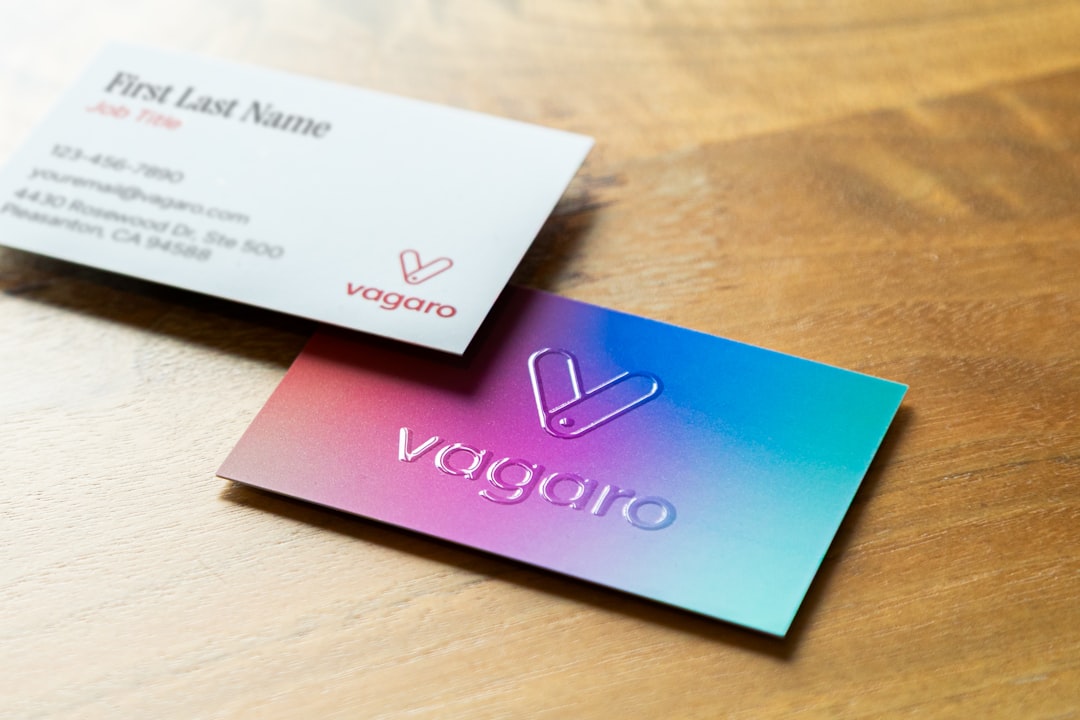
A well-designed printed piece can feel like a gift. That feeling strengthens brand identity. It makes companies memorable.
Print Encourages Intentionality
Online content is endless. You can scroll forever. There is always more.
Print has limits. A book has a final page. A magazine has a set number of articles.
These limits create intention. Editors choose carefully. Designers plan layouts with purpose. Readers commit to finishing.
This sense of completion feels satisfying. You close a book and feel accomplished. You finish a magazine and feel informed.
Digital content rarely gives that same closure.
Print Strengthens Learning
Many students prefer printed textbooks. They highlight passages. They underline sentences. They add sticky notes.
These physical actions help memory. They turn reading into interaction.
Research often shows that reading on paper improves comprehension for complex material. Especially long-form text.
This matters in education. It matters in training. It matters in professional development.
When information is important, print can give it the seriousness it deserves.
Print Is Sustainable Too
Some critics argue that print harms the environment. Paper uses trees. Printing uses ink.
But the story is more nuanced.
Many paper companies plant more trees than they harvest. Recycling rates for paper are high in many countries. Sustainable inks and responsible forestry practices are common.
Meanwhile, digital tools also have an environmental cost. Data centers consume large amounts of energy. Devices require rare minerals. Electronic waste is a major issue.
The solution is not “all digital” or “all print.” It is smart, responsible use of both.
Print in a Remote World
Remote work increased screen time. Virtual meetings became normal. Digital fatigue became real.
After hours of video calls, many people crave offline experiences. They want to unplug. They want quiet.
Reading a printed book at night feels relaxing. Writing in a paper planner feels grounding. Sending a handwritten note feels personal.
Print offers a break from the glow of screens. It rests the eyes. It resets the mind.
Why Print Will Endure
Technology will keep changing. Screens will get sharper. Devices will get smarter. Artificial intelligence will create content in seconds.
But the basics of human nature stay the same.
We like to touch. We like to collect. We like to slow down. We like to trust what feels solid.
Print meets these deep human needs.
It does not compete with digital speed. It does not try to be louder. Instead, it offers something different.
- Calm instead of noise.
- Depth instead of speed.
- Presence instead of distraction.
That is why it lasts.
The Future Is Hybrid
The future is not paper versus pixels. It is paper and pixels.
Imagine reading a printed article. You scan a code to watch an interview. You return to the page to reflect. You share a photo of it online. Both formats support each other.
This hybrid approach respects the strengths of each medium.
Digital connects the world. Print grounds it.
Digital spreads ideas fast. Print helps ideas sink in.
Together, they create a more balanced information ecosystem.
Final Thoughts
Print has survived radio. It survived television. It survived the internet. And it is surviving social media.
Why? Because it offers something timeless.
It invites us to pause. To focus. To feel. To remember.
In a world that moves at lightning speed, paper still moves at the pace of thought.
And sometimes, that is exactly what we need.