Fishing has always required equal parts patience, intuition, and local knowledge. But in the modern era, anglers no longer have to rely solely on gut instinct and handwritten logbooks. Today’s fishing apps combine satellite data, weather modeling, mapping technology, and shared user insights to help you make smarter, more strategic decisions every time you head out on the water. Whether you fish from a kayak, bass boat, pier, or riverbank, the right app can turn guesswork into a calculated plan.
TLDR: Fishing apps use real-time weather data, solunar calendars, GPS mapping, and crowd-sourced reports to help anglers make smarter decisions. They improve location scouting, timing, lure selection, and safety. Some focus on detailed topographic maps, while others emphasize community catch reports or environmental forecasts. The best anglers often combine multiple apps for maximum insight.
The difference between a slow day and a trophy catch often comes down to timing, positioning, and preparation. Let’s explore how fishing apps are transforming the way anglers plan, adapt, and succeed on the water.
1. Smarter Timing With Solunar and Activity Forecast Apps
One of the most popular features in fishing apps is the solunar calendar. These forecasts predict fish activity levels based on the sun, moon phase, and gravitational pull. While not foolproof, many experienced anglers use solunar data to choose peak feeding windows.
Modern fishing forecast apps go further by combining:
- Barometric pressure trends
- Wind direction and speed
- Air and water temperature
- Cloud cover forecasts
- Precipitation patterns
For example, falling barometric pressure before a storm often triggers aggressive feeding. Apps flag these windows, allowing you to adjust your schedule instead of wasting hours during low-activity periods.
Why it matters: Instead of fishing whenever you’re free, you can fish when conditions are prime.
2. GPS Mapping and Lake Contour Intelligence
Gone are the days when only tournament anglers had access to detailed depth charts. Modern mapping apps offer high-resolution contour maps for thousands of lakes and coastal regions.
These apps allow you to:
- Identify drop-offs, ledges, and humps
- Locate submerged creek channels
- Mark personal waypoints and hotspots
- Track boat paths and drift lines
- Measure casting distance and structure proximity
Understanding underwater terrain is critical because fish relate heavily to structure. For example:
- Bass often hold along weed edges and submerged timber.
- Walleye suspend near drop-offs and deeper channels.
- Saltwater species follow reefs, ridges, and temperature breaks.
With GPS-enabled mapping, anglers no longer fish blindly — they make informed casts based on underwater topography.
3. Crowd-Sourced Catch Reports for Real-Time Insights
Community-focused fishing apps allow anglers to log catches publicly, creating a live database of fishing activity. These platforms reveal:
- What species are biting
- Where (general area) fish are being caught
- What baits or lures are working
- Time-of-day success patterns
While exact hotspots are often kept private, trend data helps you adjust your tactics. If multiple anglers report crankbait success in stained water conditions, you can adapt your bait selection before launching your boat.
Caution: Use reports as guidance, not guarantees. Fishing pressure can increase quickly in popular areas.
4. Water Conditions and Temperature Tracking
Water temperature dramatically impacts fish behavior. Many fishing apps integrate buoy data, tidal charts, and surface water temperature overlays.
This is especially critical for:
- Trout (sensitive to temperature swings)
- Offshore saltwater species (follow temperature breaks)
- Spring and fall bass movement
Advanced apps even provide satellite overlays showing thermal breaks offshore — key for locating pelagic fish like tuna or mahi-mahi.
Pro Tip: Fish often stack along temperature transition lines. Apps that highlight these zones give you a major advantage.
5. Safety and Navigation Tools
Smarter decisions aren’t just about catching fish — they’re also about staying safe.
Many fishing apps now include:
- Marine weather alerts
- Lightning tracking
- Tide charts
- Wind speed warnings
- Offline mapping capabilities
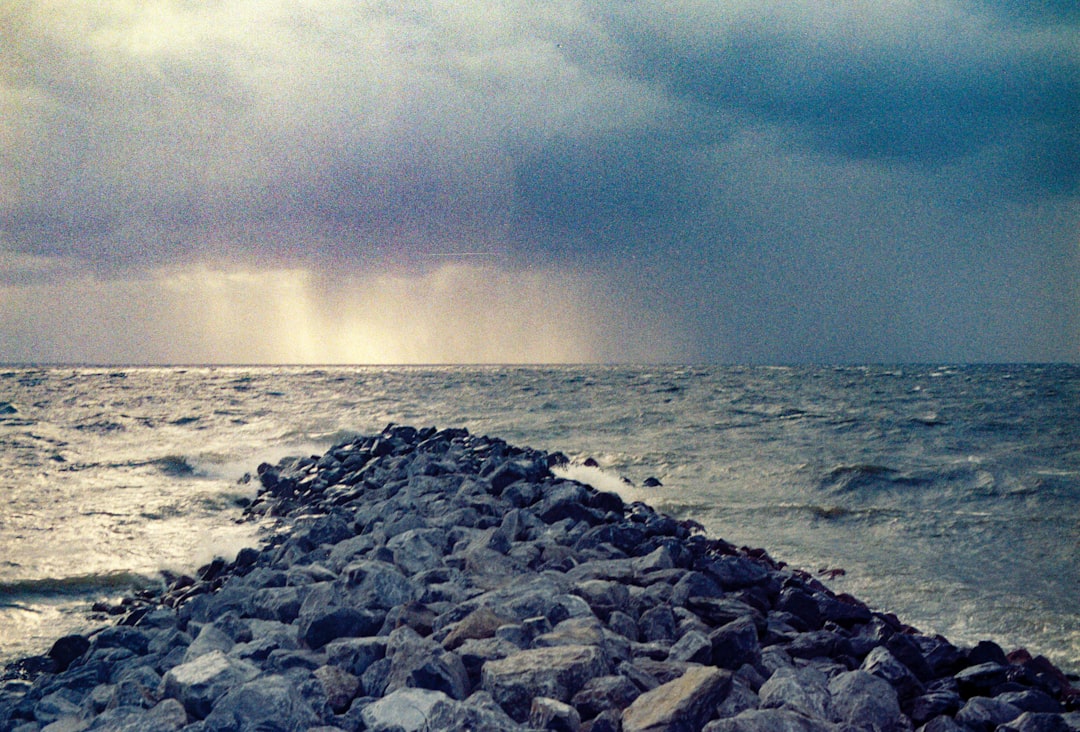
For kayak anglers and offshore boaters, sudden wind shifts can turn dangerous quickly. Real-time storm tracking and tide flow updates can prevent serious problems.
Having mobile access to safety information is one of the most underrated benefits of modern fishing apps.
6. Personal Fishing Logbooks and Data Tracking
Serious anglers track their successes. Fishing apps replace paper notebooks with digital logbooks that record:
- Date and time
- Location coordinates
- Weather conditions
- Lure or bait used
- Depth and structure type
- Photos of the catch
Over time, this builds a powerful dataset. Patterns emerge that would be difficult to remember otherwise. For instance, you might discover:
- You catch larger bass during overcast afternoons in late April.
- Walleye bite best for you during moderate wind from the west.
- Your most productive depth range is consistently 12–18 feet in summer.
Historical data transforms future decisions into calculated strategies.
Comparison Chart: Popular Types of Fishing Apps
| App Type | Main Strength | Best For | Offline Access | Community Features |
|---|---|---|---|---|
| Solunar Forecast Apps | Peak activity predictions | Timing trips | Limited | No |
| GPS Mapping Apps | Lake contours and structure mapping | Boat anglers, structure fishing | Yes (premium) | Minimal |
| Community Catch Apps | Real-time fishing reports | Local bite insight | Yes | Extensive |
| Marine Weather Apps | Safety and tide tracking | Saltwater, kayak, offshore | Varies | No |
| Digital Logbook Apps | Personal data tracking | Pattern-focused anglers | Yes | Optional sharing |
7. How to Combine Apps for Maximum Effectiveness
The most successful anglers rarely rely on just one app. Instead, they layer insights:
- Check solunar forecasts to select the best feeding window.
- Review weather and wind direction before launching.
- Analyze lake contours to identify structure.
- Browse recent catch reports for bait trends.
- Log results afterward for future pattern tracking.
This systematic approach transforms fishing from a guessing game into informed decision-making.
What Fishing Apps Can’t Replace
Despite all this technology, apps do not replace:
- On-the-water observation
- Local ecosystem knowledge
- Lure presentation skills
- Patience and adaptability
Technology enhances intuition — it doesn’t substitute for experience. For example, an app may predict high fish activity, but muddy runoff or heavy boat traffic may change conditions drastically. Smart anglers interpret data rather than relying on it blindly.
The Future of Fishing Apps
As artificial intelligence and satellite data continue to improve, fishing apps are becoming even more powerful. Emerging features include:
- AI-powered bite prediction models
- Smart sonar integration with mobile devices
- Augmented reality lake overlays
- Predictive fish movement algorithms
In the near future, your phone may analyze years of your personal fishing logs and suggest specific locations, lure colors, and retrieve speeds based on combined historical and environmental data.
For competitive anglers, this could become a serious edge. For recreational fishers, it simply means more productive and enjoyable time on the water.
Final Thoughts
Fishing will always contain a touch of mystery — that’s part of its magic. But modern fishing apps remove much of the unnecessary uncertainty. From detailed contour maps and solunar calendars to real-time catch reports and personalized logbooks, these digital tools empower anglers to make smarter, safer, and more strategic choices.
The key isn’t replacing tradition with technology. It’s blending them. When you combine experience, observation, and data-driven insights, you dramatically increase your odds of success.
In the end, smarter decisions lead to better fishing — and more memorable days on the water.