A continuous glucose monitor, often called a CGM, is a wearable device that tracks glucose levels throughout the day and night. Instead of relying only on occasional fingerstick checks, a CGM provides frequent glucose readings, trend information, and alerts that can help people with diabetes and certain metabolic conditions make safer daily decisions.
TLDR: A continuous glucose monitor is a small wearable system that measures glucose levels in real time or near real time. It is most commonly used by people with type 1 diabetes, many people with type 2 diabetes who use insulin, and others at risk of dangerous highs or lows. CGMs can help improve glucose control, reduce hypoglycemia, and provide useful patterns for healthcare providers. They do not replace medical guidance, but they can make diabetes management more informed and responsive.
What Is a Continuous Glucose Monitor?
A continuous glucose monitor is a medical device designed to measure glucose in the fluid between cells, known as interstitial fluid. This glucose level closely reflects blood glucose, although it may lag slightly behind a fingerstick blood test, especially during rapid changes after meals, exercise, or insulin dosing.
Most CGM systems include three main parts:
- Sensor: A small filament inserted just under the skin, usually on the abdomen, upper arm, or another approved site.
- Transmitter: A component that sends glucose data from the sensor to a receiver, smartphone, or insulin pump.
- Display device: A smartphone app, reader, smartwatch, or pump screen that shows glucose readings, trends, and alerts.
The sensor is usually worn for several days to two weeks, depending on the brand and model. Some implanted systems may last longer. During wear, the CGM checks glucose repeatedly, often every few minutes, creating a detailed picture of how glucose rises, falls, and responds to daily activities.
How Does a CGM Work?
A CGM uses a tiny sensor placed under the skin to measure glucose in interstitial fluid. The sensor produces readings that are converted into glucose values and displayed on a device. Instead of showing only a single number, many CGMs also show a trend arrow, which indicates whether glucose is rising, falling, or staying steady.
This trend information is one of the major advantages of CGM technology. A fingerstick result might show that glucose is 110 mg/dL at one moment, but it does not reveal whether that number is quickly dropping or steadily rising. A CGM can show both the number and the direction, allowing a person and the healthcare team to understand what is happening more clearly.
Some CGMs provide real-time readings and alerts automatically. Others require the user to scan the sensor with a reader or phone to view the data. In both cases, the device can reveal patterns that may otherwise go unnoticed, such as overnight lows, post-meal spikes, or glucose drops during exercise.
Types of CGM Systems
CGM systems vary by manufacturer, features, cost, and how data is displayed. In general, they can be grouped into a few categories:
- Real-time CGMs: These continuously send glucose readings to a device and may provide alerts for high or low glucose.
- Intermittently scanned CGMs: These require the sensor to be scanned to display current glucose data, although some newer versions include optional alarms.
- Professional CGMs: These are placed by a healthcare provider for short-term monitoring, often to identify patterns and guide treatment decisions.
- Implantable CGMs: These use a sensor inserted beneath the skin by a trained clinician and may last several months.
The choice of CGM depends on medical needs, lifestyle, insurance coverage, comfort with technology, and whether alerts or pump integration are necessary.
Who Needs a Continuous Glucose Monitor?
CGMs are most commonly associated with diabetes care, but not every person with diabetes has the same need for continuous monitoring. Healthcare providers usually consider several factors, including insulin use, history of low glucose, glucose variability, pregnancy, and overall treatment goals.
People With Type 1 Diabetes
People with type 1 diabetes often benefit greatly from CGM use because their bodies produce little or no insulin. They must balance insulin doses, food intake, activity, illness, stress, and other factors every day. A CGM can help detect dangerous lows, identify glucose spikes, and improve time spent in the recommended glucose range.
For many individuals with type 1 diabetes, CGMs are considered an important part of modern diabetes management. When combined with an insulin pump, some CGMs can support automated insulin delivery systems, sometimes called hybrid closed-loop systems. These systems can adjust insulin delivery based on glucose trends, although users still need training and ongoing medical supervision.
People With Type 2 Diabetes Who Use Insulin
Many people with type 2 diabetes also benefit from CGMs, especially those who use insulin. Insulin can lower glucose effectively, but it can also cause hypoglycemia if the dose, timing, meals, or activity level do not match. A CGM can help reveal when glucose is dropping too low or rising too high.
CGMs may be especially useful for people taking multiple daily insulin injections, those using insulin pumps, or those who have difficulty recognizing symptoms of low glucose. Even for individuals using only basal insulin, CGM data can help guide medication adjustments and lifestyle changes.
People With Frequent or Severe Hypoglycemia
Hypoglycemia, or low blood glucose, can be dangerous. Symptoms may include shakiness, sweating, confusion, weakness, blurred vision, or loss of consciousness. Some people develop hypoglycemia unawareness, meaning they no longer feel warning signs when glucose drops.
For these individuals, a CGM can provide critical alerts before glucose becomes dangerously low. Overnight hypoglycemia is another major concern, and CGM alarms may help caregivers, partners, or family members respond quickly when needed.
Pregnant People With Diabetes
During pregnancy, glucose targets are often tighter because high glucose can affect both the pregnant person and the baby. CGMs may be recommended for people with type 1 diabetes during pregnancy and may also be useful for some with type 2 diabetes or gestational diabetes, depending on clinical circumstances.
The additional data can help healthcare providers adjust treatment more precisely. However, CGM use during pregnancy should always be guided by a qualified medical team.
People Trying to Understand Glucose Patterns
Some people may use a professional CGM for a short period to understand how meals, medications, exercise, sleep, and stress affect glucose. This can be helpful when A1C results do not match fingerstick readings or when unexplained highs and lows occur.
In recent years, some people without diabetes have shown interest in CGMs for wellness tracking. While CGMs can show glucose responses to food and activity, their use in people without diabetes is still debated. The data may be interesting, but it can also be misinterpreted without medical context.
Benefits of Using a CGM
CGMs can offer several important benefits when used appropriately:
- More complete glucose information: CGM data shows patterns throughout the day and night.
- Alerts for highs and lows: Many systems can warn users before glucose reaches unsafe levels.
- Improved time in range: Users may spend more time within their recommended glucose range.
- Fewer fingersticks: Some systems reduce the need for routine fingerstick testing, though fingersticks may still be needed in certain situations.
- Better treatment decisions: Healthcare providers can use reports to adjust medications, insulin settings, meal plans, and activity strategies.
- Support for caregivers: Some CGMs allow glucose sharing with parents, partners, or caregivers.
One key CGM measurement is time in range, which represents the percentage of time glucose stays within a target range. This metric can provide more detail than an A1C test alone because it shows daily highs, lows, and variability.
Limitations and Challenges
Although CGMs are powerful tools, they are not perfect. Readings may occasionally be inaccurate, especially if the sensor is newly inserted, compressed during sleep, or affected by rapid glucose changes. Some systems may require calibration, and all systems require proper placement and use.
Common challenges include:
- Cost and insurance coverage: CGMs can be expensive without coverage.
- Skin irritation: Adhesives may cause itching, redness, or sensitivity.
- Alarm fatigue: Frequent alerts can become frustrating or overwhelming.
- Data overload: Too much information may cause anxiety if not interpreted properly.
- Device maintenance: Sensors must be replaced, apps updated, and devices charged or scanned.
CGM readings should be interpreted as part of a broader care plan. If symptoms do not match the CGM reading, many manufacturers and clinicians recommend confirming with a fingerstick blood glucose test.
How CGM Data Helps Healthcare Providers
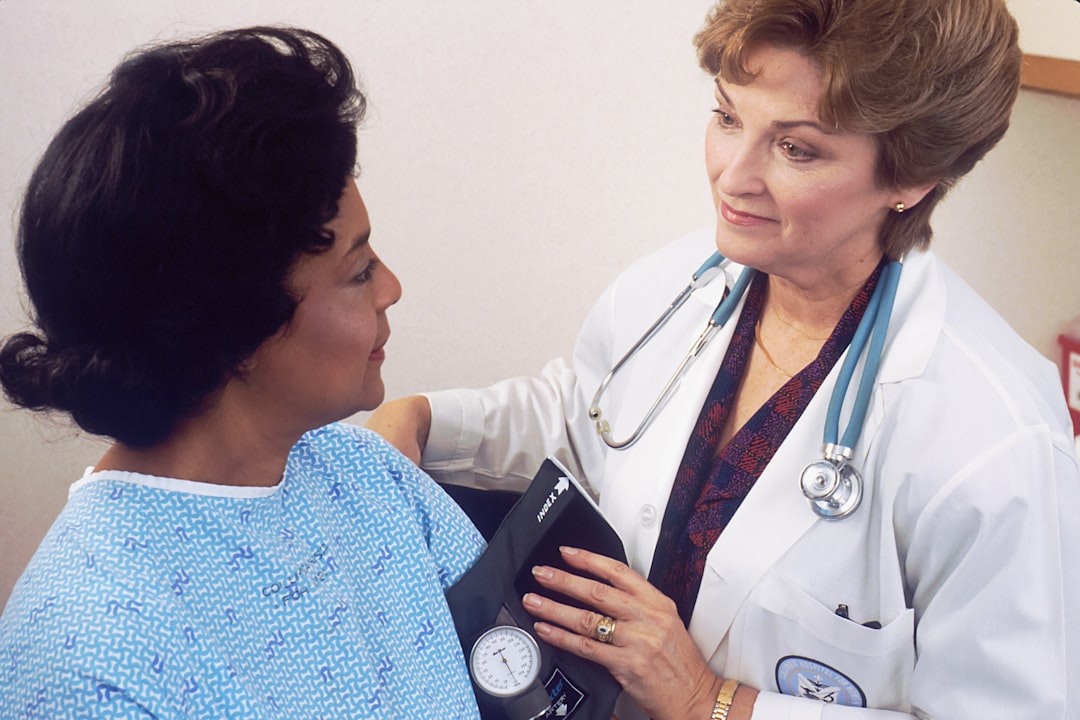
CGM reports can help clinicians see patterns that are difficult to detect with standard testing. These reports may include daily glucose graphs, time in range, average glucose, glucose variability, and the frequency of hypoglycemia or hyperglycemia.
For example, a provider may notice that glucose rises after breakfast every day, drops during afternoon exercise, or falls overnight. With that information, treatment can be adjusted more precisely. This may include changes to insulin timing, medication doses, meal composition, activity planning, or bedtime snacks.
Is a CGM a Replacement for Fingerstick Testing?
For many users, a CGM significantly reduces the need for fingerstick checks. However, it may not eliminate them entirely. Fingerstick testing may still be recommended when symptoms do not match the sensor reading, when glucose is changing rapidly, during sensor warm-up, or when a healthcare provider advises confirmation.
Each CGM system has specific instructions, so users should follow the device guidance and medical advice from their diabetes care team.
FAQ
What does CGM stand for?
CGM stands for continuous glucose monitor. It is a wearable device that tracks glucose levels throughout the day and night.
Does a CGM measure blood sugar directly?
A CGM measures glucose in interstitial fluid, not directly in the blood. The reading usually reflects blood glucose closely, but there may be a short delay during rapid changes.
Who is the best candidate for a CGM?
People with type 1 diabetes, people with type 2 diabetes who use insulin, individuals with frequent hypoglycemia, and some pregnant people with diabetes are common candidates. A healthcare provider can determine whether it is appropriate.
Can a CGM be used by someone without diabetes?
Some people without diabetes use CGMs for wellness insights, but the medical value is less clear. Data should be interpreted carefully, preferably with professional guidance.
Is inserting a CGM sensor painful?
Most users describe insertion as quick and mildly uncomfortable rather than painful. Sensitivity varies by person and by sensor location.
How long does a CGM sensor last?
Many sensors last around 7 to 14 days, while some implantable sensors may last several months. The exact wear time depends on the device.
Can a CGM help prevent low blood sugar?
A CGM can help reduce the risk by showing downward trends and sending alerts. It cannot physically prevent hypoglycemia, but it can provide early warning so action can be taken.
Does insurance cover CGMs?
Coverage varies by country, insurer, diagnosis, and treatment plan. Many insurance plans cover CGMs for people who use insulin or have documented hypoglycemia risk.
Is a CGM worth it?
For many people who need close glucose monitoring, a CGM is highly valuable. It can improve safety, reveal patterns, and support better treatment decisions when used with medical guidance.