Reverse osmosis membranes are the heart of any RO water treatment system, whether used in residential purification, industrial processing, or municipal supply. Their performance and lifespan directly affect water quality, operating costs, and system reliability. While modern RO membranes are engineered for durability, premature fouling, scaling, or chemical damage can drastically reduce their useful life. Adopting disciplined maintenance practices is therefore not optional; it is essential for protecting the investment and ensuring consistent, safe water production.
TLDR: Proper pretreatment, controlled operating conditions, routine cleaning, and careful monitoring are the most effective ways to extend RO membrane life. Preventing fouling and scaling is far easier and cheaper than restoring damaged membranes. Using the right chemicals at the right time avoids irreversible harm. A structured maintenance program can add years of reliable service to RO membranes.
Understand the Factors That Shorten Membrane Life
Before discussing maintenance strategies, it is important to understand why RO membranes fail prematurely. The most common causes include particulate fouling, biological growth, mineral scaling, and chemical degradation. Each of these issues results from either inadequate pretreatment, improper operation, or insufficient monitoring.
Particles such as silt, rust, and colloids can block membrane pores and reduce permeate flow. Dissolved minerals like calcium carbonate or silica may precipitate on the membrane surface, forming scale. Microorganisms can colonize the membrane and create biofilms that are difficult to remove. Finally, exposure to oxidants such as free chlorine or incorrect pH levels can chemically damage the membrane material itself.
Invest in Effective Feed Water Pretreatment
Proper pretreatment is the single most important factor in extending RO membrane life. The goal of pretreatment is to remove or neutralize contaminants before they reach the membranes.
Typical pretreatment steps include multimedia filtration to remove suspended solids, activated carbon filtration to eliminate chlorine and chloramines, and cartridge filters to capture fine particulates. In many applications, chemical dosing is also required to control scale formation or biological growth.
- Control turbidity and silt density index (SDI): Keeping SDI within recommended limits reduces particulate fouling.
- Remove oxidants completely: Even low levels of chlorine can permanently damage thin film composite membranes.
- Use antiscalants correctly: Proper dosing prevents mineral precipitation without overdosing.
A well-designed pretreatment system should be tailored to the specific feed water chemistry, not selected based on generic assumptions.
Operate Within Design Parameters
RO membranes are designed to operate within specific pressure, flow, recovery, temperature, and pH ranges. Deviating from these parameters accelerates wear and increases the risk of irreversible damage.
Excessive operating pressure may compact the membrane, reducing permeability over time. High recovery rates can concentrate salts and foulants at the membrane surface, increasing scaling potential. Elevated temperatures accelerate chemical reactions and material degradation.
- Maintain feed pressure within manufacturer limits.
- Avoid sudden pressure or flow changes that stress the membrane.
- Adjust recovery rates based on feed water quality.
Consistent, stable operation is far less damaging than frequent start-stop cycles or aggressive operating conditions.
Implement Routine Monitoring and Record Keeping
Systematic monitoring allows operators to detect early signs of membrane fouling or degradation, often before irreversible damage occurs. Key indicators include normalized permeate flow, salt rejection, pressure drop, and differential pressure across stages.
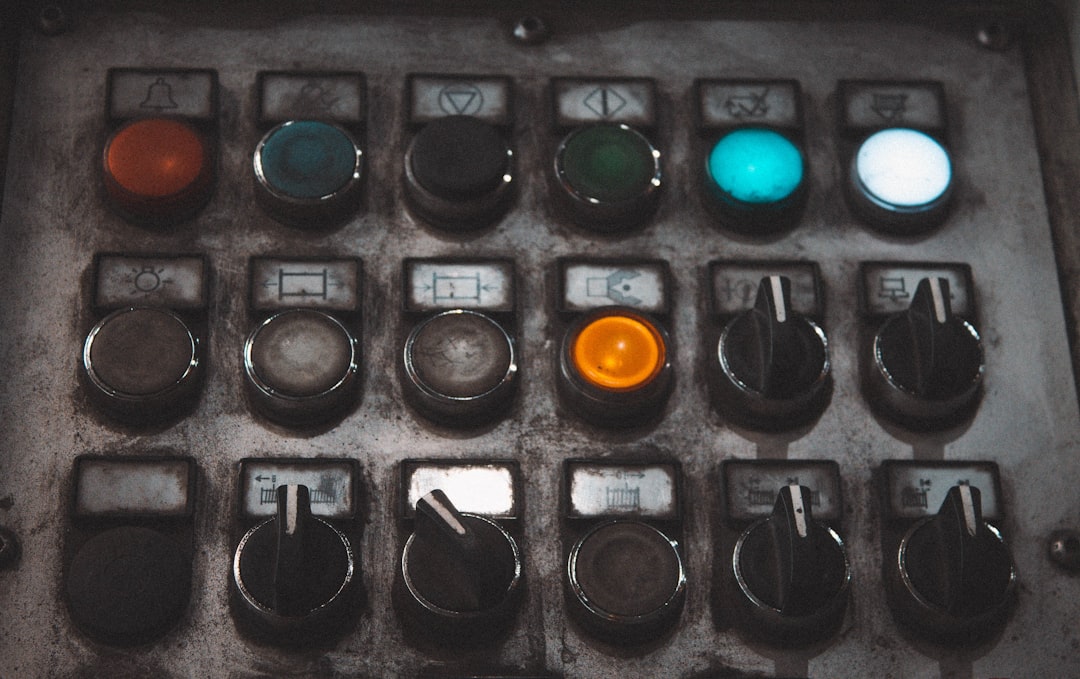
By recording and trending these parameters, small deviations from baseline performance can be identified and corrected promptly. For example, a gradual increase in pressure drop usually signals fouling, while declining salt rejection may indicate chemical damage or membrane wear.
- Track normalized data: Normalization accounts for temperature and pressure variations.
- Review trends weekly or monthly: Patterns are more meaningful than single data points.
- Document maintenance actions: Accurate records support better troubleshooting.
Consistent documentation also helps validate warranty claims and improve long-term system design.
Clean Membranes at the Right Time
Chemical cleaning is an essential maintenance practice, but it must be done correctly and at the appropriate time. Cleaning too late allows fouling to become compacted and difficult to remove. Cleaning too often, on the other hand, exposes membranes to unnecessary chemical stress.
Image not found in postmetaIndustry best practice recommends cleaning when normalized permeate flow declines by 10–15%, or when pressure drop increases by 15–20% from baseline. The cleaning procedure should be based on the type of fouling present.
- Acid cleaners: Effective against mineral scale.
- Alkaline cleaners: Used for organic and biological fouling.
- Temperature and pH control: Critical to avoid membrane damage.
Always follow membrane manufacturer guidelines for cleaning chemicals, concentrations, contact time, and temperature limits.
Prevent Biological Fouling Proactively
Biofouling is among the most challenging problems in RO systems because once established, it is difficult to remove completely. Prevention is far more effective than remediation.
Maintaining low nutrient levels in feed water, ensuring proper disinfection upstream, and avoiding stagnant conditions in piping all reduce biological growth. Periodic sanitization of pretreatment components can also limit bacterial colonization.
- Minimize system downtime or flush during shutdowns.
- Ensure consistent removal of organic matter.
- Monitor for sudden increases in pressure drop.
Addressing early signs of biofouling helps avoid aggressive cleanings that shorten membrane lifespan.
Handle and Store Membranes Correctly
Improper handling during installation or storage can damage membranes before they even enter service. Membranes should be kept moist at all times and protected from freezing or excessive heat.
When membranes are removed from service, they must be preserved using appropriate storage solutions recommended by the manufacturer. Allowing membranes to dry out encourages biological growth and irreversible performance loss.
Train Personnel and Follow Standard Procedures
Even the best equipment and chemicals cannot compensate for inadequate operator training. Personnel should understand system design, membrane limitations, and proper response to abnormal conditions.
Standard operating procedures reduce variation in maintenance practices and ensure that cleaning, shutdown, and restart processes are carried out safely and consistently. Routine audits of procedures can identify gaps before they lead to membrane failure.
Conclusion
Extending RO membrane life is not achieved through a single action, but through a disciplined approach to system design, operation, monitoring, and maintenance. By focusing on effective pretreatment, stable operating conditions, timely cleaning, and informed personnel, operators can significantly reduce fouling, prevent premature damage, and maximize the return on their RO investment. Over time, these best maintenance practices translate into lower operating costs, improved system reliability, and consistently high water quality.