Local restaurants face numerous challenges when it comes to establishing themselves in a competitive market. Whether it’s sourcing fresh ingredients, securing favorable vendor agreements, or staying top-of-mind with suppliers, every touchpoint matters. One often overlooked but powerful tool in strengthening vendor relationships is the humble business card. In the digital age, where emails and LinkedIn requests often dominate communication, the tactile value of a well-designed business card delivered in person can make a lasting impression. For restaurant owners, turning to professional business card makers is not just about exchanging contact information—it’s a strategic move for effective networking.
TLDR: Local restaurant owners can significantly enhance their vendor networking strategies by using professionally designed business cards. These cards serve as powerful first impressions, build credibility, and help foster lasting connections with suppliers. Utilizing business card makers allows restaurants to create designs that reflect their brand while ensuring quality, consistency, and memorability. An intentional approach to business card distribution during conferences, deliveries, and networking events can result in stronger business partnerships.
The Importance of Business Cards in Vendor Relationships
When restaurant owners meet local farmers, produce distributors, butchers, craft beverage suppliers, or equipment providers, they’re not just chatting—they’re building potential long-term relationships. A professionally designed business card serves as a tangible extension of the restaurant’s identity. It communicates seriousness, attention to detail, and brand consistency, all of which are crucial when trying to leave a lasting impression.
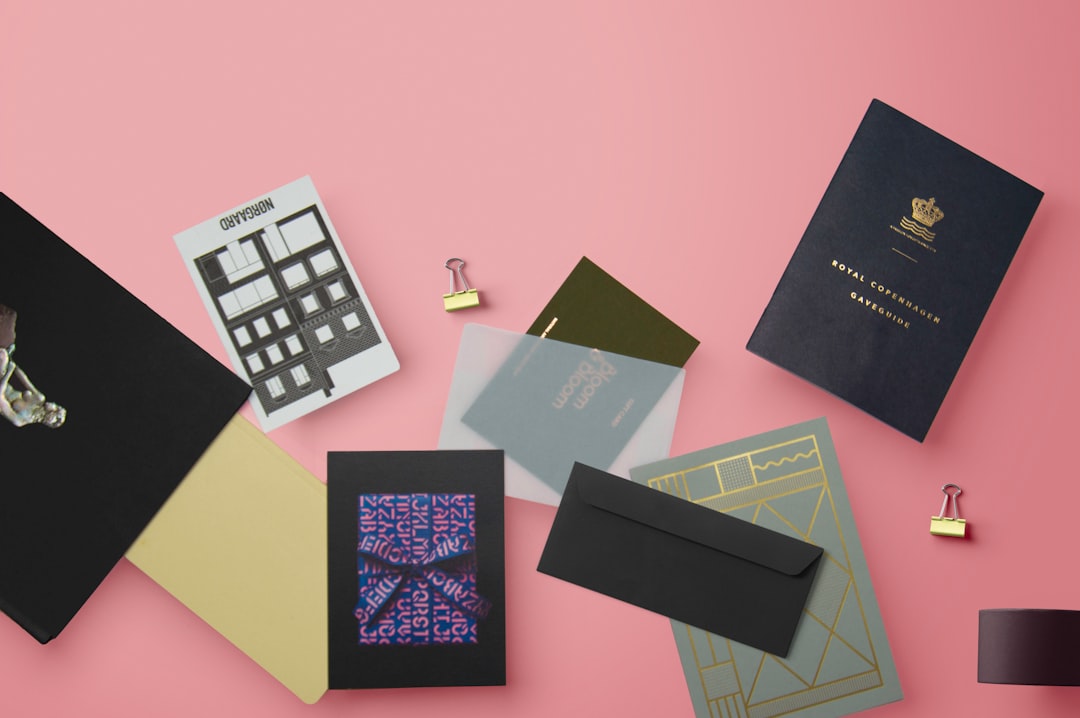
In many cases, the quality of a business card can reflect the quality of the restaurant business itself. Vendors, especially smaller local suppliers, often value face-to-face interactions and traditional tools like business cards more than digital alternatives, which can seem impersonal or easy to forget. A well-crafted card keeps the restaurant’s name at the forefront and raises the chance of better service terms or partnership opportunities.
Why Use a Professional Business Card Maker?
Though it might be tempting to whip up a design using a free online template, relying on professional business card makers yields several key advantages:
- High-Quality Materials: Professional services allow restaurants to print on premium card stock, offering better durability and a more impressive feel.
- Custom Design Options: Designers can create cards that reflect the ambiance, cuisine, and vibe of the eatery—from elegant and minimalist to fun and rustic.
- Consistency Across Teams: Having a uniform design ensures that cards distributed by chefs, managers, and marketing staff all reflect the brand coherently.
- Print Accuracy: Issues like incorrect coloring and pixelation are avoided when professionals handle the process, ensuring every card is pristine.
Popular card makers like Vistaprint, Moo, and Canva Pro offer both custom designs and scalable printing solutions, making them highly favorable for restaurant use.
Key Features to Include on a Restaurant Business Card
A business card isn’t just a name and number—it should strategically include elements that reflect the restaurant’s branding while also making it easy for vendors to follow up. Here’s a recommended checklist:
- Restaurant name and logo
- Owner or contact person’s name and title
- Contact details: such as phone number, email address, and website URL
- Physical address if relevant for deliveries or visits
- Tagline or slogan to convey personality
- QR code that links to a digital menu, partnership page, or supplier inquiry form
Incorporating both form and function ensures the card is memorable and practical.
When and Where to Use Business Cards for Vendor Networking
Finding the right moments to distribute business cards makes all the difference in vendor relationship development. Consider the following strategic opportunities:
- Trade Shows and Local Food Events: These are golden opportunities to meet multiple vendors in one place.
- On-Site Deliveries: When suppliers stop by the restaurant, hand them your card with a thank-you note or sample dish.
- Farmers Markets: A great place to meet potential produce partners and leave a lasting calling card.
- Vendor Meetings: Always exchange cards during scheduled supplier discussions or tastings.

Beyond placement and timing, your presentation matters. Use cardholders, branded envelopes, or combine with small gourmet samples to make a standout impression.
Custom Design Inspirations for Restaurants
A restaurant’s business card should feel like an appetizer to the brand’s identity. For example:
- Upscale Italian Bistro: Think deep maroon with gold foil lettering, classic script fonts, and a glossy finish.
- Farm-to-Table Café: Consider using recycled paper, earthy tones, and hand-drawn vegetable sketches.
- Fusion Street Food Truck: Explore bright colors, bold typography, and QR code links to a rotating menu.
By aligning the design with what the restaurant stands for, owners can spark interest and provide contextual memory triggers for vendors post-meeting.
Digital vs. Physical: Why Physical Still Matters
In an increasingly digital world, some may wonder whether physical business cards are archaic. The truth is, they’re more relevant than ever in local networking. Unlike digital contacts that can be buried in inboxes, a physical card remains a tangible reminder of a connection. Many local vendors also operate in less tech-driven environments, and personal touches still carry substantial weight.
That said, hybridizing the strategy with a QR code, NFC-enabled contact sharing, or a digital card backup can be helpful for tech-savvy recipients. But hand a great-looking card to a farm vendor at 6 AM in the field? That tends to leave a bigger impression.
Frequently Asked Questions (FAQ)
-
Q: How many business cards should a restaurant print for networking purposes?
A: It depends on the size of your operations and outreach efforts, but generally starting with 250-500 cards is advisable for initial efforts and local events. -
Q: How often should business card designs be updated?
A: Every 1-2 years, or whenever there is a rebranding, change in contact details, or major design strategy shift. -
Q: Can I include discount codes or promos on my business cards for vendors?
A: Yes! A limited-time supplier discount or partnership incentive can be a smart way to build engagement. -
Q: Is it better to hire a designer or use a business card maker platform?
A: Both options work well. Hiring a designer offers more customization, while platforms like Moo or Canva Pro are cost-effective and user-friendly for DIY. -
Q: Should restaurant managers also carry business cards or only the owner?
A: Absolutely—it’s wise for key staff, including general managers, chefs, and front-of-house leaders to carry their own cards for vendor introductions.
In conclusion, investing in professional business cards is a simple yet impactful strategy for local restaurants aiming to deepen vendor relationships. Whether working with a graphic designer or a modern card printing service, the right card can open doors to better deals, stronger alliances, and a more robust local supply chain.