People share videos more than ever. Work updates. Tutorials. Quick explainers. Once the audience grows beyond one language, a common question shows up. Can Loom translate a video with AI, or not?
This article gives a clear answer. It explains what Loom can do today, what it cannot do, and where AI fits into the picture. No guessing. No mixed signals.
What Is Loom and How It Uses AI?
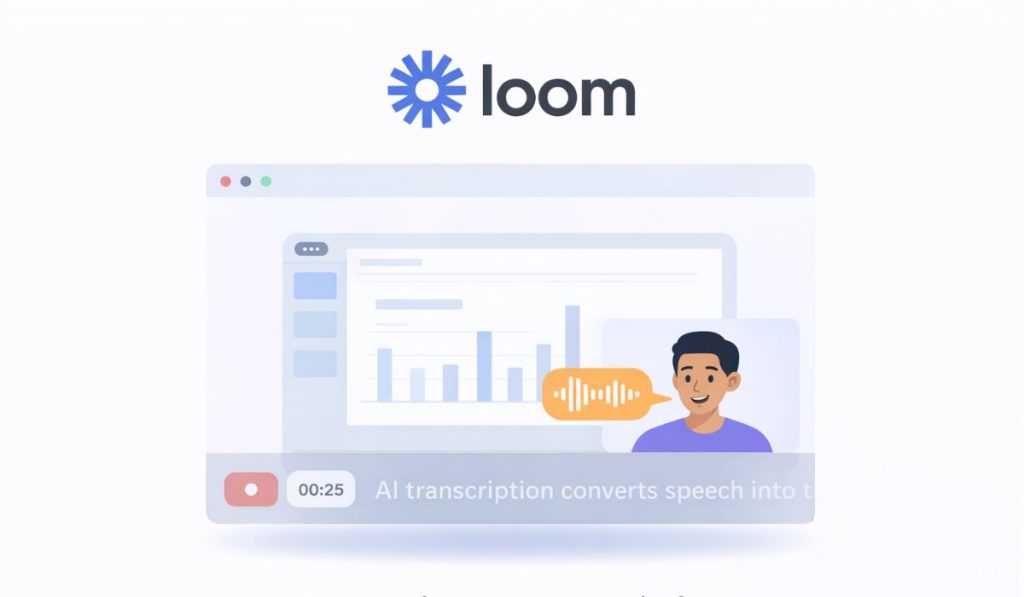 Loom is a video messaging tool. People use it to record their screen, camera, or both, then share the video with a link. It’s popular in remote work, education, and customer support.
Loom uses Artificial Intelligence mainly for text-related features. AI helps convert speech into text, organize content, and make videos easier to search and watch. This happens through Speech Recognition, not through language conversion.
That detail matters.
What AI Video Translation Really Means?
AI video translation usually involves two steps.
First, speech is turned into text using transcription.
Second, that text is converted into another language using Machine Translation.
Captions and subtitles show text on screen. Translation changes the language itself. Many tools stop at captions. Users often assume captions mean translation. They do not.
This confusion leads to wrong expectations.
Can Loom Translate a Video with AI?
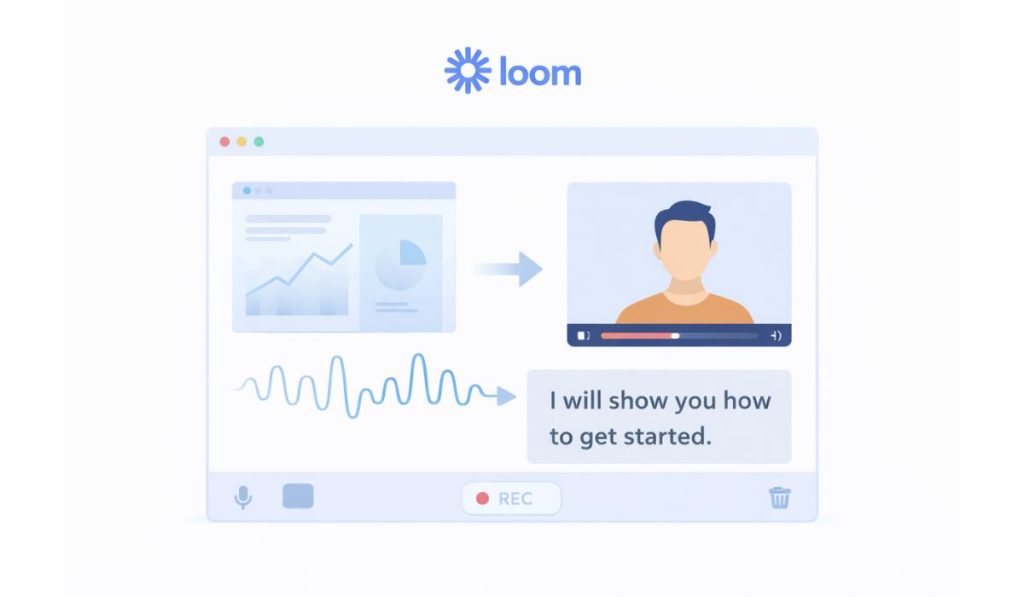 No. Loom cannot translate a video into another language using AI.
Loom does not convert spoken language from one language to another. It does not generate translated subtitles. It does not create multilingual audio tracks.
Loom focuses on transcription, not translation.
What Loom Can Do with AI Today?
Loom does offer helpful AI features, just not translation.
It can:
- Generate Automatic Captions
- Create full Transcription of spoken content
- Make video text searchable
- Improve Accessibility for viewers
These features help viewers follow along, especially non-native speakers who understand the language but prefer reading.
What Loom Cannot Do Yet?
There are clear limits.
Loom cannot:
- Translate captions into other languages
- Translate spoken audio
- Create multi-language subtitle tracks
- Replace human or external translation tools
If your audience does not understand the original language, Loom alone will not solve that problem.
When Loom’s AI Features Are Still Useful?
Even without translation, Loom still helps global teams.
English captions help viewers who:
- Speak English as a second language
- Watch videos without sound
- Want to scan content quickly
Captions improve clarity. They do not replace translation, but they reduce friction.
For many teams, this is enough.
Things to Consider Before Relying on Loom for Translation
Before you depend on Loom for language access, think about this:
- Does your audience understand the spoken language
- Do captions meet their needs
- Is full translation required
- Are external tools acceptable
- Is accuracy critical
If translation is required, Loom must be combined with other solutions.
Conclusion
Loom does not translate videos with AI. That answer is clear.
What Loom does offer is strong AI-powered transcription and captions. These features improve understanding, search, and accessibility, but they do not change the language of the video.
If you need real translation, you will need another tool alongside Loom. If captions are enough, Loom works well.
If this helped you decide, share it with your team. If you’ve found a workflow that works for multilingual videos, leave a comment and explain how you handle it.