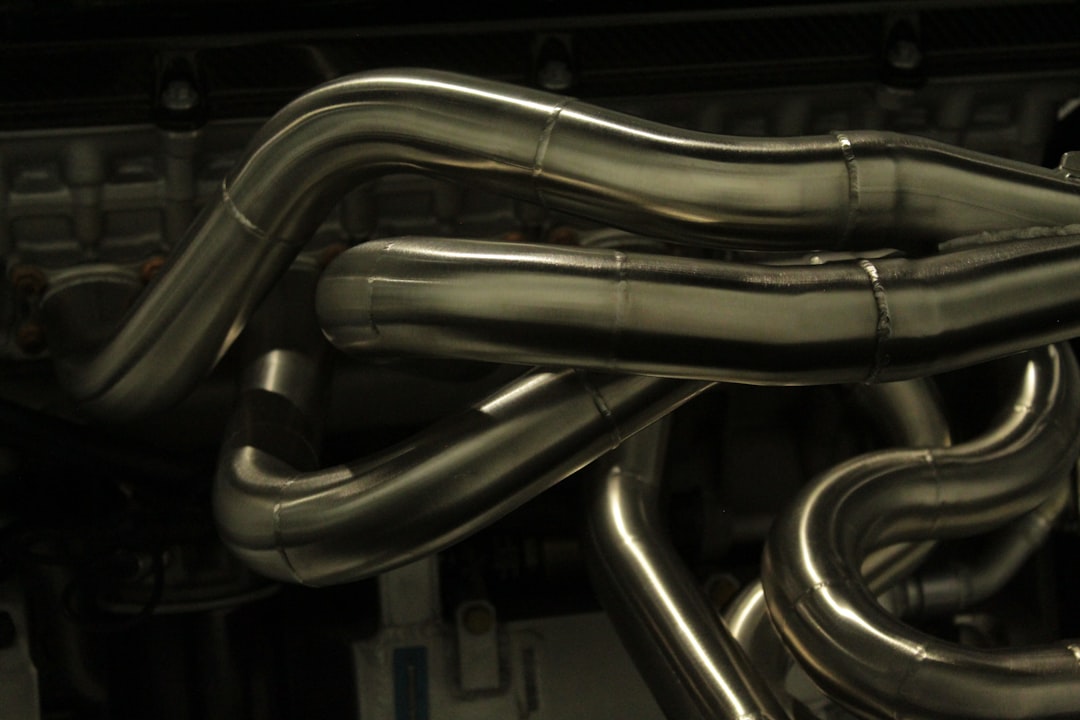
The inner workings of an automobile are a symphony of interconnected systems relying on mechanical harmony and technological precision. One such essential component, often unnoticed but critical to emissions control and engine performance, is the catalytic converter system. When trouble brews in this area, not only can performance dwindle, but vehicles may fail emissions tests, trigger check engine lights, and emit pollutants beyond legal thresholds.
TL;DR
Understanding catalytic system efficiency is crucial for maintaining vehicle performance and meeting emissions regulations. A failing catalytic converter can lead to reduced fuel efficiency, poor engine output, and emission test failures. This article covers how catalytic converters work, how to diagnose problems, and what you can do to restore proper function. Whether you’re a DIY enthusiast or a professional mechanic, gaining insights into this vital component can help save money and protect the environment.
Understanding the Role of the Catalytic Converter
The catalytic converter is an integral part of your car’s exhaust system. Its primary job is to transform harmful pollutants—like carbon monoxide (CO), nitrogen oxides (NOx), and unburned hydrocarbons (HC)—into less harmful emissions such as carbon dioxide (CO₂), nitrogen (N₂), and water vapor. It does so through a chemical reaction facilitated by precious metals like platinum, palladium, and rhodium coating a ceramic honeycomb or metallic foil inside the converter housing.
For your vehicle to comply with emissions standards and operate efficiently, the catalytic converter must maintain high efficiency. If it doesn’t, your car’s onboard diagnostics system (OBD-II) will detect the inefficiency and typically trigger the check engine light with a trouble code (most commonly P0420 – Catalyst System Efficiency Below Threshold).
How the System Works
The operation of the catalytic converter is closely monitored by the OBD-II system through the use of oxygen (O2) sensors:
- Upstream O2 sensor: Monitors the level of oxygen in the exhaust gases before they enter the catalytic converter.
- Downstream O2 sensor: Measures the oxygen content after emissions have passed through the converter.
When functioning properly, the upstream sensor shows fluctuating voltages (indicating active catalytic conversion), while the downstream sensor remains relatively stable. If the downstream sensor shows similar readings to the upstream one, it likely means the catalyst is not efficiently converting pollutants.
Signals of a Failing Catalytic Converter
Detecting signs of catalyst inefficiency can save both time and money. Be on the lookout for:
- Check Engine Light: Often accompanied by diagnostic trouble code P0420 or P0430.
- Sluggish Engine Performance: Difficulty accelerating, particularly under load.
- Decreased Fuel Economy: Incomplete combustion can lead to wasted fuel.
- Rotten Egg Smell: Indicates hydrogen sulfide buildup due to unburned fuel passing through the engine.
- Failed Emissions Test: Often the first sign for high-mileage vehicles.
It’s important to note that these symptoms can also result from other engine problems such as misfiring or faulty sensors, so comprehensive diagnostics are imperative.
Common Causes of Catalyst Inefficiency
Your catalytic converter doesn’t just degrade out of the blue. There are several underlying causes, which include:
- Engine Misfires: Unburned fuel can overheat and damage the catalyst substrate.
- Rich Fuel Mixture: Too much fuel entering the combustion chamber leads to excessive CO and HC emissions.
- Oil or Antifreeze Contamination: Internal leaks, such as a blown head gasket, can coat the catalytic surface and reduce effectiveness.
- Sensor Failure: Faulty O2 sensors can give inaccurate air-fuel ratio data, leading to improper combustion and converter strain.
Top Troubleshooting Methods
To determine whether the catalytic converter is truly the issue—and not a victim of another engine problem—mechanics and DIYers use several tools and strategies:
- OBD-II Diagnostics: Scan the vehicle for trouble codes. P0420 and P0430 often point to catalyst inefficiency. Pay attention to long-term fuel trims and short-term fuel trims to see how your ECM is compensating for air-fuel balance.
- Live Data Analysis: Monitor upstream and downstream O2 sensor voltage curves using a scan tool. Look for patterns—a healthy system will show fluctuations on the upstream sensor while the downstream trace remains flat.
- Infrared Thermometer: Measure the temperature before and after the converter. A functioning catalytic converter will show a higher exit temperature due to exothermic chemical reactions.
- Back Pressure Test: A clogged converter can create back pressure. Use a pressure gauge at the O2 port to measure backflow to detect restrictions.
Incorrectly identifying the root cause can lead to unnecessary converter replacements when another faulty component is to blame. Meticulous diagnostic work can save hundreds of dollars.
Repair or Replace?
If troubleshooting confirms that the catalytic converter is indeed the problem, the big question becomes: Should you repair or replace it?
- Cleaning: Some aftermarket chemical additives offer to ‘clean’ catalytic converters. These may work in mild cases but are not a guaranteed fix if the catalyst is significantly damaged.
- Welding in a Universal Converter: Budget-friendly, but not recommended for vehicles under warranty or in states with strict emissions laws like California.
- OEM Replacement: Most reliable option but also the costliest. Recommended for newer vehicles or when required by law.

Preventing Catalytic Converter Failure
The best form of repair is prevention. Here are some ways to keep your catalytic converter in tip-top shape:
- Address Engine Misfires Immediately: Raw fuel can rapidly degrade the converter.
- Fix Oil Leaks: Prevent contaminants from reaching the exhaust stream.
- Routine Sensor Checks: A failing O2 sensor can lead to improper fueling.
- Use Quality Fuel: Additives in low-grade fuels may leave residues inside the converter.
Also, be wary of catalytic converter theft. Because converters contain valuable metals, they are frequent targets. Installing an anti-theft shield can protect your investment.
Legal and Environmental Considerations
In many regions, driving with a malfunctioning catalytic converter is not only bad for the environment; it’s illegal. Vehicles with failed emissions systems often cannot renew registration or pass vehicle inspections until repairs are made. Furthermore, fraudulent practices such as installing substandard or “off-road only” converters on road vehicles can result in hefty fines.
From an environmental perspective, a working catalytic converter reduces smog-causing pollutants and limits greenhouse gas emissions. With millions of vehicles on the road, their collective performance directly impacts urban air quality and public health.
Conclusion: Smarter Troubleshooting = Longer Lifespan
A catalytic converter isn’t just a regulatory afterthought – it’s a technologically advanced component that plays a central role in vehicle emissions and performance. Using proper diagnostic techniques, understanding catalyst behavior, and investing in quality repairs ensures your vehicle remains compliant, efficient, and eco-friendly.
Whether you’re a weekend mechanic or part of a professional auto shop, recognizing the symptoms and causes of catalytic converter inefficiency can help you make smarter decisions in both ownership and repair.