Education can change lives. It opens doors. It builds skills. It creates confidence. One place that takes this idea seriously is the Centro Politecnico Superior. Often called CPS, it stands as a strong symbol of technical and professional learning. This article is a friendly guide. It explains what CPS is, how it works, and why it matters.
TLDR: Centro Politecnico Superior, or CPS, focuses on practical and technical education. It blends theory with hands-on learning in a friendly way. Students gain real skills, clear career paths, and strong support. CPS is about learning by doing, and doing it well.
What Is Centro Politecnico Superior?
The Centro Politecnico Superior is a higher education center. It focuses on technical, scientific, and professional studies. The goal is simple. Prepare students for real jobs. And prepare them well.
CPS is known for structure. It is also known for flexibility. Students study modern topics. They solve real problems. They learn how to think, not just what to remember.
Many CPS centers are linked to public universities. Others work closely with industry. This mix keeps learning fresh. It keeps programs useful.
Why Technical and Professional Education Matters
The world is changing fast. Technology moves every day. Jobs change too. Technical education helps people keep up.
Professional education is about skills. It is about tools. It is about practice. It helps students move from classroom to workplace smoothly.
- It shortens the gap between study and work.
- It builds confidence through practice.
- It supports innovation and problem solving.
CPS understands this need. That is why it focuses on applied learning.
A Campus Built for Learning
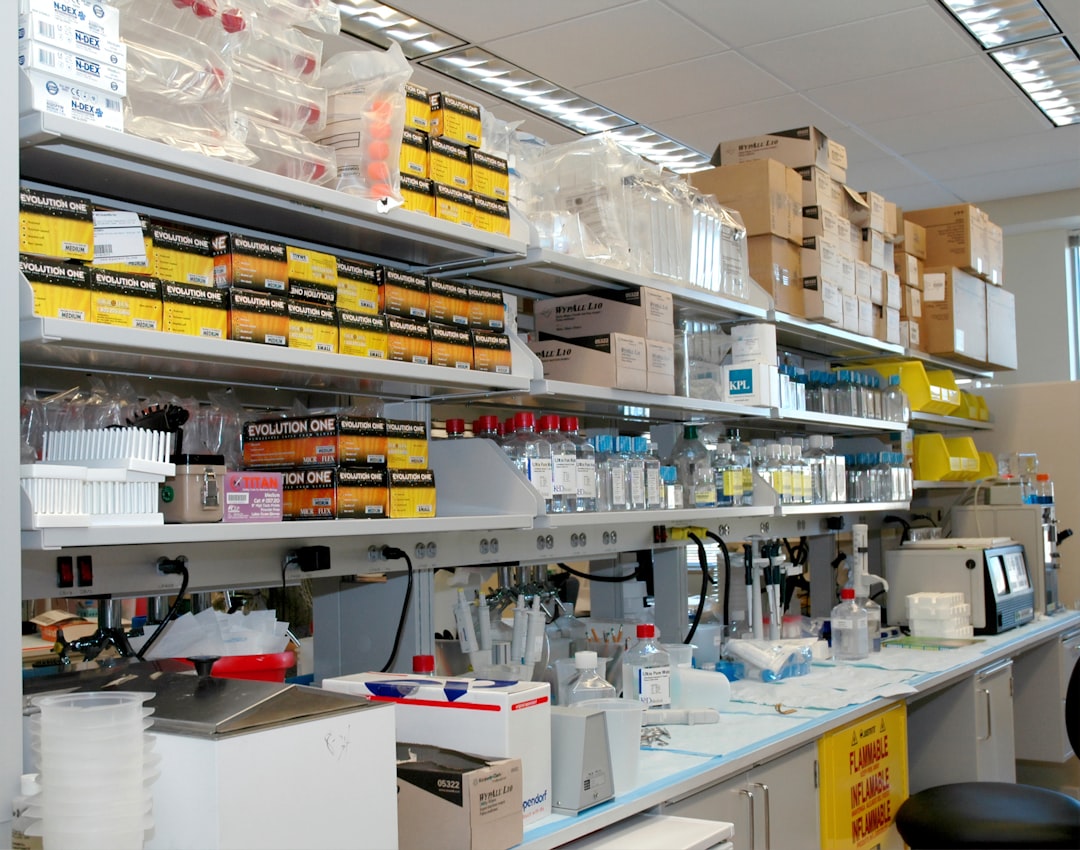
Step onto a CPS campus. You will notice the energy. Labs are busy. Classrooms are active. Students work in teams.
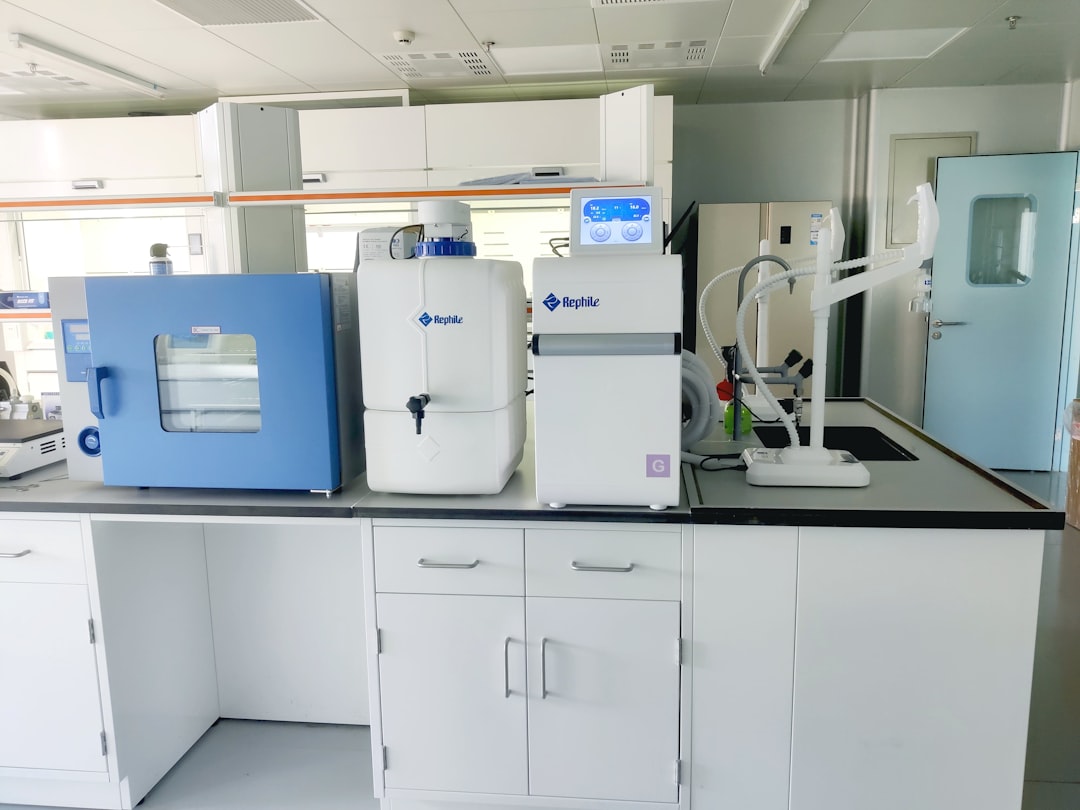
The spaces are designed for learning by doing. There are workshops. There are computer labs. There are project rooms.
Teachers move around. They guide more than lecture. Questions are welcome. Ideas are shared.
This environment helps students feel involved. It turns learning into an experience.
Programs and Areas of Study
CPS offers a wide range of programs. The exact list can change by campus. But the focus stays clear.
- Engineering and applied sciences
- Computer science and data
- Industrial design and systems
- Technology management
- Research and innovation studies
Courses mix theory and practice. A concept is taught. Then it is applied. Often right away.
Projects are common. Group work is common. This reflects real workplaces.
Teaching Style That Makes Sense
Learning at CPS is not passive. Students do not just sit and listen.
Teachers use examples. They use case studies. They use real tools.
Classes are broken into clear steps. Short explanations. Then practice. Then discussion.
This style helps students remember. It also helps them understand why things work.
- Clear goals for each class
- Frequent feedback from teachers
- Active participation from students
This method reduces stress. It builds steady progress.
Students at the Center
CPS puts students first. Support is not an extra. It is part of the system.
Advisors help with planning. Tutors help with tough subjects. Career offices help with next steps.
Image not found in postmetaNew students get guidance. Senior students get mentoring. Graduates stay connected.
This network creates a strong community. People help each other grow.
Connection With Industry
One strong point of CPS is its link to industry. This is not just talk.
Companies help design programs. Professionals give talks. Real problems enter the classroom.
Internships are common. Projects often come from outside partners.
- Students gain experience before graduating
- Employers meet future talent early
- Learning stays current and useful
This connection helps students feel ready. It helps companies trust CPS graduates.
Research and Innovation
CPS is not only about teaching. It also supports research.
Students can join projects. They work with faculty. They explore new ideas.
Research topics often solve real problems. Energy. Technology. Systems. Design.
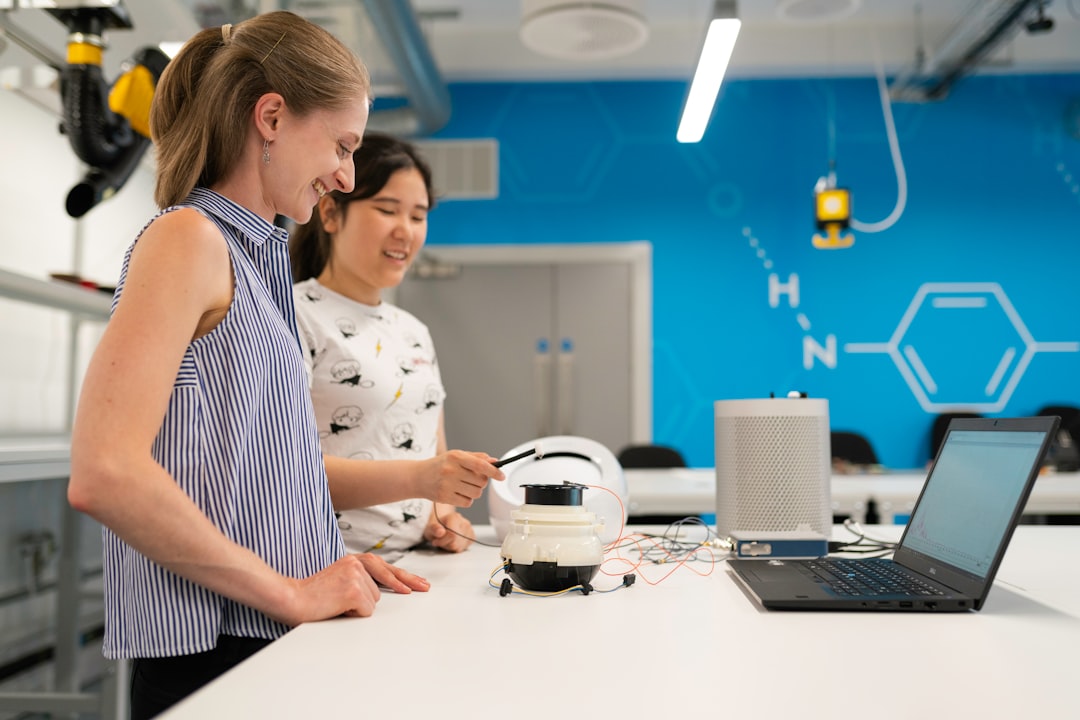
This research culture promotes curiosity. It trains students to ask good questions.
It also builds skills for advanced study or innovation roles.
Life Beyond the Classroom
Learning is not limited to classes. CPS encourages balance.
There are clubs. There are events. There are competitions.
- Technical clubs for hands on fun
- Sports and wellness activities
- Cultural and social events
These activities build soft skills. Communication. Leadership. Teamwork.
They also make campus life enjoyable.
Career Paths After CPS
Graduates of CPS move into many roles. The exact job depends on the program.
Some start working right away. Others continue studying. Many do both.
Common paths include:
- Technical specialist roles
- Engineering and design positions
- Project and operations management
- Research and development
The key advantage is readiness. CPS graduates know tools. They know processes. They know teamwork.
Why CPS Stands Out
Many schools teach theory. CPS goes further.
It connects learning to life. It respects practice. It values clarity.
Its strengths are simple but powerful.
- Practical focus in every program
- Student support at every stage
- Strong industry links for real careers
This combination creates confident graduates.
Is Centro Politecnico Superior Right for You?
CPS is a good choice for curious minds. For builders. For problem solvers.
If you like learning by doing, it fits well.
If you want clear skills and real outcomes, it makes sense.
It is not about shortcuts. It is about solid preparation.
Final Thoughts
Centro Politecnico Superior represents a clear idea. Education should work.
It should prepare people for change. It should build skills that last.
Through technical excellence, professional focus, and human support, CPS delivers this promise.
In a complex world, CPS keeps learning simple. And powerful.