For years, Canva has been a go-to design platform for bloggers and marketers who want professional visuals without mastering complex software. However, as content strategies become more sophisticated and branding more nuanced, many creators are exploring alternative design tools that offer greater flexibility, advanced features, or niche capabilities. From robust graphic design platforms to AI-powered creative suites, the landscape is broader and more powerful than ever before.
TLDR: While Canva remains popular, bloggers and marketers often turn to alternatives like Adobe Express, Figma, Visme, Snappa, and VistaCreate for specialized design needs. These tools offer advanced customization, collaboration features, animation capabilities, and deeper brand control. Some platforms focus on professional-grade design, while others prioritize speed and usability. Choosing the right alternative depends on goals, budget, and workflow preferences.
Why Bloggers and Marketers Look Beyond Canva
Although Canva is known for its simplicity, it doesn’t always meet the evolving demands of content creators. Bloggers managing multiple brand assets may need more sophisticated design systems. Digital marketers running large campaigns often require tighter collaboration tools. Agencies need scalable solutions that support advanced editing and brand governance.
Common reasons professionals explore alternatives include:
- Advanced customization beyond template limitations
- Better team collaboration and real-time editing
- Stronger brand management tools
- Enhanced animation and video features
- More control over layered design elements
Below are some of the most popular tools bloggers and marketers use instead of Canva.
1. Adobe Express
Adobe Express (formerly Adobe Spark) is often the first alternative professionals explore. Backed by Adobe’s ecosystem, it bridges the gap between beginner-friendly tools and professional-grade software.
Key strengths include:
- Integration with Photoshop and Illustrator
- Professional fonts and Adobe Stock assets
- Strong branding kits
- Advanced photo editing capabilities
Marketers working with established brand guidelines often prefer Adobe Express because it offers more control without requiring full mastery of complex Adobe software.
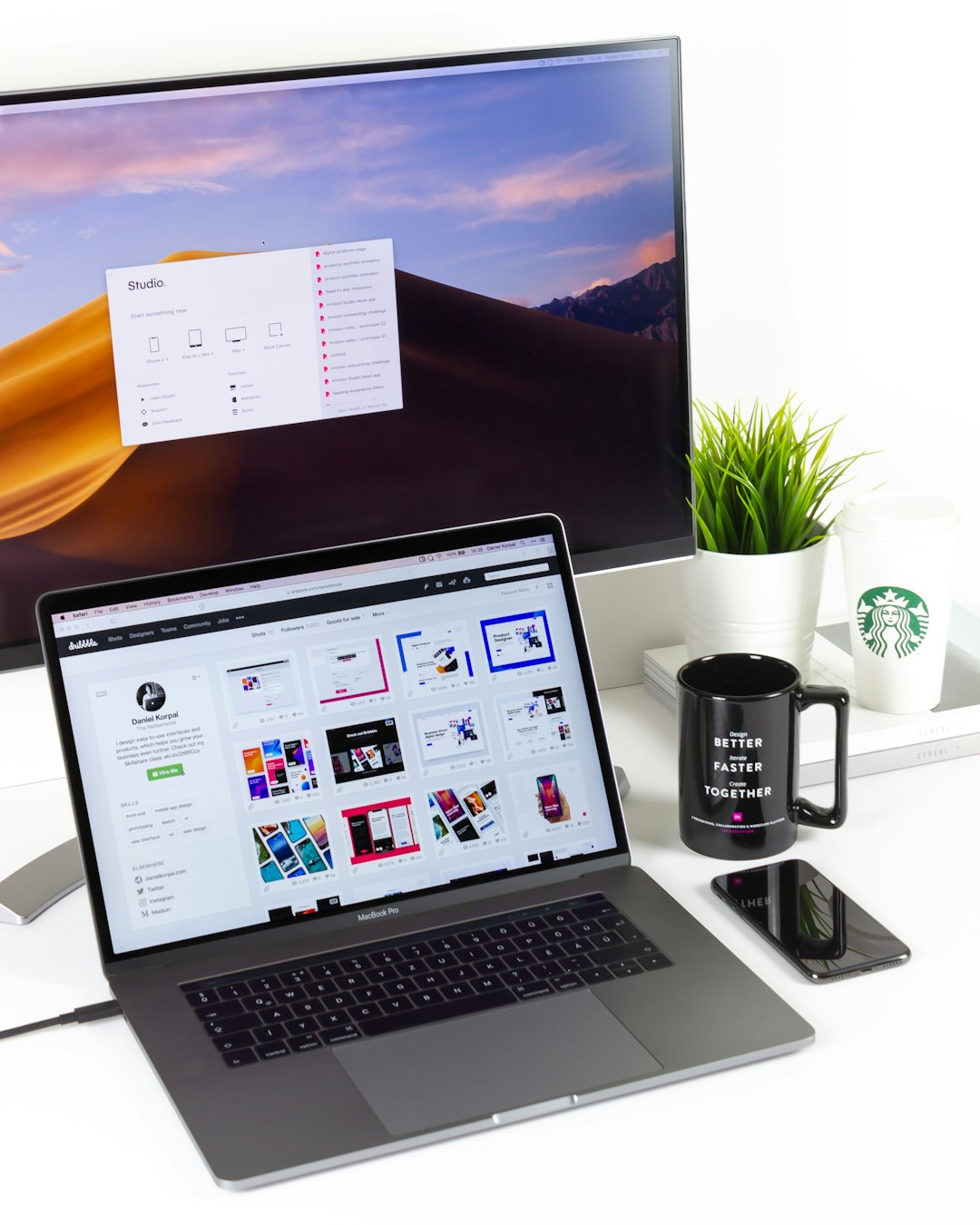
For content marketers producing ad creatives, landing page graphics, and social campaigns, Adobe Express balances efficiency with creative power.
2. Figma
Figma is not traditionally marketed as a “simple” design tool, but it has gained massive traction among marketers and bloggers who want professional precision. Originally created for UI and UX design, Figma provides unmatched collaboration capabilities.
Why marketers choose Figma:
- Real-time team collaboration
- Advanced layout control
- Reusable design components
- Scalable brand systems
Content teams managing blogs, email campaigns, website assets, and digital ads benefit from Figma’s component structure. Instead of recreating designs repeatedly, teams can build reusable brand elements.
Although Figma has a steeper learning curve than Canva, it rewards users with flexibility and professional-level customization.
3. Visme
Visme is popular among marketers focused on presentations, infographics, and data-driven content. Bloggers who publish research-heavy posts and marketers building reports often prefer Visme for its visualization tools.
Notable features include:
- Interactive charts and graphs
- Animated infographics
- Data integration capabilities
- Presentation-focused templates
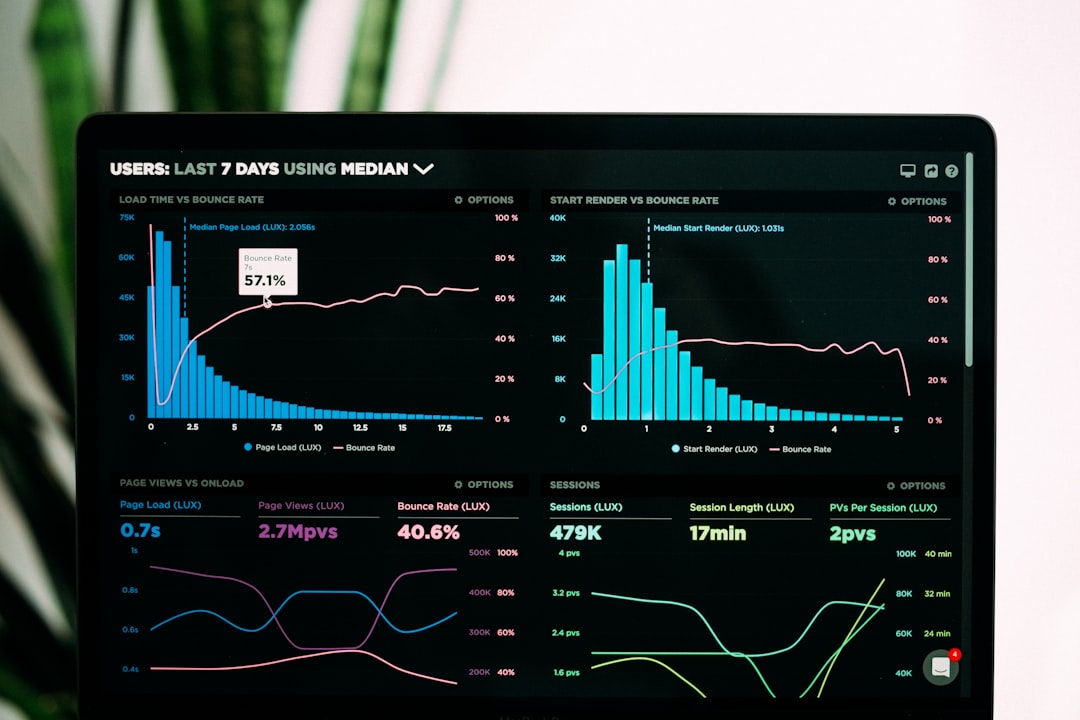
For brands that rely heavily on statistics and storytelling through visuals, Visme offers more advanced infographic tools than many entry-level platforms.
4. Snappa
Snappa is a streamlined graphic design tool designed specifically for marketers who need speed. It removes unnecessary complexity and focuses on quick creation for blogs and social media.
Ideal for:
- Blog featured images
- Social media graphics
- Online ad visuals
- Email header designs
Snappa appeals to solopreneurs and affiliate bloggers who want professional results without advanced editing requirements. While it lacks the depth of Figma or Adobe tools, it excels in efficiency.
5. VistaCreate
VistaCreate (formerly Crello) positions itself as a dynamic design tool focused heavily on animated content. Social media marketers often choose it for motion graphics and short-form animated visuals.
Key advantages include:
- Animated templates
- Large stock library
- Video editing tools
- Affordable pricing tiers

As video content continues dominating digital marketing, VistaCreate offers a practical alternative for creators needing lightweight motion graphics without complex video software.
6. Affinity Designer
For bloggers and marketers who want complete ownership of their design files without subscription fees, Affinity Designer presents a compelling option. Unlike web-based tools, it is a fully downloadable professional graphic design application.
It stands out due to:
- One-time payment model
- Advanced vector editing
- Professional illustration capabilities
- High-performance rendering
Creative entrepreneurs building digital products, eBooks, or branded assets often appreciate the depth Affinity offers.
7. Piktochart
Piktochart specializes in infographics and visual storytelling. Bloggers producing long-form educational content often turn to it for simplified layout controls tailored to data communication.
While not as versatile for social media campaigns, it excels in structured visual reports and downloadable lead magnets.
Comparison Chart: Canva Alternatives
| Tool | Best For | Collaboration | Animation | Learning Curve | Pricing Model |
|---|---|---|---|---|---|
| Adobe Express | Brand marketing campaigns | Moderate | Yes | Medium | Subscription |
| Figma | Team-based design systems | Excellent | Limited | High | Freemium |
| Visme | Infographics & reports | Good | Yes | Medium | Subscription |
| Snappa | Quick social graphics | Basic | No | Low | Subscription |
| VistaCreate | Animated social content | Good | Strong | Low | Freemium |
| Affinity Designer | Professional illustration | None | No | High | One-time purchase |
| Piktochart | Data storytelling | Moderate | Limited | Low | Subscription |
How Bloggers and Marketers Choose the Right Tool
The ideal alternative depends heavily on workflow and priorities. Bloggers who prioritize speed and simplicity may gravitate toward Snappa or VistaCreate. Marketing teams managing complex brand ecosystems often choose Figma or Adobe Express.
When evaluating options, professionals typically consider:
- Brand consistency controls
- Template flexibility
- File export options
- Integration with marketing platforms
- Scalability for growing teams
Those focused on long-term growth tend to favor solutions that scale with their businesses rather than tools built solely for quick graphic creation.
Emerging Trends in Design Tools
Many modern alternatives now integrate artificial intelligence to speed up workflows. AI-powered background removal, automated resizing, and smart layout suggestions are becoming standard features. Collaboration is also central, with cloud-based systems dominating the market.
Design platforms are evolving into complete content ecosystems rather than simple graphic tools. Bloggers and marketers increasingly want all-in-one systems that handle graphics, short-form video, presentations, and even basic web design.
FAQ
1. Why would someone switch from Canva?
Many professionals need more advanced customization, stronger collaboration tools, or specialized features like high-level vector editing or intensive infographic capabilities.
2. Which Canva alternative is best for teams?
Figma is widely recognized for real-time collaboration and scalable design systems, making it ideal for marketing teams and agencies.
3. What is the best alternative for infographics?
Visme and Piktochart both excel in infographic creation and visually presenting complex data.
4. Are there affordable alternatives?
VistaCreate and Adobe Express offer freemium plans. Affinity Designer provides a one-time purchase option without ongoing subscription fees.
5. Do these tools require design experience?
It depends on the platform. Tools like Snappa and VistaCreate are beginner-friendly, while Figma and Affinity Designer require more technical knowledge.
6. Are these tools suitable for bloggers specifically?
Yes. Bloggers frequently use these platforms to create featured images, Pinterest pins, lead magnets, infographics, and promotional graphics.
7. Is Canva still a good option?
Absolutely. Canva remains highly effective for many use cases. However, as design needs become more sophisticated, alternatives may offer greater flexibility and scalability.
Ultimately, the best tool is the one that aligns with a brand’s strategy, creative workflow, and long-term growth goals. Bloggers and marketers now have more options than ever to elevate their visual content beyond template-based design.