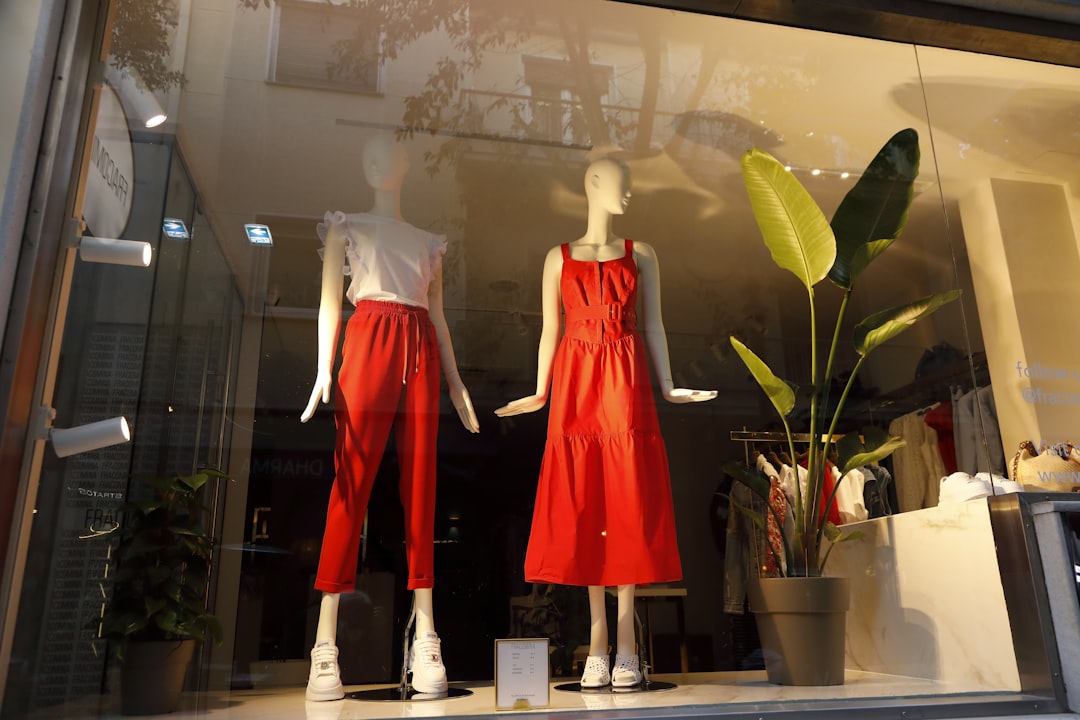
In today’s world, where fashion trends change faster than seasons, our closets may be filling up at an unprecedented pace—but at what cost? The growing concern over environmental sustainability and ethical working conditions has encouraged a global shift toward mindful consumption. This has brought two opposing approaches into the spotlight: fast fashion and slow fashion.
TLDR: Fast fashion refers to cheaply made, mass-produced clothing that follows ephemeral trends, while slow fashion promotes mindful consumption, sustainability, and ethical production. Though fast fashion offers affordability and trendiness, it comes with hidden environmental and social costs. In contrast, slow fashion emphasizes longevity and responsibility, often resulting in higher upfront costs but longer-lasting garments. Choosing between the two has broad implications for our planet, our wallets, and our conscience.
Understanding Fast Fashion
Fast fashion is a business model that replicates runway trends quickly and inexpensively so that mainstream consumers can buy current styles at a lower price. Brands like Zara, H&M, and Forever 21 have built empires on this model, releasing hundreds of new clothing items every week.
Key characteristics of fast fashion include:
- High turnover: Trends change rapidly, and consumers are encouraged to refresh their wardrobes frequently.
- Low cost: Clothes are priced affordably, making fashion accessible to many.
- Mass production: Garments are produced in bulk, often in developing countries with minimal labor regulations.
While this might seem like a win-win for fashion lovers on a budget, the fast fashion model hides a darker reality.
The Environmental and Social Cost
Fast fashion is responsible for a staggering amount of environmental degradation. Did you know the fashion industry is the second-largest consumer of water and accounts for up to 10% of global carbon emissions? On top of that, clothing waste has overwhelmed landfills, with garments taking decades to decompose.
Major environmental issues linked to fast fashion:
- Water pollution: Toxic dyes and untreated wastewater from factories often end up in rivers and oceans.
- Textile waste: Clothes are disposed of after just a few wears, increasing landfill pressure.
- Energy-intensive factories: Mass production lines consume vast amounts of electricity and fossil fuels.
Besides environmental concerns, many fast fashion brands rely on exploitative labor practices. Garment workers are typically underpaid, overworked, and subjected to unsafe working conditions.
What Is Slow Fashion?
Slow fashion, in contrast, is a movement focused on quality, sustainability, and ethical labor. It encourages consumers to buy less, choose well, and make clothing last. This approach prioritizes long-lasting style over fleeting trends.
Core principles of slow fashion:
- Quality over quantity: Clothes are made to last, reducing the need for constant replacement.
- Ethical labor: Workers are paid fair wages and operate in safe, regulated environments.
- Sustainable materials: Fabrics often include organic cotton, recycled fibers, and low-impact dyes.
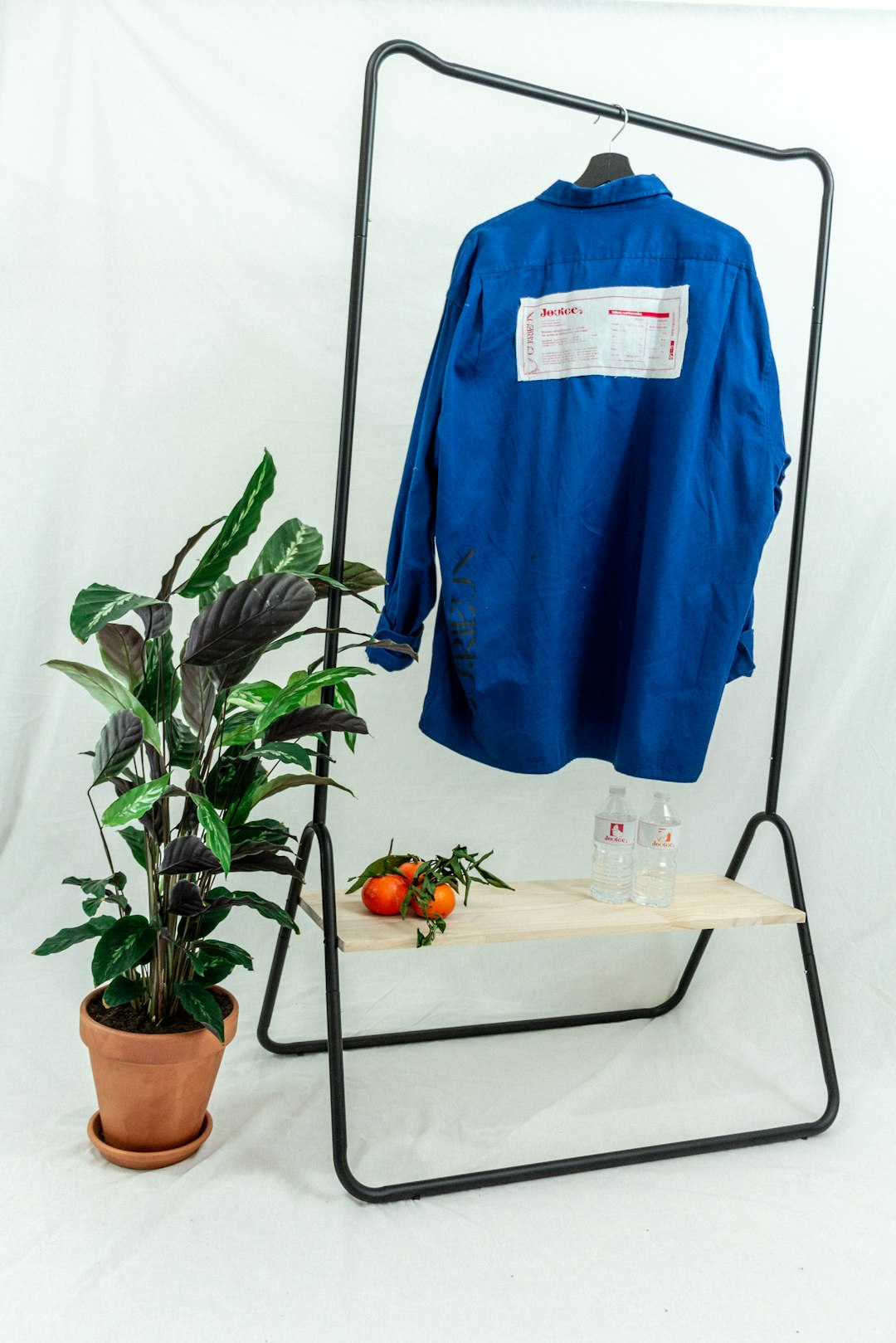
Brands such as Patagonia, Eileen Fisher, and Reformation have embraced this philosophy, offering stylish yet sustainable wardrobe options. Many designers also offer repairs, resale, and recycling programs.
Price Comparison: Fast vs. Slow Fashion
A major criticism of slow fashion is its price point. A slow fashion garment might cost 5 to 10 times more than a similar piece in a fast fashion store. However, the difference lies in the cost-per-wear. While a $15 fast fashion dress might wear out after a few uses, a $100 slow fashion piece could last for years, ultimately saving money in the long run.
Let’s break it down:
- Fast Fashion: $15 × 10 purchases/year = $150/year (replaced often)
- Slow Fashion: $100 × 1–2 purchases/year = $100–200/year (lasts longer)
When viewed through the lens of durability and versatility, slow fashion often becomes the smarter investment.
The Role of Consumers
With growing awareness, many consumers are rethinking their buying habits. Social media influencers, environmental documentaries, and global climate movements have played a huge role in spreading the message of conscious consumption.
You don’t have to give up fashion to be eco-conscious. Here are a few steps you can take as a responsible consumer:
- Buy less, choose wisely: Opt for versatile pieces that match multiple outfits.
- Support ethical brands: Do a little research before making a purchase.
- Embrace second-hand: Thrift stores, vintage shops, and online marketplaces are great resources.
- Repair and reuse: Learn basic sewing or take your clothes for professional repairs instead of tossing them.
Technological Innovations and the Future
Technology is aiding the sustainable fashion movement in exciting ways. From 3D-printed clothes to biodegradable fabrics and AI-assisted design, the fashion future is looking tech-forward and earth-friendly.
Some notable innovations include:
- Organic and lab-grown fibers: Materials like mushroom leather and seaweed fabric offer eco-friendly alternatives to conventional textiles.
- Digital fashion: Fashion houses are experimenting with AR clothing worn exclusively in virtual spaces.
- Blockchain tracing: Transparency in the supply chain helps consumers verify ethical claims.
Conclusion: Which Side Are You On?
Ultimately, the debate between fast fashion and slow fashion reflects a deeper choice between convenience and consciousness. Fast fashion may satisfy the urge for on-trend, affordable clothing, but it exacts a high toll on the environment and human welfare. Slow fashion, although less accessible in terms of price and availability, offers a more ethical, sustainable path forward.
Is one inherently better than the other? Not necessarily. The key lies in awareness. Even small changes—like wearing an outfit longer, buying second-hand, or supporting local artisans—can create a ripple effect that contributes to a more sustainable fashion industry.
Your Next Steps
If you’re inspired to make the switch or strike a balance between the two models, consider these reflective questions:
- Do I really need this item?
- Can I wear it with multiple outfits?
- Was this garment made sustainably and ethically?
- Is there a more eco-friendly alternative?
By thinking critically and acting mindfully, your wardrobe can become not only a reflection of your style but also your values.
Remember: Fashion is not just about what you wear. It’s about the impact it leaves behind.