Starting a new business often means balancing ambition with a limited budget. One small but powerful tool that frequently gets overlooked is the business card. Even in a digital-first world, business cards remain a tangible representation of a brand’s identity, professionalism, and values. For new businesses, free business card templates offer an accessible way to create a polished first impression without incurring extra costs.
TLDR: Free business card templates provide new businesses with an affordable way to look professional from day one. They save time, reduce design costs, and offer customizable layouts suitable for many industries. With the right template choice, even startups with no design background can create memorable and effective business cards. The key is selecting, customizing, and printing them thoughtfully.
Business cards have evolved beyond simple rectangles with contact details. Today, they are strategic branding tools that communicate credibility and trust in seconds. For startups and small businesses operating on tight budgets, free business card templates remove many barriers associated with professional design. They allow entrepreneurs to focus resources on growth while still maintaining a cohesive brand image.
Why Business Cards Still Matter for New Businesses
Despite the prevalence of digital networking tools, business cards continue to play an important role in face-to-face interactions. A well-designed card gives potential clients, partners, or investors something physical to remember a business by. For new businesses, this tangible reminder can be the difference between being forgotten or followed up with.
Business cards also signal seriousness and preparedness. Handing over a thoughtfully designed card suggests that the business owner is organized and invested in their company’s future. Free templates help ensure this professionalism without the expense of hiring a graphic designer.
What Are Free Business Card Templates?
Free business card templates are pre-designed layouts that can be customized with a company’s own information, colors, and logo. They are often provided by design platforms, printing services, or marketing software providers. These templates are typically available in common sizes and formats suitable for both digital use and physical printing.
Most templates cater to various industries, such as technology, real estate, beauty, consulting, and retail. This variety allows new businesses to select a design that aligns closely with their brand personality. Even without design experience, users can create attractive cards by adjusting text, fonts, and colors within predefined structures.
Benefits of Using Free Business Card Templates
One of the most obvious advantages is cost savings. New businesses frequently operate under financial constraints, and eliminating design fees can make a real difference. Free templates provide a professional starting point without upfront investment.
Another benefit is time efficiency. Templates significantly reduce the time required to design a card from scratch. Entrepreneurs can select a layout, customize it, and prepare it for printing in a matter of minutes, allowing them to focus on other important tasks.
Consistency is also a major advantage. Templates are often part of broader branding systems that include matching letterheads, social media graphics, and marketing materials. This helps new businesses maintain a consistent visual identity across multiple channels.
Key Elements of an Effective Business Card Template
Not all templates are created equal. For a new business, certain elements are especially important. A clear hierarchy of information ensures that the most important details, such as the business name and contact information, stand out. Fonts should be legible, even at small sizes.
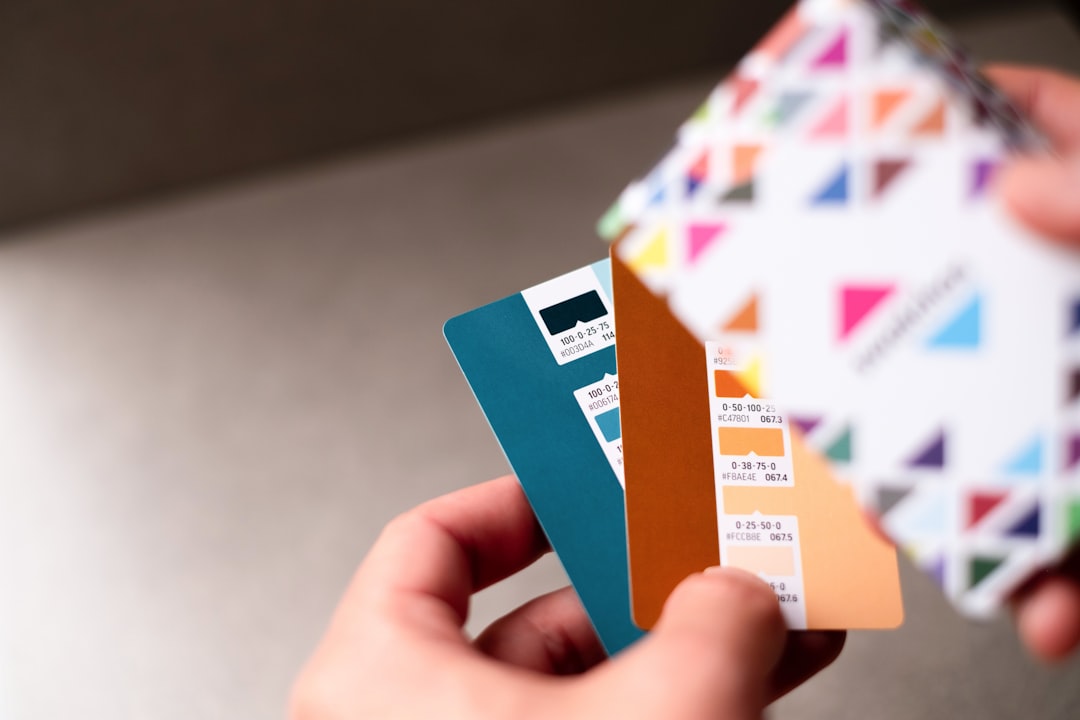
Color choices also play a significant role. Templates that allow easy color customization make it possible to align the card with brand colors. Additionally, whitespace should be used intentionally to avoid clutter and improve readability.
- Business name and logo presented prominently
- Name and title of the cardholder
- Contact details such as phone, email, and website
- Optional elements like social media icons or a tagline
Where New Businesses Can Find Free Templates
There are many reliable sources for free business card templates. Online design platforms often provide libraries of customizable templates that can be edited directly in a browser. Printing companies may also offer free designs optimized for their printing services.
Some office software programs include built-in templates that can be downloaded and edited offline. These are especially useful for businesses that prefer working without an internet connection. Regardless of the source, it is important to check usage rights to ensure the template can be used for commercial purposes.

How to Customize a Free Template Effectively
Customization is where a free template becomes truly unique. New businesses should start by replacing placeholder text with accurate and up-to-date information. Care should be taken to avoid overcrowding the card with unnecessary details.
Adjusting colors and fonts to match brand guidelines can elevate a simple template into a strong branding asset. Adding a logo, even a simple one, further reinforces brand recognition. Entrepreneurs should also consider whether a vertical or horizontal orientation best suits their industry and brand personality.
Before finalizing the design, it is wise to review the card at actual size. This ensures that text remains legible and that no elements are too close to the edges, which could cause issues during printing.
Printing Considerations for Free Templates
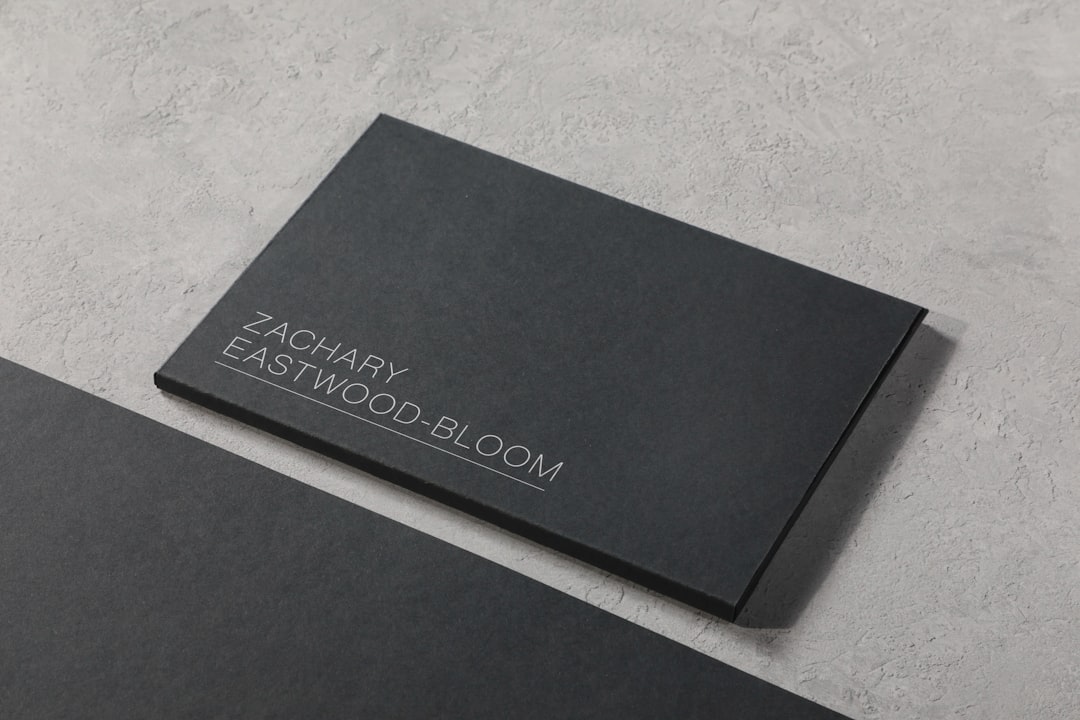
While the template itself may be free, printing is still an important consideration. Paper quality, finish, and thickness all influence how the card is perceived. A minimalist template printed on sturdy cardstock can feel far more premium than a complex design on thin paper.
New businesses should also consider finish options such as matte or glossy coatings. Matte finishes often appear more modern and reduce fingerprint marks, while glossy finishes can make colors appear more vibrant. Many online printers provide affordable options suitable for startups.
Common Mistakes New Businesses Should Avoid
One common mistake is choosing a template solely based on appearance without considering readability. Overly decorative fonts or busy layouts can make information hard to find. Another issue is including outdated or incorrect contact information, which can undermine credibility.
It is also important to avoid over-branding. While logos and colors are essential, too many visual elements can distract from the card’s purpose. Simplicity often delivers the strongest impact, especially for new businesses trying to establish trust.
The Long-Term Value of Starting with Free Templates
Free business card templates are not just a temporary solution. For many businesses, they serve as a testing ground for branding ideas. As the company grows, insights gained from early designs can inform more advanced branding efforts.
Starting with free templates allows businesses to iterate quickly and affordably. If branding evolves or contact details change, updating a template is far easier than redesigning from scratch. This flexibility is especially valuable during the early stages of business development.
Frequently Asked Questions
-
Are free business card templates suitable for all industries?
Yes, most platforms offer templates designed for a wide range of industries, from creative services to professional consulting. -
Do free templates look unprofessional?
No, when chosen and customized carefully, free templates can look just as professional as paid designs. -
Can free business card templates be used for commercial purposes?
In most cases, yes, but it is important to review the licensing terms provided by the template source. -
Is it necessary to hire a designer later on?
Not always. Many businesses continue using templates, while others choose to invest in custom design as they scale. -
How often should a business card be updated?
Cards should be updated whenever branding, roles, or contact information changes to ensure accuracy.