Low-code platforms are changing how startups build software. Fast launches matter. Small teams matter. Budget matters even more. That’s why many founders look beyond big names like OutSystems and explore other tools that feel lighter, cheaper, or more flexible.
TLDR: Startups often explore alternatives to OutSystems because they want lower costs, simpler pricing, and faster setup. Many newer platforms offer flexible integrations, better startup-friendly plans, and easier learning curves. Tools like Mendix, Bubble, Retool, Appgyver, and Microsoft Power Apps compete strongly in this space. The right choice depends on your budget, technical skills, and growth goals.
Let’s break it down in simple terms. What are startups really looking for?
- Speed – Build in weeks, not months.
- Low cost – No scary enterprise contracts.
- Scalability – Grow without rebuilding everything.
- Flexibility – Connect to APIs, databases, and tools easily.
- Less complexity – Simple UI. Clean learning curve.
Now let’s explore the platforms startups often test instead of OutSystems.
1. Mendix
Mendix is often mentioned in the same breath as OutSystems. It’s powerful. It’s enterprise-ready. But it also offers more flexible entry points for smaller teams.
Why startups like it:
- Strong community support.
- Cloud-native deployment.
- Good collaboration features.
- Free tier for smaller apps.
Mendix works well for B2B startups building internal portals or workflow apps. It’s visual. It’s structured. And it doesn’t feel overwhelming once you learn the basics.

Still, it can become expensive as usage grows. So founders must plan ahead.
2. Bubble
Bubble feels different. It’s more startup-friendly. More experimental. More creative.
This tool is popular among non-technical founders. It allows drag-and-drop development. You can build marketplaces. SaaS tools. Client dashboards. All without writing code.
Why startups love it:
- Beginner-friendly interface.
- Large plugin ecosystem.
- Affordable early pricing.
- Strong community tutorials.
The downside? Complex apps may need performance tuning. But many startups reach product-market fit before they ever hit limits.
That’s often enough in early stages.
3. Microsoft Power Apps
Power Apps integrates beautifully with Microsoft 365. If your startup already uses Teams, Excel, or SharePoint, this tool feels natural.
It is especially useful for internal tools. Think HR systems. Sales dashboards. Inventory tracking.
Why it works well:
- Deep Microsoft integration.
- Enterprise-grade security.
- Low barrier for small internal tools.
- Strong automation via Power Automate.
However, if you plan to build a customer-facing SaaS product, you may find customization limitations.
4. Retool
Retool is a favorite among technical startups. It focuses on internal tools. Fast.
You connect your database. Drag components. Write small bits of JavaScript if needed. Done.
Engineers love it because it doesn’t hide logic. It enhances it.
What makes Retool shine:
- Real database connections.
- Works with almost any API.
- Fast dashboard building.
- Transparent pricing.
Retool is less about flashy front-end apps. It’s more about operational speed. Think admin panels. Monitoring tools. Analytics portals.
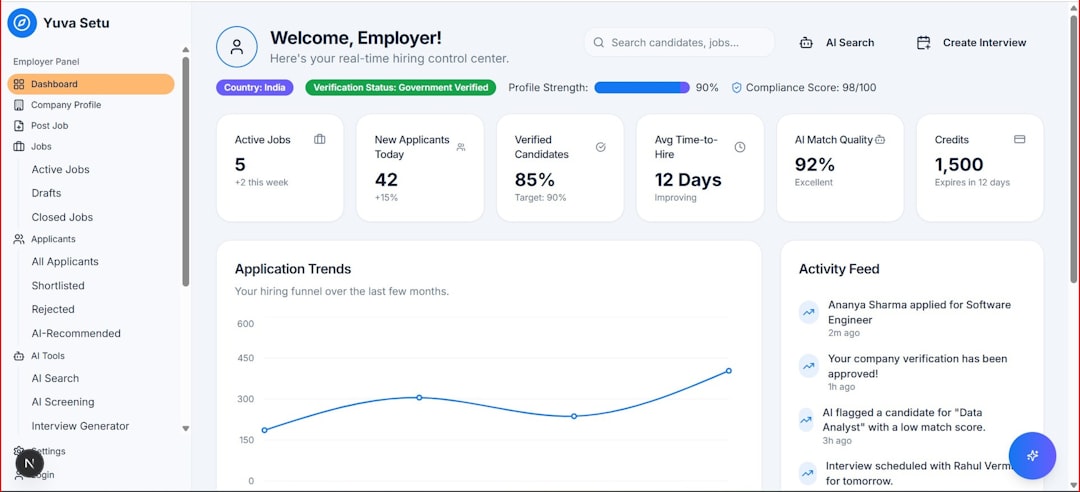
If your startup needs internal efficiency, Retool is hard to beat.
5. Appgyver (SAP Build Apps)
Appgyver, now part of SAP, has attracted startups because of its generous free offering.
You can build cross-platform apps. Web. Mobile. All from one interface.
Startups appreciate:
- Visual logic builder.
- No-code focus.
- Mobile-first capabilities.
- Free access for small teams.
It’s especially useful for MVP apps. Quick validation. Pilot programs. Internal business tools.
6. Zoho Creator
Zoho Creator is underrated. But powerful.
It works beautifully if your startup already uses Zoho products. CRM. Books. Desk.
Strong points:
- Affordable plans.
- Rapid form and workflow creation.
- Good automation features.
- Built-in database system.
It may not be flashy. But it is reliable. And sometimes boring reliability wins.
7. Webflow + Backend Tools
This one is unconventional. But many startups combine Webflow for front-end design with backend tools like Xano or Firebase.
This approach gives more design freedom. More brand control. More customization.
Why founders explore this stack:
- Beautiful UI control.
- Scalable backend services.
- API flexibility.
- No heavy enterprise contracts.
It requires slightly more coordination. But it can feel lighter than enterprise low-code platforms.
Quick Comparison Chart
| Platform | Best For | Ease of Use | Startup Cost | Scalability |
|---|---|---|---|---|
| Mendix | Enterprise-grade applications | Medium | Medium | High |
| Bubble | SaaS MVPs and marketplaces | Easy | Low | Medium |
| Power Apps | Internal Microsoft-based tools | Easy to Medium | Low to Medium | High |
| Retool | Internal dashboards | Medium | Medium | High |
| Appgyver | Cross-platform apps | Easy | Low | Medium |
| Zoho Creator | Workflow automation | Easy | Low | Medium |
| Webflow + Backend | Custom SaaS products | Medium | Medium | High |
Why Startups Look Beyond OutSystems
OutSystems is powerful. Very powerful. But power comes at a price.
Here are common reasons startups explore alternatives:
- Enterprise pricing models.
- Complex onboarding.
- Long sales cycles.
- Heavy infrastructure needs.
- Overkill for MVP stage.
Startups move fast. They test ideas. They pivot. They fail fast. They rebuild.
Many prefer tools that feel light and flexible at the beginning.
How to Choose the Right Platform
Choosing a platform is not about trends. It’s about fit.
Ask simple questions:
- Are we building an internal tool or a customer product?
- Do we have developers on the team?
- How important is custom UI?
- What is our runway?
- Will we need deep integrations?
If you want fast experiments, go lighter. If you want enterprise compliance from day one, pick a more structured tool.
There is no perfect answer. Only trade-offs.
Final Thoughts
Low-code is not just a trend. It’s a movement. It helps small teams build big things.
OutSystems remains a strong enterprise leader. But startups often explore alternatives that match their stage, size, and speed.
Mendix offers enterprise structure. Bubble empowers non-coders. Retool boosts internal productivity. Power Apps integrates with Microsoft ecosystems. Appgyver and Zoho Creator offer simple and affordable paths. Webflow combinations give ultimate design control.
The magic happens when the tool matches the mission.
Build fast. Learn faster. Choose wisely. And remember — the best platform is the one that helps your startup ship today, not someday.