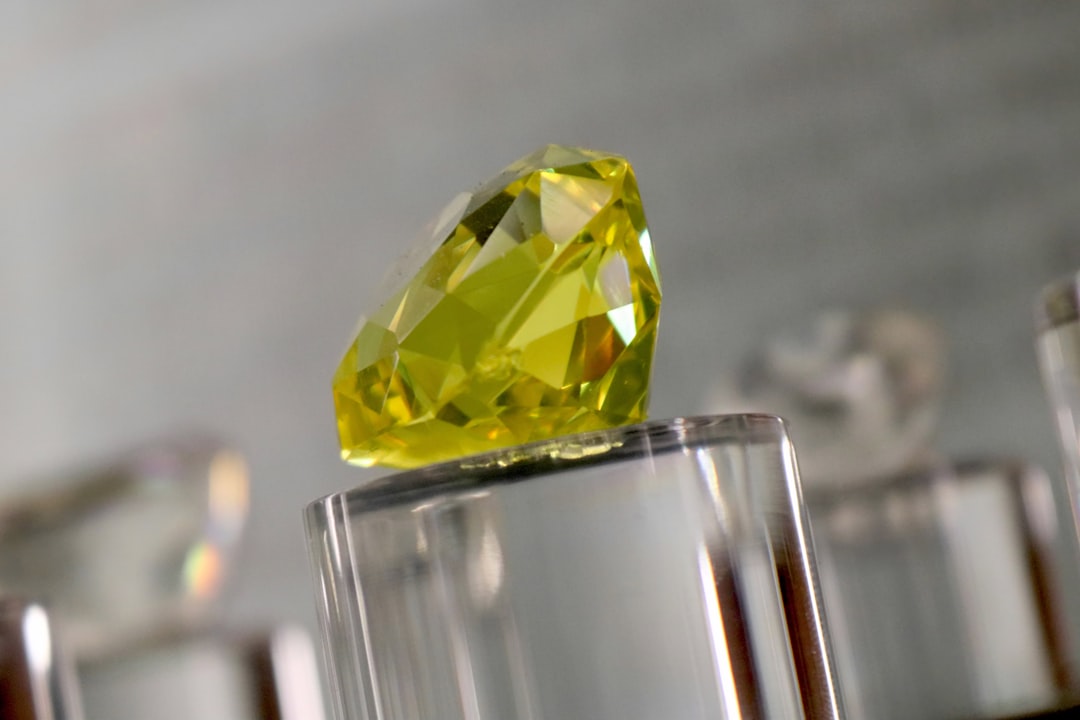
Shopping for diamonds can feel overwhelming. With so many choices, price points, and terms like “lab-grown” flying around, it’s easy to feel lost. But don’t worry — we’re here to make it sparkle and shine with simplicity! Whether you’re shopping for an engagement ring or a self-love gift, this guide will help you make a smart and stylish choice.
TL;DR — In a Sparkle-Sized Nugget:
- Lab-grown diamonds are real diamonds, just made differently.
- Stick to the 4Cs: Cut, Clarity, Color, and Carat.
- Go for certified stones only — trust but verify!
- Diamonds are emotional, but buying them can be logical too.
Step 1: Lab-Grown vs. Natural — What’s the Deal?
Let’s clear this up first. Lab-grown diamonds and natural diamonds look the same. They shine the same. They even test the same!
The biggest difference? Where they come from.
- Natural diamonds are mined from the earth. They took millions of years to form.
- Lab-grown diamonds are created in a lab using high-tech processes. They take just weeks to grow.
So if sparkle is what you’re after, both are great options. Just know that lab-grown diamonds can be 30% to 50% cheaper than natural ones. That’s more bling for your buck!
Step 2: The 4Cs — A Quick Guide to Diamond Language
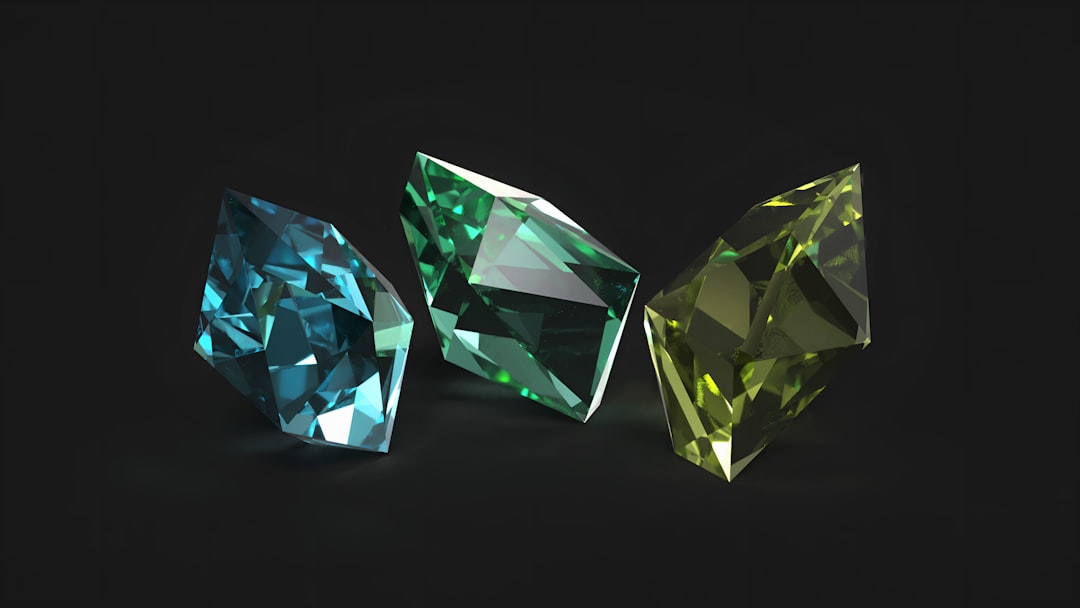
To make smart choices, you’ve got to speak the language. Meet the 4Cs — the key factors that determine a diamond’s quality and price:
- Cut – This is how well the diamond sparkles. It’s all about angles and symmetry. Always aim for an “Excellent” or “Ideal” cut.
- Clarity – Fewer flaws mean a clearer, shinier stone. But some imperfections are invisible to the eye. You can often go for a slightly lower clarity and pay less.
- Color – Diamonds are graded from D (colorless) to Z (light yellow). D-F grades are super white and also more pricey. G-J are nearly colorless and a smart choice for savings.
- Carat – This is the weight of your diamond. Bigger isn’t always better — a well-cut 0.9 carat sparkle can outshine a poorly cut 1-carat stone.
Step 3: Certification — Your Diamond’s Report Card
Would you buy a car with no title? Probably not. And the same goes for diamonds. Always ask for a certification from a trusted lab.
Top diamond grading labs include:
- GIA – Gemological Institute of America
- IGI – International Gemological Institute
- AGS – American Gem Society
Tip: When buying lab-grown diamonds, IGI and GIA are your best bet. Their reports will back up what your seller is saying.
Step 4: Budget-Savvy Sparkle
You don’t need to drop your life savings for something stunning. Use these tips to keep your wallet happy:
- Buy just under big milestone carats like 1.0 or 2.0 — a 0.9 carat can look nearly identical to a 1.0 carat but for much less cash.
- Go H-I in color, and SI1 in clarity — ideal middle ground choices that offer great sparkle without premium costs.
- Choose lab-grown if you’re budget-conscious. You can go bigger and better for less!

Step 5: Why Setting Matters
The setting is the frame to your diamond’s masterpiece. It deserves just as much thought!
Here are fun ways to pair your diamond with the perfect setting:
- Solitaire: Classic and timeless.
- Halo: Makes the center stone look bigger and extra sparkly.
- Three-stone: Symbolizes past, present, and future.
- Vintage: Full of detail and personality.
Pro Tip: White gold, platinum, and rose gold are all equally durable. It comes down to color preference.
Step 6: Questions to Ask Before Buying
Before you say yes to that diamond, ask these:
- Is this stone certified?
- Is it lab-grown or natural?
- Can I see it in natural light?
- What’s your return or upgrade policy?
Your jeweler should be open, knowledgeable, and transparent. If not? Walk away.
Step 7: Where to Shop
Online retailers often have better prices and big selections. Just be sure they offer certified diamonds and clear return policies.
Brick-and-mortar jewelers let you see the sparkle firsthand. They can also give you personalized help.
Best of both worlds? Start your search online, then go see a few diamonds in person before making your choice.
Bonus: Should You Insure Your Diamond?
Better safe than sorry, right? Insuring your diamond can protect your investment from loss, theft, or damage.
You can often add it to your existing renter’s or homeowner’s insurance. Or go with a specialized jewelry insurance provider like Jewelers Mutual.
Final Sparkle Thoughts
Buying a diamond doesn’t have to be intense or confusing. Keep it simple, trust your eyes, and stick to the facts. Whether it’s grown under the ground or in a lab, a diamond’s true value comes from how it makes you feel.
So, consider the 4Cs, get that lab report, set a realistic budget, and enjoy the sparkle of a smart choice!
Feeling more confident already? You should! Now go find your perfect gem and let it shine — just like you.