The world of fashion is evolving at breakneck speed, shaped by technology, sustainability, and an ever-growing desire for self-expression. In this transformative decade, certain key trends are standing out, revealing not just what people wear, but how they view the world around them. Whether on the runway or the street, these trends are leaving a distinct mark on global culture and redefining personal style for millions.
TL;DR: This decade in fashion has been largely shaped by sustainability, digital innovation, and the blending of gender boundaries. Vintage and Y2K aesthetics are making a major comeback, while inclusive, comfortable clothing focuses on function as much as form. Technology, individuality, and eco-consciousness are the leading forces redefining what it means to be fashionable in the 2020s.
1. Sustainability as a Style Statement
The fashion industry has long been criticized for its ecological footprint, but the 2020s have introduced a meaningful shift toward more sustainable practices. Eco-friendly materials, circular fashion, and ethical labor practices are no longer niche—they are mainstream expectations. Consumers today demand transparency, and brands are responding with innovative solutions like plant-based leathers, recycled fabrics, and limited production runs.
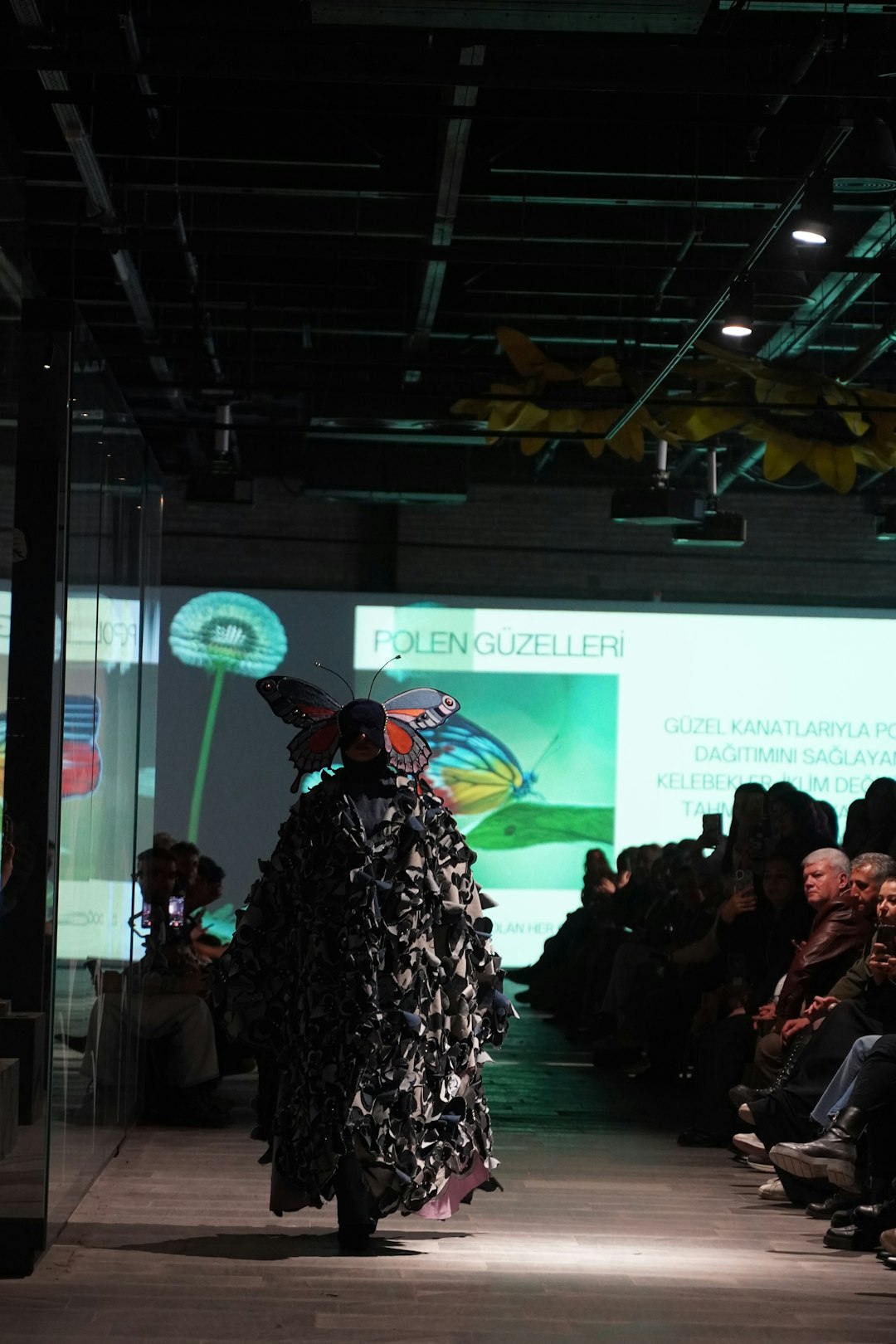
Upcycled fashion is a movement that merges creative styling with sustainability. Clothing items that were once discarded are now being reimagined into unique and desirable pieces. Top fashion houses and independent labels alike are increasingly focusing on environmental impact as a key part of their identity.
Noteworthy elements of this trend include:
- Use of organic cotton, hemp, and bamboo fabrics
- Second-hand and thrifted styling becoming chic
- Closed-loop manufacturing to minimize waste
2. The Rise of Gender-Fluid Fashion
This decade will be remembered as the period when fashion finally crossed the frontier of gender boundaries. Designers are moving beyond the traditional labels of “men’s” and “women’s” wear, embracing fluidity both in silhouette and concept. This inclusive design approach empowers individuals to dress based on identity and preference rather than convention.
Brands such as Gucci, Collina Strada, and Harris Reed are leading the charge with androgynous collections that emphasize self-expression over conformity. The use of soft tailoring, oversized shapes, and neutral color palettes enables wearers to interpret looks in versatile, personal ways.
Highlighted gender-fluid styles include:
- Flowing garments like wide-leg pants and tunics
- Unisex accessories and footwear
- Makeup and skincare marketed for all genders
3. Tech Meets Textiles: The Digital Fashion Revolution
Perhaps the most revolutionary trend of the decade is the blending of technology with fashion. From the emergence of virtual clothing NFTs to smart fabrics that adapt to the environment, digital fashion is rewriting the rules of what fashion can be. The metaverse has introduced virtual wardrobes where users buy digital outfits to dress their avatars or post images online.
This trend has also triggered remarkable innovation within physical garments themselves. Clothing with built-in sensors to track body temperature or activity levels is an emerging sector poised to grow exponentially.
Examples of this digital/tech trend include:
- Augmented Reality (AR) shopping tools
- Wearables integrated directly into fabric
- Virtual influencers wearing CGI-exclusive collections
4. Y2K Fashion Revival
From low-rise jeans to butterfly clips, the early 2000s are back—and Gen Z is leading the charge. The revival of Y2K aesthetics has brought a playful and nostalgic energy back to the fashion scene. This resurgence is characterized by bold colors, shiny textures, and a certain irreverence for conventional styling.
Social media platforms, particularly TikTok and Instagram, have accelerated this trend, allowing users to rediscover and reinterpret iconic Y2K looks from pop idols and early reality TV stars.
Key features of the Y2K trend:
- Baby tees, cargo pants, and mini skirts
- Metallics, mesh, and velour tracksuits
- Chunky accessories like platform shoes and tinted sunglasses
5. Comfort Culture: Loungewear as Daywear
The global lockdowns that marked the start of this decade have left lasting changes in dressing habits. Comfort has become paramount, and the line between loungewear and streetwear has all but disappeared. Consumers now gravitate toward clothes that feel as good as they look, embracing relaxed silhouettes and soft fabrics.
The rise of elevated basics—stylish yet simple staples like co-ord sets, joggers, and knitwear—reflects a desire for minimalist aesthetics that marry function and form.
Comfort-first fashion elements include:
- Neutral-toned matching sets
- Soft fleece, jersey, and ribbed knit fabrics
- Sneakers and slides with ergonomic design
6. Vintage Reimagined
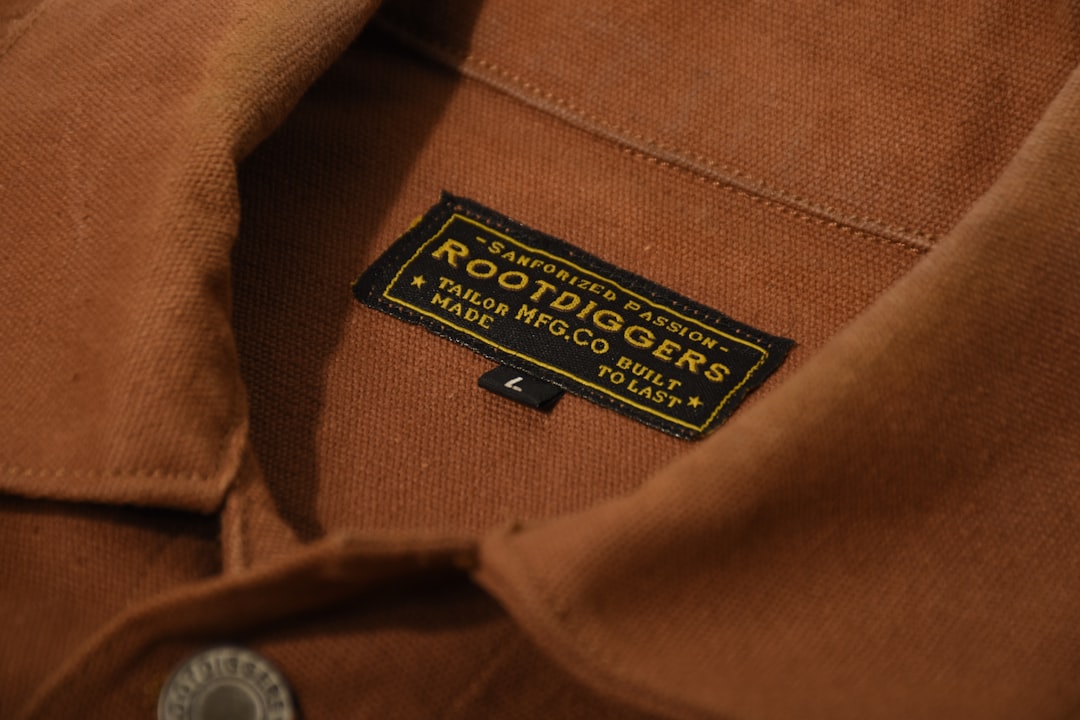
One of the more enduring trends of the 2020s is fashion’s renewed appreciation for vintage aesthetics. Beyond thrifting, this movement embraces reinterpretation—designers and consumers alike are modernizing silhouettes, prints, and tailoring from decades past. The 70s, 80s, and 90s are particularly ripe for inspiration, with exaggerated sleeves, bold prints, and structured blazers taking center stage again.
This trend also ties in closely with sustainability, as it promotes circular consumption and a deeper appreciation for craftsmanship.
Vintage resurgence essentials include:
- High-waisted denim and power suits
- Retro prints and colorblocking
- Handbags and jewelry from past designer collections
Final Thoughts
Fashion in this decade is defined by a fusion of purpose and creativity. From embracing environmental consciousness to incorporating the surreal possibilities of digital wardrobes, the trends shaping the 2020s show fashion as an ever-evolving dialogue between person, planet, and technology. As this decade progresses, expect the boundaries between categories—gender, vintage, physical, and virtual—to continue dissolving, making room for even more inclusive and imaginative expressions.
FAQs
- Q: Why is sustainability so important in fashion today?
A: Sustainability addresses fashion’s environmental and ethical impacts by encouraging eco-friendly materials, reducing waste, and ensuring fair labor practices. - Q: What does gender-fluid fashion mean?
A: Gender-fluid fashion removes traditional gender labels from clothing, allowing individuals to express themselves freely with unisex or androgynous styles. - Q: What is digital fashion, and do people actually buy it?
A: Digital fashion includes virtual clothing worn in online spaces or social media; yes, people buy these items for avatars or digital photos. - Q: Is the Y2K trend just for young people?
A: No, while Gen Z initiated its resurgence, many people across age groups are embracing the nostalgia and creative aspects of Y2K fashion. - Q: Will comfort-first clothing fade out post-pandemic?
A: Unlikely—consumers now prioritize comfort, and designers continue to create stylish yet relaxed collections that meet these needs. - Q: What’s the difference between vintage and thrift fashion?
A: Thrift fashion involves buying second-hand, often from modern times, while vintage refers to older, usually decades-old clothing with distinct historical styles.