Making your website more usable isn’t just a good idea—it’s a must. Users with disabilities deserve a smooth online experience just like anyone else. And luckily, you don’t have to be a coding wizard to make that happen. There are tons of easy-to-use web accessibility widgets and plugins that can help.
TLDR: You can make your website more accessible with simple tools. These web accessibility widgets and plugins help users with sight, mobility, and hearing issues. They’re easy to install and make a big difference. Everyone deserves to surf the web with ease—these tools help make that possible!
Why Accessibility Matters
Let’s be real. The web should be for everyone. But for users who are blind, deaf, or have mobility challenges, many websites are like locked doors. Accessibility tools unlock those doors. They help users navigate content, read text, and access features that non-disabled users take for granted.
That’s why adding accessibility tools is a smart move. It’s also the law in many places. More importantly, it shows you care.
Top Web Accessibility Widgets and Plugins
1. UserWay
UserWay is one of the most popular accessibility widgets out there. It adds a floating menu to your site that users can open anytime they want help.
- Text size adjustments
- Screen reader support
- High contrast and color changes
- Keyboard navigation assistance
The best part? You don’t need to know any code. Just plug it into your site and you’re good to go!
2. AccessiBe
AccessiBe takes things up a notch. It uses artificial intelligence to scan your website and adjust elements in real-time.
Features include:
- Screen reader adjustments
- Font and spacing modifications
- Orientation modes like epilepsy safe, cognitive disability, and ADHD-friendly modes
- Voice navigation compatibility
It’s like having a mini-engineer working on accessibility 24/7.
3. EqualWeb
EqualWeb has a sleek interface. It’s packed with accessibility enhancements that cover just about everything.
- Text magnifier
- Image description labels
- Virtual keyboard support
- Built-in screen reader
- Multilingual support
This plugin is perfect for large websites or organizations aiming for full compliance.
4. WP Accessibility
If your site runs on WordPress, WP Accessibility is a great plugin to start with. It doesn’t change your theme—it just adds handy tools.
- Skip links for keyboard users
- Add labels or alt text to media automatically
- Change font and contrast settings
- Add landmarks and ARIA roles
It’s light, fast, and free. What more could you ask for?
5. axe DevTools
axe DevTools is for developers who want to dig deep. It’s a browser extension that tests your site for accessibility bugs.
It can help you:
- Identify missing alt text
- Find overlapping input fields
- Highlight color contrast issues
- Generate easy-to-follow fix guides
Think of it as your personal accessibility inspector.
6. Max Access
Max Access automatically adjusts your website over time. It uses AI and machine learning to keep things inclusive.
You get:
- Real-time updates
- Analytics to track user accessibility
- Dynamic page scanning
- Third-party platform integration
If you like the “set it and forget it” vibe, this one’s for you.
Tips for Choosing the Right Plugin
With so many options, how do you pick the best one? Ask yourself:
- What platform is your website on? (WordPress, Wix, Shopify, etc.)
- What’s your budget? Some are free, some are paid.
- What features do you really need? Don’t pay for features you won’t use.
- Is compliance important? If yes, get one that helps meet WCAG and ADA standards.
Still unsure? Try a few out and see what fits best.
The Benefits Go Beyond Accessibility
Adding these tools isn’t just helpful—it’s smart business. Here’s why:
- More users can visit your site. That means more traffic and possibly more sales.
- You’ll look more professional. People respect brands that care.
- You could avoid legal trouble. Especially in countries with strict digital laws.
Final Thoughts
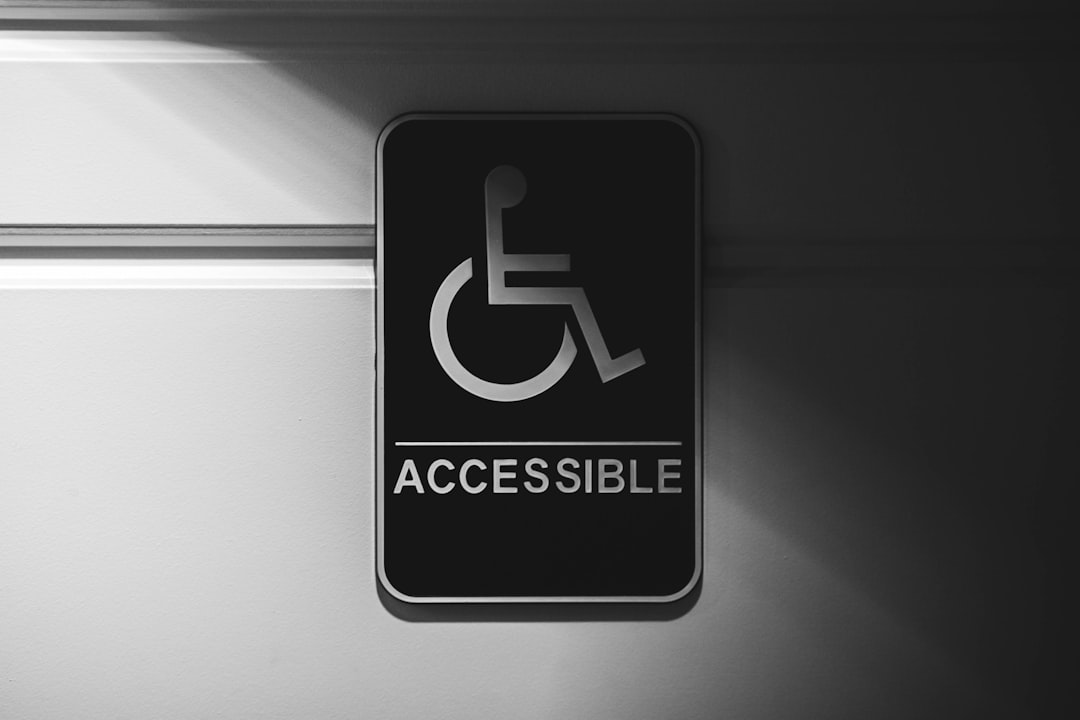
We all want the internet to be a welcoming place. And with web accessibility widgets and plugins, it can be! Whether you’re running a small blog or a big e-commerce store, it’s never too late to start improving access.
Remember: Accessibility isn’t a feature—it’s a basic right. And with the tools above, offering that right has never been easier… or more fun!
Now, go forth and build a better web!