
As cloud-native architectures continue to evolve, organizations increasingly rely on robust observability platforms to monitor performance, manage logs, and detect incidents in real time. While Datadog remains a popular choice for cloud monitoring and observability, it may not suit every budget, infrastructure, or technical requirement. Companies often explore alternatives that offer specialized capabilities, flexible pricing, open-source support, or improved customization.
TLDR: Datadog is a powerful observability platform, but it is not the only option available. Several alternatives provide competitive cloud monitoring, logging, and APM features, often at lower cost or with greater customization. Open-source and enterprise-grade tools alike can meet modern DevOps needs. The right choice depends on infrastructure complexity, budget, scalability goals, and compliance requirements.
This article explores leading Datadog alternatives for cloud monitoring, logging, and observability, compares their features, and discusses when organizations might choose one over another.
Why Consider Datadog Alternatives?
Although Datadog is comprehensive, companies often consider alternatives for several reasons:
- Cost concerns: Pricing scales quickly with usage, especially for logs and custom metrics.
- Vendor lock-in: Some teams prefer open ecosystems or self-hosted solutions.
- Specific compliance needs: Certain industries require tighter control over deployment.
- Feature specialization: Some platforms excel in logging, others in APM or infrastructure metrics.
- Simpler user experience: Smaller teams may want streamlined alternatives.
Selecting an observability solution depends heavily on environment complexity, team expertise, and growth projections.
Top Datadog Alternatives
1. New Relic
New Relic is one of the most established observability platforms and a direct competitor to Datadog. It offers full-stack observability, including infrastructure monitoring, APM, logging, and synthetic monitoring.
- Unified data platform
- Powerful customizable dashboards
- Generous free tier
- Strong Kubernetes visibility
Organizations that need enterprise-grade monitoring with transparent user-based pricing often consider New Relic a top alternative.

2. Prometheus + Grafana
Prometheus, combined with Grafana, represents a popular open-source stack. Prometheus collects metrics, while Grafana provides advanced visualization and dashboards.
- Open-source and highly customizable
- Ideal for Kubernetes environments
- Strong community support
- No licensing costs (in self-hosted setups)
This stack is ideal for organizations with in-house DevOps expertise who prefer flexible, self-managed monitoring systems over SaaS-based tools.
3. Splunk Observability Cloud
Splunk, known for log management and analytics, provides a powerful observability platform that includes infrastructure monitoring, APM, and real-time analytics.
- Advanced log indexing
- Real-time analytics engine
- Strong machine learning features
- Enterprise-level security
Companies dealing with high log volumes and compliance-heavy environments often find Splunk particularly appealing.
4. Dynatrace
Dynatrace focuses strongly on AI-driven observability and application performance management. Its automated root-cause analysis capabilities differentiate it from many competitors.
- Automatic dependency mapping
- AI-powered anomaly detection
- Cloud-native and hybrid support
- Detailed performance tracing
Large enterprises with complex hybrid environments frequently select Dynatrace for its automation and deep analytics.
5. Elastic Observability
Built on the Elastic Stack (ELK), Elastic Observability delivers logging, metrics, APM, and security capabilities within one unified platform.
- Strong log management foundation
- Flexible deployment options
- Powerful search capabilities
- Open-source core components
Organizations already using Elasticsearch for search or security analytics often prefer Elastic as a natural extension to observability.
6. Sumo Logic
Sumo Logic is a cloud-native platform specializing in continuous intelligence powered by log analytics and monitoring.
- Cloud-first architecture
- Advanced log analytics
- Security and compliance integrations
- Machine learning-powered alerts
Mid-sized companies looking for a SaaS-first experience without heavy infrastructure management may benefit from Sumo Logic.
7. LogicMonitor
LogicMonitor focuses heavily on infrastructure monitoring, particularly hybrid infrastructures spanning on-premises and cloud environments.
- Automated device discovery
- Strong hybrid monitoring
- Customizable alerts
- SaaS deployment model
This solution works well for IT operations teams managing both traditional servers and modern cloud workloads.
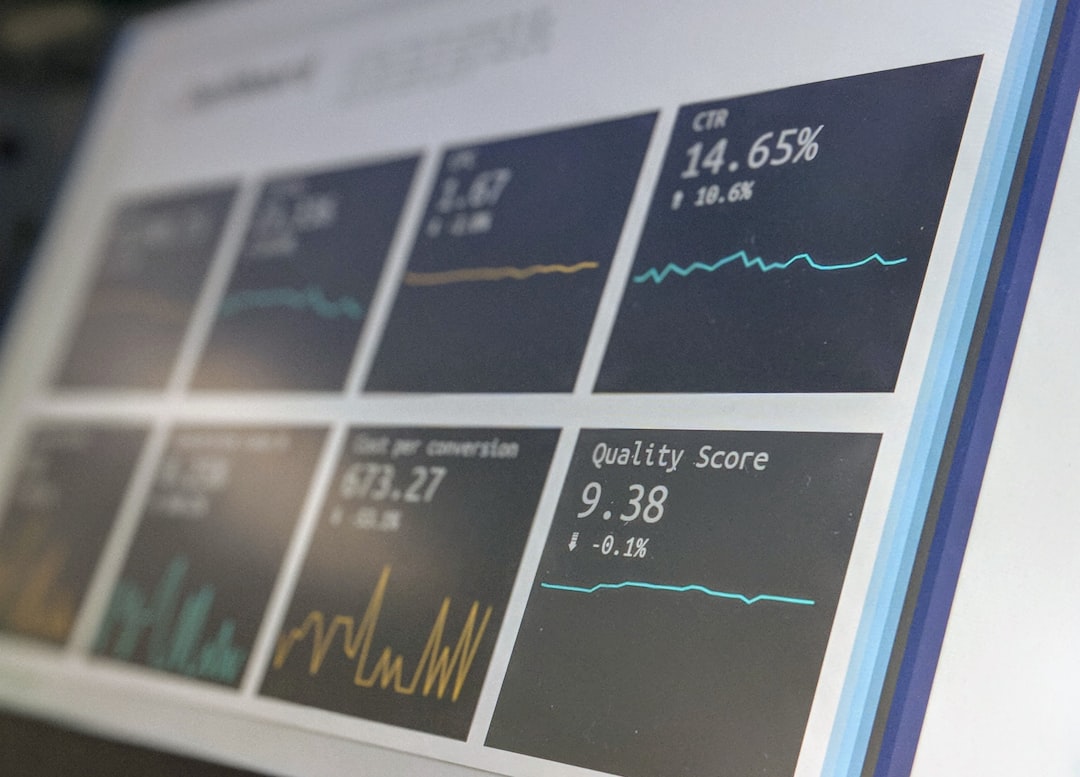
Comparison Chart of Datadog Alternatives
| Tool | Deployment Model | Best For | Open Source | AI/Automation |
|---|---|---|---|---|
| New Relic | SaaS | Full-stack observability | No | Moderate |
| Prometheus + Grafana | Self-hosted / Cloud | Kubernetes monitoring | Yes | Limited |
| Splunk | SaaS / Enterprise | Log-heavy enterprises | Partial | Advanced |
| Dynatrace | SaaS / Managed | AI-driven APM | No | Strong |
| Elastic Observability | Self-hosted / SaaS | Search-based logging | Core components | Moderate |
| Sumo Logic | SaaS | Cloud-native environments | No | Moderate |
| LogicMonitor | SaaS | Hybrid infrastructure | No | Moderate |
Key Features to Evaluate in Alternatives
When selecting a Datadog alternative, organizations should assess several essential criteria:
- Scalability: Can the platform grow with usage?
- Cost structure: Is pricing predictable?
- Integration ecosystem: Does it integrate with CI/CD, Kubernetes, cloud providers, and messaging tools?
- Ease of deployment: How quickly can teams onboard?
- Data retention policies: Are storage options flexible?
- Security and compliance: Does the tool meet regulatory requirements?
In addition, some teams prioritize synthetic monitoring, real user monitoring, or distributed tracing as deciding factors.
Open-Source vs. SaaS Observability
One of the most significant decisions involves choosing between open-source and fully managed SaaS solutions.
Open-source advantages:
- Lower direct licensing costs
- Full customization control
- Flexible infrastructure deployment
SaaS advantages:
- Minimal infrastructure management
- Faster implementation
- Built-in scaling
- Vendor-managed updates
Early-stage startups often prefer SaaS for speed, while technically mature organizations may opt for open-source stacks for flexibility and cost optimization at scale.
Choosing the Right Alternative
No single platform universally replaces Datadog in every scenario. Instead, decision-makers must align the observability solution with organizational objectives. Enterprises with complex microservices architectures and AI-driven monitoring needs may lean toward Dynatrace. Cost-sensitive teams with strong DevOps capabilities might prefer Prometheus and Grafana. Log-intensive industries such as finance or healthcare may prioritize Splunk or Elastic.
A careful pilot implementation is usually the best approach before committing fully.
FAQ
- What is the best free alternative to Datadog?
Prometheus combined with Grafana is widely considered the best free and open-source alternative. New Relic also offers a competitive free tier with generous limits. - Which Datadog alternative is best for Kubernetes?
Prometheus, Grafana, and Dynatrace offer particularly strong Kubernetes monitoring capabilities, with Prometheus being especially popular in cloud-native environments. - Are open-source monitoring tools reliable for enterprise use?
Yes, many enterprises use open-source tools successfully. However, they require in-house expertise and maintenance resources. - Which tool is best for log-heavy environments?
Splunk and Elastic Observability are highly regarded for managing large volumes of logs with advanced search and analysis features. - Is Dynatrace better than Datadog?
Dynatrace excels in AI-driven automation and root-cause analysis, but whether it is “better” depends on specific organizational needs and budget. - How important is AI in observability tools?
AI-driven anomaly detection and root-cause analysis significantly reduce manual troubleshooting time, making it increasingly valuable in complex environments.
Ultimately, the observability market offers a rich ecosystem of alternatives tailored to diverse organizational needs. By evaluating scalability, pricing, deployment flexibility, and automation capabilities, businesses can select a platform that ensures visibility, reliability, and performance in modern cloud environments.