
Modern software systems are complex, distributed, and constantly evolving. As applications scale across microservices, cloud platforms, and multiple user devices, gaining deep visibility into runtime errors and performance issues becomes mission-critical. While Sentry is a well-known solution for error tracking, many organizations seek alternatives due to pricing, data governance, scalability requirements, or the need for broader observability capabilities. Evaluating the right error tracking and application monitoring platform requires a careful look at features, integrations, performance insights, and long-term operational fit.
TLDR: There are several strong alternatives to Sentry that offer robust error tracking and application monitoring capabilities. Tools like Datadog, New Relic, Rollbar, Raygun, Bugsnag, and Honeybadger provide varying strengths in observability, performance monitoring, and scalability. The right choice depends on your architecture, compliance requirements, budget, and desired depth of insights. Organizations should prioritize platforms that unify error tracking with performance metrics and distributed tracing.
Why Consider Alternatives to Sentry?
Although Sentry excels at error aggregation and stack trace visibility, some teams outgrow its capabilities or require specialized features such as:
- Full-stack observability across infrastructure, logs, and metrics.
- Advanced distributed tracing for microservices architectures.
- Flexible data residency and compliance controls.
- Customizable pricing models aligned with event volume.
- Self-hosted or hybrid deployment options.
Additionally, enterprise teams often seek consolidated platforms that combine error tracking with performance monitoring, log analysis, and infrastructure metrics into a single observability solution.
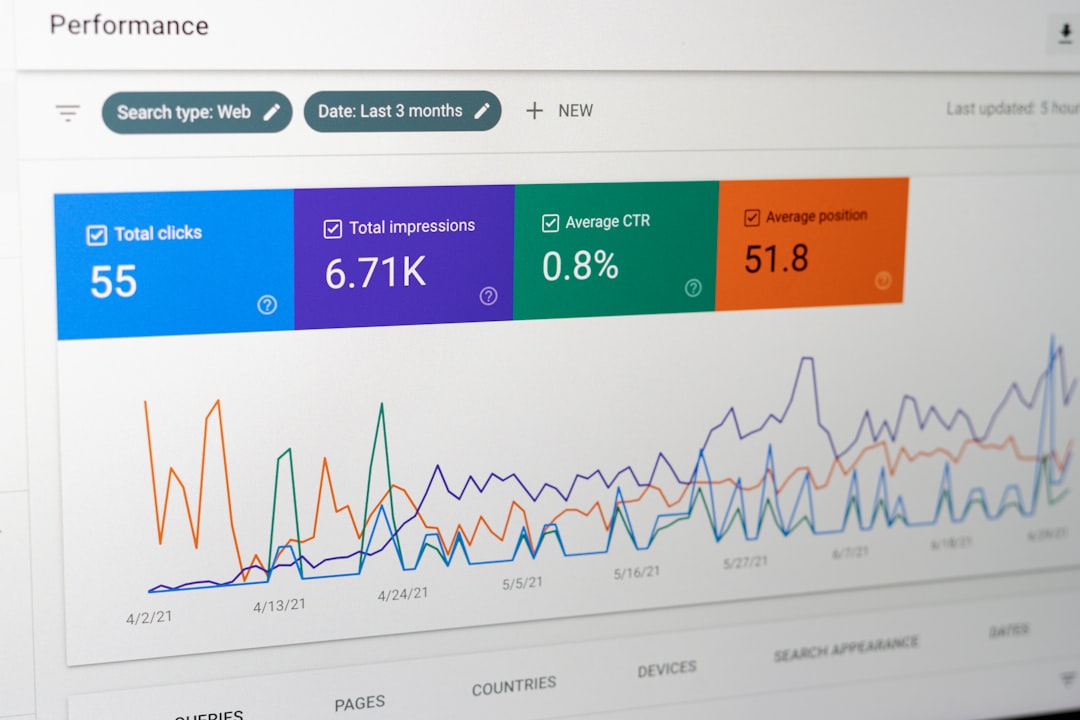
Key Features to Look for in an Error Tracking Platform
Before selecting an alternative, define clear evaluation criteria. The best platforms typically include:
- Real-time error reporting with complete stack traces.
- Release tracking and regression detection.
- User impact visibility to measure affected sessions.
- Performance monitoring and APM integrations.
- Alerting and escalation workflows.
- Broad language and framework support.
With these criteria in mind, the following tools represent strong and credible alternatives to Sentry.
1. Datadog
Datadog is a comprehensive observability platform combining infrastructure monitoring, application performance monitoring (APM), log management, and error tracking. It is particularly well-suited for cloud-native and containerized environments.
Strengths:
- Unified observability across services, containers, and cloud platforms.
- Powerful distributed tracing capabilities.
- Advanced analytics and customizable dashboards.
- AI-driven anomaly detection.
Considerations:
- Pricing can increase significantly with scale.
- Steeper learning curve for smaller teams.
For organizations seeking an integrated monitoring ecosystem rather than standalone error tracking, Datadog is often a top-tier alternative.
2. New Relic
New Relic provides full-stack observability with strong APM features, real-time error analytics, and deep infrastructure monitoring. Its modern platform integrates logs, metrics, events, and traces.
Strengths:
- Detailed transaction tracing.
- Unified telemetry data model.
- Transparent, usage-based pricing tiers.
- Strong support for enterprise environments.
Considerations:
- Complex configuration for advanced use cases.
- May offer more features than small teams require.
New Relic is particularly valuable for large-scale systems where performance bottlenecks and system-level insights matter as much as application errors.
3. Rollbar
Rollbar is a focused and developer-centric error monitoring tool. It emphasizes real-time error grouping, rapid triage, and workflow automation.
Strengths:
- Intelligent error grouping and fingerprinting.
- Lightweight and quick integration.
- Strong CI/CD pipeline integration.
- Clear UI optimized for debugging.
Considerations:
- Less infrastructure-level observability compared to Datadog or New Relic.
- Limited advanced tracing features.
If your priority is rapid debugging and streamlined workflows for developers, Rollbar offers a clean and practical alternative.
4. Raygun
Raygun combines error monitoring with real user monitoring (RUM) and performance insights. Its user-centric analytics help teams understand how errors impact real customer experiences.
Strengths:
- User session tracking.
- Performance monitoring for web and mobile apps.
- Clear visualization of user impact.
- Developer-friendly integrations.
Considerations:
- Smaller ecosystem than enterprise giants.
- Fewer infrastructure monitoring features.
Raygun stands out when improving user experience is the primary focus rather than infrastructure analytics.

5. Bugsnag
Bugsnag focuses on stability monitoring with an emphasis on application health. It helps teams prioritize errors based on user impact and release stability.
Strengths:
- Stability score for releases.
- Strong mobile platform support.
- Detailed diagnostic data.
- Easy integration with DevOps tools.
Considerations:
- Less comprehensive infrastructure monitoring.
- Pricing scales with event volume.
Bugsnag is particularly suitable for product-driven teams focused on maintaining high-quality releases across web and mobile platforms.
6. Honeybadger
Honeybadger offers error tracking, uptime monitoring, and cron job monitoring in a simple package. It appeals to startups and small-to-midsize businesses seeking reliability without excessive complexity.
Strengths:
- Straightforward pricing model.
- Quick implementation.
- Uptime and error tracking combined.
- Excellent Ruby and JavaScript support.
Considerations:
- Limited advanced observability features.
- Not designed for highly distributed enterprise systems.
Honeybadger’s simplicity makes it attractive for teams that want actionable alerts without managing a complex monitoring stack.
Comparison Chart
| Tool | Primary Focus | APM & Tracing | Best For | Deployment Options |
|---|---|---|---|---|
| Datadog | Full Observability | Advanced | Cloud native enterprises | Cloud based |
| New Relic | APM & Observability | Advanced | Large scale systems | Cloud based |
| Rollbar | Error Tracking | Basic | Developer centric teams | Cloud based |
| Raygun | Error & User Monitoring | Moderate | User focused products | Cloud based |
| Bugsnag | Stability Monitoring | Moderate | Web and mobile apps | Cloud based |
| Honeybadger | Error & Uptime | Limited | Startups and SMBs | Cloud based |
Strategic Considerations When Choosing a Platform
Selecting the right alternative involves more than comparing feature lists. Organizations should consider:
- Scalability: Can the platform handle increased event volume as your product grows?
- Latency: Does real-time alerting meet your operational response goals?
- Security and compliance: Does it meet SOC 2, GDPR, or HIPAA requirements?
- Data ownership: Are retention policies aligned with governance standards?
- Integration ecosystem: Does it fit within your CI/CD and DevOps toolchain?
For modern DevOps teams, integration with tools like Slack, Jira, GitHub, Kubernetes, and cloud providers is particularly critical.
Image not found in postmetaThe Rise of Unified Observability Platforms
In recent years, the industry has shifted from standalone error tracking tools toward unified observability platforms. These systems correlate:
- Logs
- Metrics
- Traces
- Errors
This convergence enables teams to move beyond simply identifying that an error occurred to understanding why it happened, what infrastructure component contributed, and how it affected user experience.
As distributed systems become standard, error tracking alone is insufficient. Platforms that combine application monitoring with infrastructure insight shorten mean time to resolution (MTTR) and reduce operational risk.
Final Thoughts
Sentry remains a respected solution in the error tracking space, but it is far from the only capable option. Datadog and New Relic offer enterprise-grade observability ecosystems. Rollbar and Bugsnag excel in developer-focused error management. Raygun bridges performance insights with user experience analytics. Honeybadger delivers simplicity and reliability for smaller teams.
The optimal choice depends on practical realities: system architecture, team size, compliance demands, and long-term scaling plans. Organizations should conduct controlled evaluations, test alert workflows, and validate integration depth before committing to a platform.
In a landscape where application downtime directly affects revenue, reputation, and customer trust, investing in a robust error tracking and monitoring strategy is not optional. Choosing the right alternative to Sentry can strengthen operational resilience, accelerate incident response, and provide the observability foundation necessary for sustained software reliability.