Podcasting in 2026 is both easier to enter and harder to stand out in. The tools are cheaper, remote recording is smoother, AI can speed up editing, and audiences are more comfortable than ever listening to niche shows. But because listeners have so many choices, starting a podcast now requires more than buying a microphone and pressing record. You need a clear concept, reliable equipment, a repeatable production system, and a strategy for helping the right people discover your show.
TLDR: To start a podcast in 2026, begin with a focused idea, a specific audience, and a simple publishing plan before spending heavily on gear. A good USB or XLR microphone, closed-back headphones, quiet recording space, and user-friendly editing software are enough for most beginners. Use AI tools carefully to assist with transcripts, clips, and show notes, but keep your voice and point of view human. Growth comes from consistency, strong episode titles, short video clips, guest collaboration, and building a community around the show.
Start With the Podcast Strategy, Not the Microphone
The biggest mistake new podcasters make is treating equipment as the first step. Good audio matters, but a beautifully recorded show with a vague concept will still struggle. Before choosing a microphone, answer three questions: Who is this show for? What problem, curiosity, or desire does it serve? Why should someone listen to you instead of another show?
In 2026, the strongest podcasts are usually specific. Instead of “a business podcast,” consider “a weekly show for solo consultants learning how to package their expertise.” Instead of “a movie podcast,” consider “a rewatch podcast about forgotten science fiction films from the 1990s.” Specificity makes your show easier to recommend, easier to market, and easier for listeners to identify with.
Write a one-sentence positioning statement before recording anything. For example: “This podcast helps first-time founders understand the messy middle of building a startup through honest interviews and practical breakdowns.” That sentence becomes your filter for episode topics, guests, titles, and promotion.

Choose a Format You Can Sustain
Your format should fit your personality, schedule, and resources. A daily interview show may sound exciting, but it can quickly become impossible if you have a full-time job. Consistency matters more than ambition. A show you can publish every two weeks for two years is better than a show you publish weekly for one month.
Common podcast formats include:
- Solo commentary: Best for educators, creators, consultants, and opinion-led brands. It is efficient, but requires preparation and confidence.
- Interview show: Great for networking and variety. It requires guest outreach, scheduling, and strong listening skills.
- Co-hosted conversation: Natural and engaging when chemistry is strong. It depends on dependable collaboration.
- Narrative or documentary: Highly polished and memorable, but more time-consuming to research, script, edit, and produce.
- Hybrid video podcast: Increasingly popular in 2026 because clips can be distributed across video platforms and social feeds.
If you are unsure, start with a simple format: one host, one guest, 30 to 45 minutes, published weekly or biweekly. This gives you structure without overwhelming your workflow.
Essential Podcast Equipment in 2026
You do not need a professional studio to sound professional. You need a clean signal, a quiet room, and consistent recording habits. The following setup is enough for most new podcasters:
- Microphone: A dynamic microphone is usually best because it rejects background noise better than many condenser microphones. Beginners can use a quality USB microphone, while creators planning to upgrade may prefer an XLR microphone.
- Headphones: Use closed-back headphones to prevent audio bleed and monitor your sound while recording.
- Mic stand or boom arm: This keeps the microphone stable and positioned correctly, which improves sound quality immediately.
- Pop filter or windscreen: This reduces harsh “p” and “b” sounds that can distract listeners.
- Audio interface: Needed for XLR microphones. It converts your microphone signal into digital audio your computer can record.
- Recording software: Choose software that records local audio, supports remote guests, and exports high-quality files.
For many beginners, a USB microphone plus headphones is the smartest starting point. If your podcast grows and you want more control, upgrade to an XLR setup. Do not buy complicated gear before you understand your actual needs.
USB vs. XLR Microphones
A USB microphone plugs directly into your computer and is simple to use. It is ideal for solo hosts, remote interviews, and beginners who want fewer technical barriers. Many USB microphones in 2026 offer excellent sound, built-in gain control, and compatibility with major recording apps.
An XLR microphone connects through an audio interface or mixer. This setup provides more flexibility, better upgrade options, and often a more broadcast-style sound. It is ideal if you plan to record multiple people in the same room or want a more professional studio workflow.
The practical advice is simple: start with USB if simplicity matters most; choose XLR if you are committed to podcasting long term and enjoy controlling the technical details.
Your Recording Space Matters More Than Expensive Gear
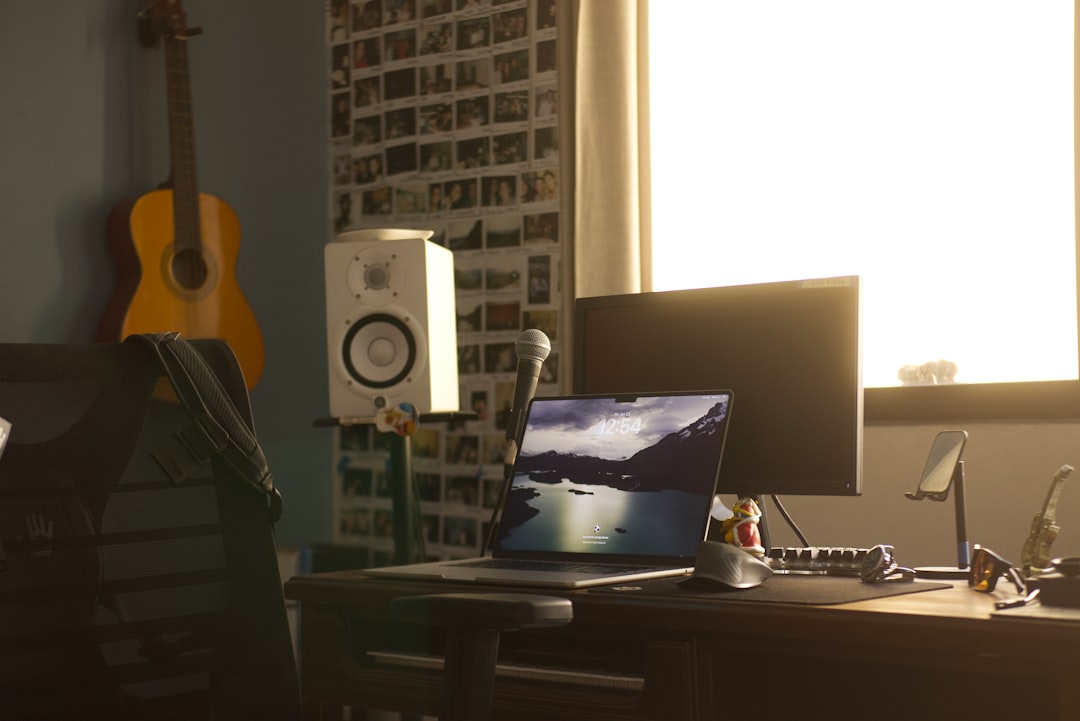
A $400 microphone in a bright, echo-filled kitchen can sound worse than a $100 microphone in a quiet, treated room. Sound reflects off hard surfaces like glass, tile, and bare walls. To improve your recording environment, choose a small room with soft furnishings, curtains, rugs, bookshelves, or fabric panels.
You do not need to cover every wall with foam. In fact, many beginners overuse cheap foam and still have poor sound. Focus on reducing echo around your microphone. Record away from windows, turn off fans and loud appliances, and silence phone notifications. If you are recording at home, let others know when you are recording to avoid interruptions.
Recording and Editing Software
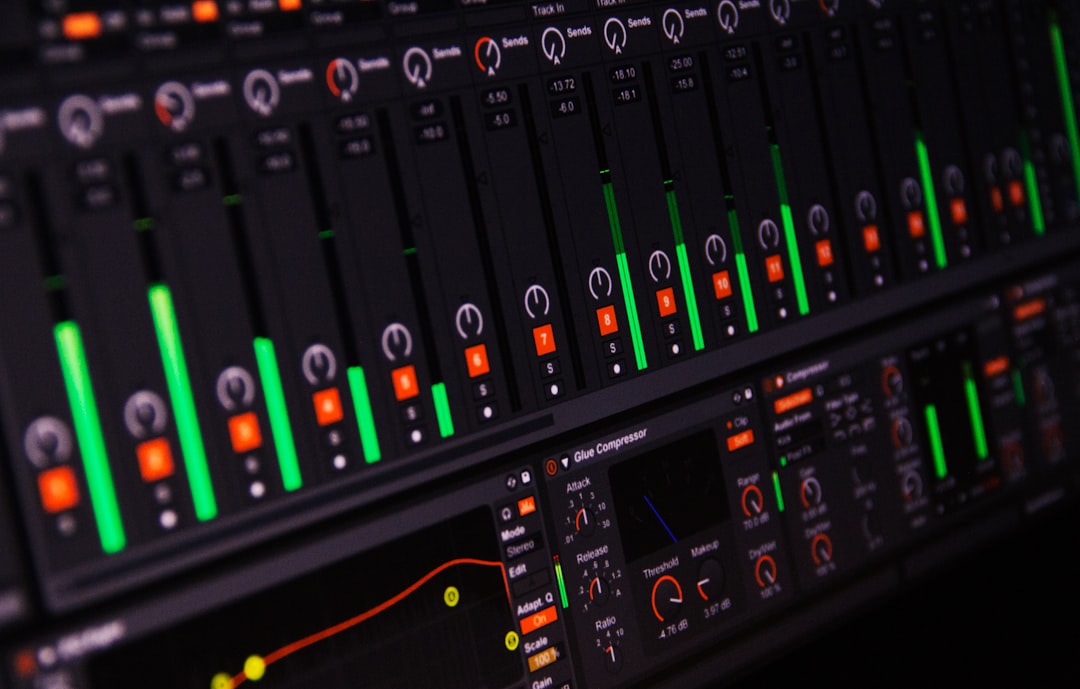
Podcast software has improved dramatically. In 2026, many platforms combine recording, editing, transcription, noise reduction, and clip creation in one place. When choosing software, look for these features:
- Local recording: Each speaker’s audio is recorded on their own device, reducing internet-related glitches.
- Separate tracks: Separate host and guest tracks make editing easier.
- Automatic backup: Cloud backups protect you from losing recordings.
- AI transcription: Transcripts help with editing, accessibility, show notes, and search visibility.
- Video support: Even if you launch audio-first, video clips are useful for promotion.
Popular editing styles vary. Some podcasters remove every pause and filler word, while others prefer a natural conversational rhythm. The best editing is invisible: it removes distractions without making people sound robotic.
How AI Fits Into Podcasting in 2026
AI is now part of the podcast workflow, but it should be an assistant, not the host of your creative identity. Use it to speed up repetitive tasks: generating transcripts, identifying highlight moments, drafting show notes, creating social captions, cleaning background noise, and organizing research.
However, be careful with over-automation. Listeners are increasingly sensitive to generic content. If your summaries, titles, and scripts sound like everyone else’s, your show becomes forgettable. Use AI to support your process, then add your personal perspective, stories, humor, and judgment.
If you use AI-generated voices, synthetic music, or heavily altered audio, be transparent. Trust is a major advantage in modern podcasting, and audiences appreciate honesty.
Create a Repeatable Episode Workflow
A podcast becomes much easier when you have a system. Treat each episode like a small production cycle rather than a creative emergency.
- Research: Choose a topic or guest and collect key points, stories, and questions.
- Outline: Prepare a flexible structure, not a rigid script, unless your format requires scripting.
- Record: Check microphone levels, record a short test, and keep water nearby.
- Edit: Remove major mistakes, long silences, repeated sections, and distracting noises.
- Package: Write a compelling title, description, transcript, and episode artwork if needed.
- Publish: Upload to your podcast host and distribute to listening platforms.
- Promote: Share clips, quotes, emails, posts, and guest assets.
Batching helps. For example, record two interviews in one week, edit the next week, and schedule releases in advance. This protects your consistency when life gets busy.
Branding, Titles, and First Impressions
Your podcast name, cover art, intro, and episode titles all influence whether someone presses play. A strong podcast name is clear, memorable, and easy to say out loud. Avoid names that are too clever to understand or too similar to existing shows.
Episode titles should promise a clear benefit or spark curiosity. “Episode 12 with Jane Smith” is less compelling than “How Jane Smith Built a Profitable Newsletter in 18 Months.” Listeners browse quickly, so your title has to communicate value fast.
Your intro should also be brief. A long musical opening may feel professional to you, but new listeners often want the content quickly. In most cases, introduce the show, the guest or topic, and the reason to keep listening within the first minute.
Distribution and Hosting
To publish a podcast, you need a podcast hosting platform. The host stores your audio files and generates an RSS feed, which allows your show to appear on platforms like Apple Podcasts, Spotify, YouTube Music, Amazon Music, and other podcast apps.
In 2026, many hosts also provide analytics, dynamic ad insertion, websites, transcripts, and monetization options. Choose a host that offers reliable distribution, clear analytics, and enough storage for your publishing schedule.
If you are doing video, consider publishing full episodes on video platforms as well as audio directories. Video does not have to be cinematic. A clean webcam or camera angle, good lighting, and clear audio are often enough. For discovery, short vertical clips may matter more than the full video episode.
Launch With More Than One Episode
Launching with three episodes is often a smart move. It gives new listeners enough material to understand your style and decide whether to follow. Your first episode can introduce the show’s promise, your background, and what listeners can expect. The next two episodes should deliver real value immediately.
Before launch, prepare your basic assets: show description, cover art, trailer, short bio, social media profiles, guest outreach template, and a list of initial promotional channels. Ask friends, colleagues, newsletter subscribers, or community members to listen and share honest feedback.
Promotion: How Podcasts Grow in 2026
Most podcasts do not grow just because they are published. Growth comes from repeated exposure in places where your ideal listeners already spend time.
Effective promotion tactics include:
- Short clips: Turn strong moments into vertical videos for social platforms.
- Guest collaboration: Give guests ready-to-share clips, quotes, and links.
- Email newsletters: Send episodes directly to people who already trust you.
- Search-friendly titles: Use terms your audience might actually search for.
- Community participation: Share helpful insights in relevant groups without spamming.
- Cross-promotion: Partner with similar shows that serve overlapping audiences.
Do not chase every platform at once. Pick two or three promotion channels and use them consistently. Measure what brings listeners, then double down.
Monetization Comes After Trust
It is possible to make money from a podcast through sponsorships, listener support, premium episodes, affiliate partnerships, live events, courses, consulting, or selling your own products. But monetization works best after you have earned attention and trust.
A small, loyal audience can be more valuable than a large, passive one. If 500 niche listeners are exactly the people a sponsor or business wants to reach, your show may have real commercial value. Focus first on quality, consistency, and audience relationship. Revenue follows relevance.
Track the Right Metrics
Downloads matter, but they are not the only measure of success. Track completion rate, follower growth, returning listeners, clip performance, email replies, reviews, guest referrals, and conversions to your business goals. A podcast created to support a consulting business should not be judged only by download numbers; it should be judged by trust, leads, and authority.
Review your performance every month. Which topics performed best? Which titles attracted attention? Which guests shared the episode? Which clips generated conversation? Use the data, but do not become a slave to it. Some of your best long-term episodes may grow slowly.
Final Thoughts
Starting a podcast in 2026 is not about having the fanciest studio or the most complex production stack. It is about creating a show with a clear purpose, useful or entertaining episodes, and a workflow you can repeat. Begin with a focused audience, buy only the equipment you need, improve your recording space, and publish consistently.
The opportunity is still enormous for creators who bring curiosity, discipline, and a distinct point of view. People do not subscribe to microphones, editing software, or algorithms. They subscribe to voices they trust, ideas they value, and conversations that make their day better. If you can deliver that regularly, your podcast has a real chance to grow.