Your B2B SaaS product is not an island. It lives in a busy world of sales teams, customer success teams, support tickets, invoices, renewals, and very full calendars. Salesforce often sits in the middle of that world. So, when your product connects with Salesforce, things can get much easier, faster, and smarter.
TLDR: Salesforce integration helps B2B SaaS products share data with sales, support, and customer success teams. It cuts manual work, improves customer visibility, and helps teams act faster. It can also make your product more valuable because it fits into the tools companies already use.
Salesforce Integration, in Plain English
Salesforce integration means your SaaS product can talk to Salesforce.
Not with words, sadly. No tiny robot voice. But with data.
Your product can send information to Salesforce. Salesforce can send information back. This may include customer details, usage data, subscription status, support activity, product events, and sales notes.
Think of it like a bridge. On one side, you have your SaaS product. On the other side, you have Salesforce. The bridge lets data walk across safely, instead of making people carry it by hand.
And yes, people are tired of carrying data by hand.
1. Less Manual Work for Everyone
Manual data entry is the office version of stepping on a Lego.
It hurts. It slows people down. Nobody enjoys it.
Without integration, teams may copy data from your SaaS product into Salesforce. Then they may copy data from Salesforce into your product. This creates wasted time. It also creates mistakes.
With Salesforce integration, much of this work happens automatically.
- New customers can appear in Salesforce.
- Product usage can update account records.
- Subscription changes can sync with sales teams.
- Support activity can be linked to the right account.
This saves hours. It also saves patience. That matters more than most dashboards admit.
2. A Better View of the Customer
B2B customers are complex.
One company may have many users. Many teams. Many locations. Many decision makers. A small note in one system can be very important in another.
Salesforce integration helps bring the customer story together.
Sales can see product usage. Customer success can see deal details. Support can see account status. Leadership can see health trends.
Everyone gets a clearer picture.
This is powerful because teams stop guessing. They can see what is happening. They can see who is active. They can see who is slipping away. They can see who may be ready to expand.
Good data is like a flashlight. It helps teams avoid bumping into furniture in the dark.
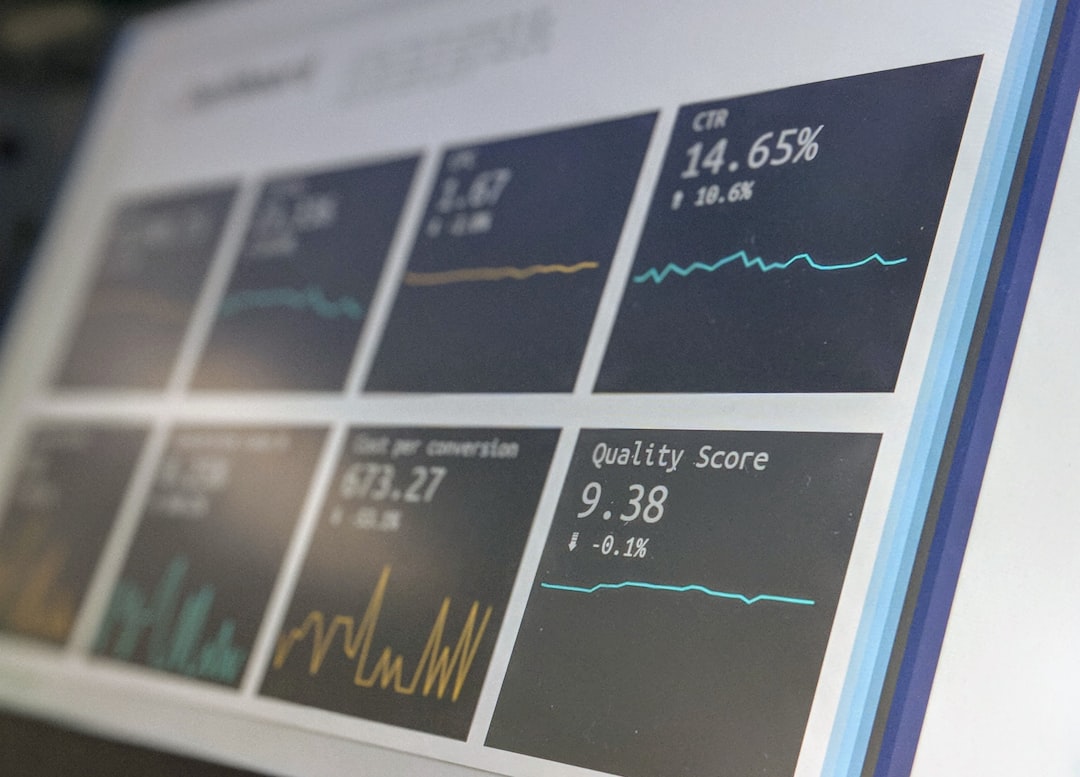
3. Faster Sales Cycles
Sales teams love speed.
Not messy speed. Smart speed.
When your SaaS product is integrated with Salesforce, sales reps can get the right data at the right time. They do not need to chase product managers. They do not need to search through five screens. They do not need to ask, “Hey, is this customer using the thing?”
The answer can be right in Salesforce.
For example, a sales rep may see that a free trial user invited ten teammates. That is a buying signal. Or they may see that a current customer uses a feature every day. That may signal an upsell opportunity.
These signals help sales teams act faster.
They can send better emails. They can make better calls. They can focus on accounts that are actually interested.
That means fewer awkward “just checking in” messages. The internet thanks you.
4. Better Customer Success
Customer success teams need context.
They need to know who the customer is. They need to know what the customer bought. They need to know how the customer uses the product. They also need to know if something feels off.
Salesforce integration gives them that context.
A customer success manager can see product use, plan type, renewal date, account owner, open issues, and past conversations. This helps them prepare for calls. It also helps them spot risk early.
For example, if a customer stops using a key feature, Salesforce can show that drop. The customer success team can reach out before the renewal is in danger.
This feels helpful to the customer. Not random. Not pushy. Helpful.
And helpful teams win trust.
5. Stronger Retention and Lower Churn
Churn is the monster under the SaaS bed.
Every SaaS company wants to reduce it. Salesforce integration can help.
When usage data, support data, and account data live together, teams can see warning signs sooner. Maybe logins are falling. Maybe support tickets are rising. Maybe the renewal date is close and the champion has gone quiet.
One signal may not mean much. But together, signals tell a story.
With Salesforce integration, teams can build health scores. They can create alerts. They can trigger playbooks. They can take action before the customer disappears into the fog.
Retention is not magic. It is often timing, care, and good information.
6. Smarter Upsells and Cross-Sells
Upselling should not feel like a surprise party nobody wanted.
It should feel natural.
Salesforce integration helps teams find the right time to suggest more value. If a customer is using your product heavily, they may need a higher plan. If they keep using one feature, they may benefit from a related add-on. If they invite more users, they may need more seats.
These clues are easier to notice when product data is visible in Salesforce.
This leads to better offers. Better timing. Better conversations.
The result is simple. Customers get what they need. Your company grows. Nobody has to guess like they are reading tea leaves.

7. Cleaner Data and Fewer Mistakes
Bad data is sneaky.
It starts small. A wrong email here. A missing company name there. A duplicate account. A stale renewal date. Then suddenly, reports look strange and people stop trusting them.
Salesforce integration can reduce this problem.
When systems sync automatically, data can stay more consistent. Updates happen in the background. Teams are less likely to enter the same information twice. They are also less likely to enter it two different ways.
This does not mean data will be perfect forever. Sorry. Data still needs care. But integration gives you a much better starting point.
Clean data makes reporting better. It makes automation better. It makes decision making better.
It also makes meetings shorter. That alone is a huge win.
8. Better Product Feedback Loops
Product teams need feedback.
But not all feedback arrives in neat forms with friendly labels.
Some feedback comes from sales calls. Some comes from support tickets. Some comes from customer success notes. Some comes from usage patterns inside the product.
When your SaaS product integrates with Salesforce, product teams can connect these dots.
They can see which features help deals close. They can see which features reduce churn. They can see which requests come from high-value accounts. They can see which missing features block expansion.
This helps product teams build with more confidence.
Instead of guessing what customers want, they can study real data. They can balance customer requests with business goals. They can avoid chasing every shiny idea that runs across the road.
9. Easier Onboarding for New Customers
Onboarding sets the tone.
If onboarding feels smooth, customers feel confident. If it feels messy, customers get nervous.
Salesforce integration can make onboarding smoother.
When a deal closes in Salesforce, your SaaS product can receive key customer details. The onboarding team can know the plan, goals, contacts, timeline, and promised features. They can start with context instead of a blank page.
This helps customers feel seen.
It also reduces repeat questions. Nobody likes telling five different people the same thing. It feels like being trapped in a very boring time loop.
With integration, teams can pass the baton cleanly from sales to onboarding to customer success.
10. More Useful Automation
Automation is great when it helps.
It is less great when it sends a “Welcome!” email to a customer who joined six months ago.
Salesforce integration helps automation become smarter because it uses better data.
You can trigger actions based on real events. For example:
- Send a task to sales when a trial reaches high usage.
- Create a success alert when usage drops.
- Notify support when a high-value account opens a ticket.
- Update renewal workflows when subscription details change.
- Launch onboarding steps when a deal is marked closed won.
These workflows save time. They also help teams respond at the right moment.
That is the sweet spot. Less busywork. More useful action.
11. A Better Experience for Enterprise Buyers
B2B buyers often care about integrations.
Especially enterprise buyers.
They already use Salesforce. Their teams live there. Their processes depend on it. If your product connects well with Salesforce, your product feels easier to adopt.
This can make your SaaS product more attractive.
It reduces friction. It lowers switching concerns. It helps buyers imagine your product inside their current workflow.
That matters during sales conversations.
A strong Salesforce integration can be more than a feature. It can be a sales advantage.
It says, “We fit into your world.”
That is a comforting thing for a buyer to hear.

12. Better Reporting for Leaders
Leaders need answers.
They ask questions like:
- Which customers are most engaged?
- Which accounts may churn?
- Which features help revenue grow?
- Which segments have the best retention?
- Which sales activities lead to long-term customers?
Salesforce integration helps answer these questions.
It connects revenue data with product data. That is a big deal. It means leaders can look beyond basic sales numbers. They can understand what happens after the deal closes.
This helps with planning. It helps with forecasting. It helps with product strategy. It helps with hiring. It helps with customer programs.
Better reports lead to better choices. Better choices lead to better growth.
13. Stronger Alignment Between Teams
Sales, marketing, support, product, and customer success can all have different views of the customer.
Sometimes those views clash.
Sales may think an account is happy. Support may know the account is frustrated. Product may see low usage. Customer success may see renewal risk.
Salesforce integration helps bring these views together.
It creates a shared source of truth. Or at least a much less messy source of truth.
When teams see the same data, they can work together better. They can reduce confusion. They can plan smarter actions. They can avoid stepping on each other’s toes.
That is good for your team. It is even better for your customers.
14. Higher Product Stickiness
A product is sticky when customers keep using it.
Salesforce integration can make your SaaS product stickier.
Why? Because it becomes part of the customer’s daily workflow. Data moves where it needs to go. Teams depend on the connection. Processes form around it.
The product becomes harder to remove because it is not just a tool anymore. It is part of the system.
This is valuable for B2B SaaS companies.
Sticky products often have better retention. They can also have stronger expansion potential. They become habits. And habits are powerful.
15. A More Professional Product Feel
Let’s be honest.
Integrations make SaaS products feel more mature.
When a product integrates with Salesforce, buyers see that it understands business workflows. They see that it can support real teams. They see that it is built for serious use.
This can improve trust.
It can also help smaller SaaS companies compete with larger ones. A strong integration can make your product feel more complete, even if your team is still growing.
That is a nice boost.
What Should You Sync?
Not everything needs to sync.
Please do not sync chaos. Chaos already has enough platforms.
Start with useful data. Common data types include:
- Accounts: Company names, industries, sizes, and regions.
- Contacts: Users, buyers, admins, and champions.
- Deals: Sales stage, plan type, contract value, and close date.
- Usage data: Logins, seats, feature use, and activity levels.
- Support data: Tickets, issue status, and priority.
- Subscription data: Renewals, upgrades, downgrades, and cancellations.
The best data to sync depends on your product and your users. Keep it focused. Keep it clean. Keep it useful.
Final Thoughts
Salesforce integration can be a major win for B2B SaaS products.
It reduces manual work. It improves customer visibility. It helps sales move faster. It helps customer success reduce churn. It gives leaders better reports. It makes your product more valuable to companies that already rely on Salesforce.
Most of all, it helps teams work with better context.
And context is gold.
When people have the right data, they make better moves. They help customers faster. They sell with more confidence. They build better products.
So, if your B2B SaaS product serves companies that use Salesforce, integration is worth serious thought. It is not just a technical feature. It is a business booster. It is a workflow helper. It is a tiny digital bridge that can carry a lot of value.
And unlike manual data entry, it does not complain on Mondays.